Unlike residential property, retail real estate is closely connected to consumer behavior, visibility, accessibility, pedestrian activity, tenant mix, surrounding businesses, and local economic conditions.
A successful retail property is not simply a physical space. Its performance can depend on how effectively the location, building, tenant, customer base, accessibility, and surrounding environment work together.
1. What Is Retail Commercial Real Estate?
Retail commercial real estate includes physical properties used for activities such as:
-
Shops
-
Restaurants
-
Cafés
-
Supermarkets
-
Showrooms
-
Entertainment
-
Personal care
-
Consumer services
-
Specialty retail
-
Convenience businesses
The sector can range from a small neighborhood storefront to a large regional shopping center.
2. Main Types of Retail Property
Retail properties can be divided into several major categories.
High-Street Retail
High-street properties are generally located along prominent commercial streets with strong visibility and pedestrian activity.
Shopping Centers
Shopping centers contain multiple retail businesses within a coordinated development.
Shopping Malls
Malls typically provide a larger collection of retailers, dining facilities, entertainment, and shared infrastructure.
Neighborhood Retail Centers
These are designed around everyday consumer requirements and often serve nearby residential communities.
Standalone Retail
A standalone property is occupied by a single major retailer or commercial operator.
Mixed-Use Retail
Retail spaces can form part of developments that also contain residential, office, hospitality, or entertainment components.
3. High-Street Retail
High-street properties can benefit from:
-
Visibility
-
Pedestrian traffic
-
Road exposure
-
Public transportation
-
Dense surrounding activity
-
Proximity to complementary businesses
However, high visibility does not automatically guarantee strong performance. Retailers must still match the location with their target customer base.
4. Shopping Centers
Shopping centers combine multiple retail businesses in one development.
They may include:
-
Grocery stores
-
Restaurants
-
Fashion outlets
-
Electronics
-
Fitness facilities
-
Personal care
-
Entertainment
The tenant mix is often carefully planned to encourage complementary customer visits.
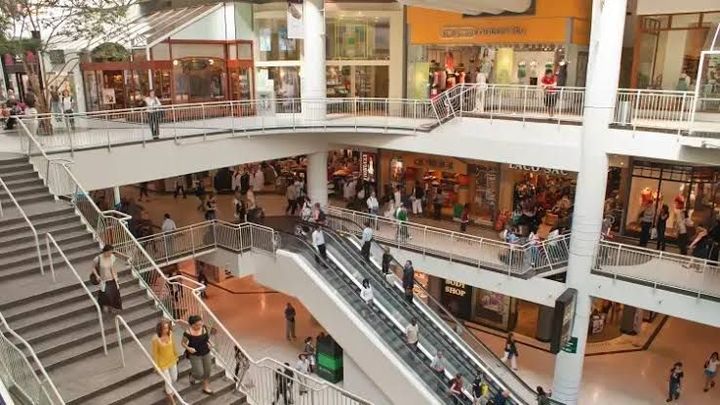
5. Shopping Malls
Shopping malls are larger retail environments with extensive shared infrastructure.
Potential facilities include:
-
Multiple retail levels
-
Food courts
-
Restaurants
-
Entertainment
-
Parking
-
Escalators
-
Elevators
-
Public areas
-
Customer facilities
Modern malls increasingly focus on experiences rather than shopping alone.
6. Neighborhood Retail
Neighborhood retail centers generally serve everyday requirements.
Typical businesses may include:
-
Grocery stores
-
Pharmacies
-
Cafés
-
Restaurants
-
Convenience stores
-
Personal care
-
Fitness businesses
These properties can benefit from repeat local customers.
7. Mixed-Use Retail
Mixed-use developments combine retail with other property categories.
Examples include:
-
Retail + residential
-
Retail + offices
-
Retail + hospitality
-
Retail + entertainment
Mixed-use environments can create multiple sources of customer traffic.
8. Retail Showrooms
Showrooms are designed to present products in a physical environment.
They may require:
-
Large display areas
-
Parking
-
Product storage
-
Customer consultation areas
-
Strong road visibility
-
Loading facilities
Automotive, furniture, appliances, and other industries commonly use showroom formats.
9. Supermarkets and Grocery Retail
Grocery properties have specific requirements because they often depend on regular customer visits.
Important considerations include:
-
Parking
-
Accessibility
-
Delivery access
-
Storage
-
Refrigeration infrastructure
-
Customer circulation
-
Operating hours
Location convenience can be particularly important for grocery-oriented retail.
10. Food and Beverage Retail
Restaurants and cafés can have different property requirements from traditional stores.
Important factors include:
-
Kitchen infrastructure
-
Ventilation
-
Gas or electrical capacity
-
Drainage
-
Seating
-
Waste management
-
Delivery access
-
Customer visibility
The physical layout must support both customer experience and operational workflow.
11. Retail Property Location
Location is one of the most important factors in retail real estate.
Useful considerations include:
-
Customer demographics
-
Population density
-
Pedestrian activity
-
Vehicle traffic
-
Public transportation
-
Parking
-
Nearby businesses
-
Residential development
-
Office activity
-
Accessibility
The best location depends on the retail concept.
12. Visibility
Visibility helps customers identify and access a retail business.
Important elements include:
-
Street frontage
-
Signage visibility
-
Building orientation
-
Window exposure
-
Entrance placement
-
Road position
A highly visible property may still underperform if its customer profile does not match the business.
13. Accessibility
Retail properties should be easy for customers and employees to reach.
Accessibility can involve:
-
Roads
-
Public transport
-
Pedestrian routes
-
Parking
-
Entrances
-
Drop-off areas
-
Accessibility facilities
Convenience can influence how frequently customers visit a location.
14. Pedestrian Traffic
Pedestrian activity can be particularly important for certain retail categories.
High footfall can benefit:
-
Fashion
-
Cafés
-
Restaurants
-
Convenience stores
-
Personal care
-
Impulse-oriented retail
However, the quality of foot traffic matters as much as the quantity.
15. Vehicle Traffic
Some retail categories depend more heavily on vehicle accessibility.
These can include:
-
Furniture
-
Automotive
-
Large-format retail
-
Home improvement
-
Supermarkets
Important factors include road access, parking, turning areas, and loading arrangements.
16. Customer Demographics
Retail properties should be evaluated against the characteristics of the surrounding population.
Useful demographic factors include:
-
Age
-
Household size
-
Income levels
-
Employment
-
Lifestyle
-
Consumer preferences
-
Population growth
The right customer profile can be more valuable than simply having a large population nearby.
17. Tenant Mix
Tenant mix refers to the combination of businesses operating within a retail development.
A balanced tenant mix can include:
-
Anchor retailers
-
Specialty stores
-
Food and beverage
-
Entertainment
-
Convenience businesses
-
Personal care
Complementary tenants can create stronger overall customer activity.
18. Anchor Tenants
An anchor tenant is a major retailer or business that can attract substantial customer traffic.
Examples may include:
-
Supermarkets
-
Department stores
-
Major entertainment facilities
-
Large-format retailers
Anchor tenants can influence the performance and visibility of surrounding retail spaces.
19. Complementary Retailers
Complementary businesses can benefit from shared customer activity.
For example:
Retail + Café + Restaurant + Entertainment
can create a broader consumer experience than isolated businesses.
Tenant planning is therefore an important component of shopping-center strategy.
20. Retail Leasing
Retail leasing involves an agreement between a property owner or landlord and a tenant for the use of commercial space.
Important leasing elements can include:
-
Lease duration
-
Rent structure
-
Security deposit
-
Maintenance responsibilities
-
Operating expenses
-
Fit-out requirements
-
Renewal terms
-
Permitted use
-
Signage rights
The exact terms vary by market and agreement.
21. Base Rent
Base rent is the primary rental amount established under a lease.
It can be structured in different ways depending on:
-
Property type
-
Location
-
Lease duration
-
Tenant profile
-
Market conditions
-
Negotiated terms
Base rent should be considered alongside other occupancy expenses.
22. Percentage Rent
Some retail leases may include a percentage-rent component.
Under such arrangements, rent can be linked partly to the tenant's sales performance.
This model can align landlord and tenant interests, although the exact calculation and thresholds depend on the lease agreement.
23. Common Area Maintenance
Retail properties often contain shared spaces.
Examples include:
-
Corridors
-
Parking areas
-
Landscaping
-
Security areas
-
Common utilities
-
Elevators
-
Public facilities
The costs of maintaining these areas may be allocated among tenants according to the lease structure.
24. Lease Term
Lease terms can vary depending on the property and tenant.
Longer leases may provide greater occupancy stability, while shorter agreements can provide flexibility.
Key considerations include:
-
Initial term
-
Renewal options
-
Rent escalation
-
Break clauses
-
Notice periods
-
Assignment rights
25. Rent Escalation
Retail leases may contain provisions allowing rent to increase periodically.
These provisions can be structured around:
-
Fixed increases
-
Percentage increases
-
Market reviews
-
Index-linked adjustments
The exact structure should be clearly documented in the lease.
26. Fit-Out Period
Retail tenants often need time to prepare their space.
Fit-out activities can include:
-
Interior construction
-
Lighting
-
Flooring
-
Fixtures
-
Signage
-
Electrical systems
-
Plumbing
-
Kitchen installation
The lease should clearly define responsibilities and timelines.
27. Permitted Use
A retail lease should specify what activities can legally operate within the premises.
For example, a property may be designated for:
-
Retail
-
Food and beverage
-
Entertainment
-
Personal care
-
Office-related activities
Changing the use may require landlord approval or regulatory permissions.
28. Signage
Signage is particularly important for retail businesses.
Relevant considerations include:
-
Sign location
-
Size
-
Visibility
-
Lighting
-
Building rules
-
Local regulations
A highly visible retail property can lose some of its advantage if signage restrictions are too restrictive.
29. Parking
Parking can influence retail accessibility.
Important considerations include:
-
Number of spaces
-
Parking duration
-
Customer parking
-
Staff parking
-
Disabled-access spaces
-
EV charging
-
Parking fees
The importance of parking depends heavily on the retail format and location.
30. Loading and Delivery Areas
Retail operations often require regular deliveries.
Loading facilities can support:
-
Inventory movement
-
Supplier deliveries
-
Waste collection
-
Large-item transportation
Retailers should assess loading access before occupying a property.
31. Storage
Storage requirements vary significantly between businesses.
Retail spaces may need:
-
Back-of-house storage
-
Refrigerated storage
-
Inventory rooms
-
Shelving
-
Secure storage
A visually attractive shop can become operationally inefficient if storage is inadequate.
32. Floor Plan
Retail floor plans should support customer movement and staff operations.
Important elements include:
-
Entrance
-
Display areas
-
Checkout
-
Storage
-
Staff areas
-
Customer circulation
-
Emergency exits
The layout should reflect the retail business model.
33. Customer Experience
Modern retail increasingly focuses on experience.
Features can include:
-
Comfortable layouts
-
Interactive displays
-
Dining
-
Entertainment
-
Digital technology
-
Community events
-
Relaxation spaces
Experience-oriented retail can help physical locations remain relevant alongside digital commerce.
34. Omnichannel Retail
Many retailers now combine physical stores with digital channels.
An omnichannel strategy can include:
-
Online ordering
-
Physical stores
-
Click-and-collect
-
Digital inventory
-
Mobile applications
-
Home delivery
-
In-store returns
Retail property can therefore function as both a customer-facing environment and a logistics point.
35. Technology in Retail Real Estate
Technology is increasingly integrated into commercial properties.
Potential systems include:
-
Smart building controls
-
Digital signage
-
Customer analytics
-
Occupancy monitoring
-
Automated lighting
-
Energy management
-
Security systems
-
Wi-Fi infrastructure
Technology can improve both operational efficiency and customer experience.
36. Smart Buildings
Smart retail buildings can monitor and control systems such as:
-
Lighting
-
HVAC
-
Energy consumption
-
Security
-
Access
-
Equipment
Data-driven management can help identify inefficiencies and maintenance requirements.
37. Energy Efficiency
Energy efficiency can be important for retail properties because of long operating hours and significant lighting and cooling requirements.
Potential measures include:
-
LED lighting
-
Efficient HVAC
-
Smart controls
-
Solar power
-
Energy monitoring
-
Efficient refrigeration
Energy management can contribute to operational efficiency.
38. Sustainability
Sustainable retail properties may incorporate:
-
Renewable energy
-
Water-efficient systems
-
Recycling facilities
-
Green building materials
-
Efficient lighting
-
Sustainable landscaping
-
Waste reduction
Sustainability can increasingly influence tenant preferences and customer expectations.
39. Retail Market Trends
Retail commercial real estate continues to evolve as consumers combine physical and digital shopping.
Recent industry research highlights several important trends:
-
Experiential retail
-
Premium retail formats
-
Mixed-use developments
-
Omnichannel operations
-
Food and beverage expansion
-
Technology-enabled stores
-
Stronger focus on customer experience
In India, CBRE reported that retail leasing activity remained strong during 2025, with major cities recording substantial retail space absorption and continued expansion by domestic and international brands.
40. Experiential Retail
Experiential retail transforms a store or shopping center into a broader destination.
Possible experiences include:
-
Entertainment
-
Food
-
Events
-
Interactive displays
-
Community activities
-
Wellness
-
Technology
The goal is to provide reasons for customers to visit physical locations beyond basic purchasing.
41. Premium Retail
Premium retail environments often focus on:
-
Architecture
-
Interior design
-
Customer service
-
Product presentation
-
Location
-
Brand positioning
These properties may prioritize quality of environment over maximum retail density.
42. Mixed-Use Development Growth
Mixed-use developments can combine:
Residential + Office + Retail + Hospitality + Entertainment
This creates multiple sources of activity throughout the day.
For retailers, mixed-use environments can provide access to residents, employees, visitors, and tourists.
43. Retail and E-Commerce
Physical retail and e-commerce increasingly operate together.
Stores can serve as:
-
Experience centers
-
Product showrooms
-
Collection points
-
Return locations
-
Distribution points
-
Customer-service centers
This changes how retail property is designed and evaluated.
44. Retail Investment Research
When analyzing a retail property, useful indicators include:
-
Occupancy
-
Tenant quality
-
Lease duration
-
Rent levels
-
Footfall
-
Sales performance where available
-
Vacancy
-
Tenant mix
-
Property condition
-
Future supply
No single indicator provides a complete picture.
45. Vacancy
Vacancy represents the portion of retail space that is unoccupied.
High vacancy can indicate:
-
Weak demand
-
Oversupply
-
Poor location
-
Tenant turnover
-
Economic challenges
However, temporary vacancy can also occur during redevelopment or tenant transitions.
46. Retail Property Supply
Supply refers to the amount of retail space available or under development.
New supply can influence:
-
Rental levels
-
Tenant competition
-
Vacancy
-
Customer distribution
-
Property positioning
Market analysis should therefore consider both existing and future retail inventory.
47. Retail Property Risks
Retail real estate can be affected by:
-
Consumer spending
-
Economic cycles
-
E-commerce
-
Changing demographics
-
Tenant failure
-
Oversupply
-
Rising operating expenses
-
Regulatory changes
-
Infrastructure changes
Understanding these risks helps create a more balanced market assessment.
48. Common Retail Property Mistakes
Focusing Only on Footfall
High footfall does not guarantee high-quality customers.
Ignoring Accessibility
A busy location can still be difficult to reach.
Overlooking Tenant Mix
Neighboring businesses can influence customer traffic.
Ignoring Lease Terms
Headline rent does not describe the complete lease structure.
Underestimating Operating Costs
Maintenance and common-area expenses can significantly affect occupancy economics.
Ignoring Future Development
New competing retail projects can change market dynamics.
49. How to Evaluate Retail Commercial Real Estate
A practical framework is:
Location → Customer → Property → Tenant → Lease → Market
Location
Study visibility, accessibility, transportation, and surrounding activity.
Customer
Understand demographics, behavior, and purchasing patterns.
Property
Assess layout, infrastructure, parking, storage, and condition.
Tenant
Evaluate business suitability and operational requirements.
Lease
Review rent, escalation, maintenance, permitted use, and renewal provisions.
Market
Study supply, demand, vacancy, competition, and future developments.
50. Retail Property Research Checklist
FAQs
What is retail commercial real estate?
Retail commercial real estate consists of properties designed primarily for businesses that interact directly with consumers, including stores, restaurants, supermarkets, shopping centers, malls, and showrooms.
What are the main types of retail property?
Common types include high-street stores, shopping centers, shopping malls, neighborhood retail centers, standalone stores, showrooms, supermarkets, and mixed-use retail developments.
What makes a retail property location attractive?
Important factors include visibility, accessibility, customer demographics, pedestrian activity, vehicle traffic, parking, public transportation, surrounding businesses, and future development.
What factors should be reviewed in a retail lease?
Important elements can include rent structure, lease duration, escalation, maintenance obligations, permitted use, fit-out requirements, signage, renewal options, and operating expenses.
How is retail real estate changing?
Retail is increasingly combining physical stores with digital commerce, experiential environments, technology, mixed-use developments, and omnichannel operations. Recent industry data also indicates continued retail leasing activity across major Indian markets.
Conclusion
Retail commercial real estate is more than a physical storefront. Its performance can depend on the relationship between location, customers, accessibility, property design, tenant mix, leasing structure, technology, and broader market conditions.
Modern retail properties are also evolving. Shopping environments increasingly combine stores with dining, entertainment, wellness, digital experiences, and community-oriented activities.
For anyone researching retail commercial real estate, the key principle is:
Right Property + Right Location + Right Customer + Right Lease = Stronger Retail Potential
A thorough evaluation should look beyond rent or footfall and examine the complete operating environment, including accessibility, tenant compatibility, infrastructure, competition, future supply, and changing consumer behavior.
Disclaimer
This article is provided solely for general informational and educational purposes. It does not endorse, recommend, rank, or promote any specific property, developer, landlord, tenant, retailer, location, investment, or commercial opportunity. Retail market conditions, leasing structures, regulations, property values, tenant demand, and development plans can change over time. Readers should independently verify current information and consult qualified legal, financial, property, and commercial real estate professionals before making any property-related decision.