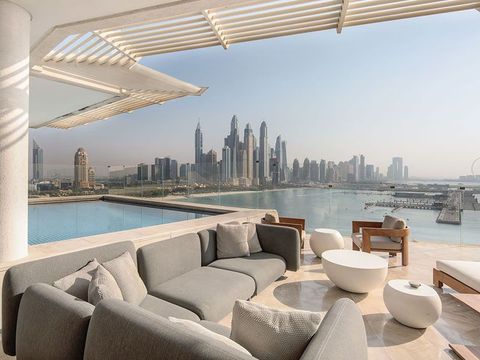
For anyone researching Dubai property, understanding the market is more useful than focusing on a single property. The fundamentals include property types, ownership structures, location characteristics, valuation, rental activity, regulations, financing, and long-term market trends.
Dubai Land Department data shows that the emirate's real estate market remained highly active in 2026. In the first quarter of 2026, total real estate transactions reached AED 252 billion, up 31% year over year in value, while real estate investments reached AED 173 billion.
This guide explains the basics in simple terms and provides a practical framework for understanding Dubai's residential property landscape.
1. What Is Dubai Property?
Dubai property refers to residential, commercial, industrial, hospitality, and land-based real estate within the emirate.
Residential property is one of the most visible segments and includes:
-
Apartments
-
Villas
-
Townhouses
-
Penthouses
-
Duplexes
-
Serviced residences
-
Branded residences
-
Residential plots
Dubai Land Department's official data systems categorize properties using information such as property type, usage, unit details, building information, transaction data, and ownership status.
2. Understanding the Dubai Residential Market
The residential market can broadly be divided into apartments and larger residential properties.
Apartments are common in high-density urban developments, while villas and townhouses generally provide greater private living space.
Dubai Land Department's published market data shows substantial long-term price growth across residential units and villas, particularly after 2021.
However, property performance can vary considerably depending on:
-
Property type
-
Development quality
-
Building age
-
Location characteristics
-
Accessibility
-
Amenities
-
Supply
-
Demand
-
Market conditions
3. Apartments
Apartments represent a major part of Dubai's residential property landscape.
Common configurations include:
-
Studio apartments
-
One-bedroom apartments
-
Two-bedroom apartments
-
Three-bedroom apartments
-
Larger multi-bedroom units
Apartment buildings may include facilities such as:
-
Swimming pools
-
Fitness areas
-
Parking
-
Security
-
Children's areas
-
Shared lounges
-
Reception areas
The importance of each feature depends on the building and intended use.
4. Villas
Villas generally provide more private space than apartments.
Typical characteristics include:
-
Multiple bedrooms
-
Private or shared outdoor areas
-
Larger living spaces
-
Parking
-
Private entrances
-
Garden areas in some developments
Villas may appeal to households prioritizing space, privacy, and family-oriented living.
Dubai Land Department's historical market analysis also identifies villas as a significant residential segment with strong price appreciation over the longer term.
5. Townhouses
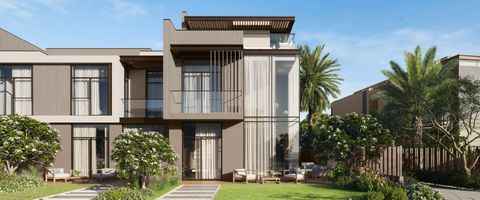
Townhouses sit between apartment-style living and standalone villas.
They commonly feature:
-
Multiple floors
-
Private entrances
-
Several bedrooms
-
Outdoor areas
-
Parking
-
Shared community facilities
Townhouse developments can provide a balance between private residential space and community-based living.
6. Penthouses and Luxury Residences
Penthouses generally occupy premium positions within residential buildings.
They may include:
-
Larger floor plans
-
Expansive terraces
-
Premium views
-
High-end interiors
-
Private elevators in some developments
-
Exclusive amenities
Luxury residential properties form an important part of Dubai's wider real estate market. Dubai Land Department reported AED 87.71 billion in luxury real estate investment during Q1 2026, representing a 26% year-over-year increase.
7. Serviced Residences
Serviced residences combine residential accommodation with hospitality-style facilities.
Depending on the development, features may include:
-
Reception
-
Housekeeping
-
Concierge
-
Furnished interiors
-
Fitness facilities
-
Shared amenities
These properties can appeal to residents seeking a more managed living environment.
8. Branded Residences
Branded residences connect residential property with established hospitality, lifestyle, or luxury brands.
Possible characteristics include:
-
Branded interiors
-
Dedicated amenities
-
Concierge-style facilities
-
Hospitality-oriented management
-
Premium positioning
Dubai's market has experienced increasing interest in branded residences and lifestyle-oriented developments.
9. Freehold and Non-Freehold Property
Ownership structure is an important part of understanding Dubai property.
Dubai Land Department's property-status information distinguishes between freehold and non-freehold ownership. Its official guidance states that freehold purchase is available to all nationalities, while non-freehold purchase is available to GCC nationals, subject to the applicable regulations.
Because ownership rules can depend on the specific property and applicable regulations, buyers should verify the property's legal status through official records.
10. Property Ownership vs Renting
People researching Dubai residential property generally encounter two major pathways:
Ownership
Ownership provides a property interest subject to the applicable title, regulations, financing arrangements, and ownership structure.
Renting
Renting provides the right to occupy a property under a tenancy agreement for an agreed period.
The better choice depends on factors such as:
-
Length of stay
-
Financial planning
-
Flexibility
-
Lifestyle requirements
-
Property objectives
-
Market conditions
11. Dubai Rental Market
The rental market is an important component of Dubai's residential ecosystem.
According to Dubai Land Department, registered tenancy contracts in 2025 increased 6% in volume and 17% in value compared with 2024, reaching approximately 1.38 million contracts worth AED 126.4 billion.
The rental market includes:
-
Apartments
-
Villas
-
Townhouses
-
Furnished residences
-
Serviced residences
-
Commercial properties
Rental conditions can vary significantly between property categories and individual developments.
12. Understanding Property Valuation
Property valuation is the process of determining the estimated value of a property using relevant information and professional methodologies.
Dubai Land Department provides valuation processes for several property categories, including:
-
Residential units
-
Residential villas
-
Vacant land
-
Commercial buildings
-
Industrial buildings
-
Hotel buildings
Valuation can be relevant for:
-
Financing
-
Transactions
-
Financial planning
-
Portfolio analysis
-
Legal requirements
-
Asset management
13. Factors That Influence Property Value
Property value can be influenced by many variables.
Important factors include:
-
Property size
-
Building quality
-
Age
-
Layout
-
Floor level
-
Views
-
Amenities
-
Accessibility
-
Development quality
-
Supply and demand
-
Rental performance
-
Market conditions
Two properties with similar floor areas can have substantially different values because of these differences.
14. Property Size and Layout
Size alone does not determine the usefulness of a residential property.
Consider:
-
Number of bedrooms
-
Living area
-
Balcony or terrace
-
Storage
-
Kitchen configuration
-
Bathroom count
-
Parking
-
Internal layout
An efficient floor plan can sometimes be more practical than a larger but poorly configured space.
15. Community Amenities
Modern residential developments can include extensive shared facilities.
Examples include:
-
Swimming pools
-
Gyms
-
Parks
-
Children's play areas
-
Walking paths
-
Community centers
-
Retail areas
-
Security systems
Amenities can influence both lifestyle experience and market perception.
16. Location Fundamentals
Location remains one of the most important concepts in real estate.
Instead of focusing only on a neighborhood name, evaluate:
-
Road accessibility
-
Public transport
-
Schools
-
Healthcare facilities
-
Retail access
-
Employment centers
-
Leisure facilities
-
Traffic patterns
-
Future infrastructure
A property with convenient access to important destinations may have different characteristics from a similar property in a less connected setting.
17. New vs Existing Properties
Dubai's market includes both newly developed and existing properties.
New Properties
Potential characteristics include:
-
Modern designs
-
New facilities
-
Contemporary layouts
-
New infrastructure
Existing Properties
Potential advantages may include:
-
Established communities
-
Existing rental history
-
Visible building condition
-
Established amenities
-
Historical transaction information
Neither category is automatically better. Evaluation should focus on the specific property.
18. Off-Plan Property
Off-plan property refers to a property that is sold before construction is completed.
Important considerations include:
-
Developer background
-
Project status
-
Completion schedule
-
Payment structure
-
Escrow arrangements
-
Contract terms
-
Development plans
-
Applicable regulations
The risks and characteristics of off-plan property differ from completed property, making due diligence particularly important.
19. Property Developers
Developers play an important role in Dubai's property ecosystem.
When evaluating a development, consider:
-
Developer history
-
Previous projects
-
Project completion record
-
Development quality
-
Financial and regulatory information
-
Community infrastructure
-
Project status
Dubai Land Department provides developer-related information through its real estate data systems.
20. Real Estate Data and Market Research
Good property research should rely on data rather than assumptions.
Dubai Land Department's real estate data platform provides information covering:
-
Transactions
-
Rentals
-
Projects
-
Valuations
-
Land
-
Buildings
-
Units
-
Brokers
-
Developers
This can help researchers understand market activity more systematically.
21. Understanding Property Transactions
A transaction record can provide valuable context.
Relevant information may include:
-
Transaction date
-
Property type
-
Transaction type
-
Property size
-
Transaction amount
-
Usage
-
Registration type
-
Freehold status
Analyzing several comparable transactions can provide a more meaningful picture than relying on a single advertised figure.
22. Real Estate Brokers
Licensed brokers can play a role in helping participants understand available properties and transaction processes.
Dubai Land Department maintains information and regulatory resources relating to licensed real estate brokers and real estate activities.
When working with a broker, verify licensing and relevant credentials through official channels.
23. Digital Real Estate Tools
Dubai's property ecosystem increasingly uses digital technologies.
Examples include:
-
Online transaction records
-
Property-status checks
-
Digital tenancy management
-
Property valuation systems
-
Mobile applications
-
Digital documentation
-
Real estate data platforms
Dubai Land Department's Dubai REST application includes functions related to lease management, rental dispute resolution, and dispute tracking.
24. Property Status Verification
Property verification is an important part of due diligence.
Dubai Land Department's property-status system can be used with information such as:
-
Title deed number
-
Property number
-
Makani number
-
Municipality number
-
Unit information
The system can provide information relating to property status and certain recorded matters.
25. Rental Considerations
For people evaluating a rental property, consider:
-
Annual rent
-
Contract duration
-
Deposit requirements
-
Maintenance responsibilities
-
Renewal conditions
-
Payment structure
-
Property condition
-
Included facilities
-
Tenancy registration
Always review the complete tenancy agreement before committing.
26. Financing Considerations
Some property purchasers use financing rather than relying entirely on available capital.
Important considerations can include:
-
Eligibility
-
Down payment
-
Interest or profit structure
-
Loan duration
-
Valuation
-
Monthly obligations
-
Associated charges
-
Early repayment conditions
Financing requirements can vary according to the buyer, lender, property, and applicable regulations.
27. Property Management
Property management becomes important when an owner does not personally handle day-to-day responsibilities.
Tasks may include:
-
Maintenance coordination
-
Tenant communication
-
Rent administration
-
Inspections
-
Documentation
-
Repairs
-
Building coordination
Professional management structures can be particularly relevant for owners with multiple properties or properties located away from their primary residence.
28. Maintenance and Building Quality
Property evaluation should go beyond appearance.
Inspect:
-
Structural condition
-
Plumbing
-
Electrical systems
-
Air conditioning
-
Windows
-
Flooring
-
Kitchen equipment
-
Bathrooms
-
Elevators
-
Common areas
For apartments, building-level maintenance can be just as important as the condition of the individual unit.
29. Real Estate Market Trends in 2026
Dubai entered 2026 with strong transaction activity.
During Q1 2026, Dubai Land Department reported:
-
AED 252 billion in total real estate transaction value
-
60,303 real estate transactions
-
AED 173 billion in real estate investments
-
48,448 investors
-
AED 148.35 billion in foreign investment value
These figures demonstrate strong market activity, but they should not be interpreted as a guarantee that every property or segment will appreciate.
30. International Participation
International participation remains an important characteristic of Dubai's real estate market.
Dubai Land Department reported that foreign investment value reached AED 148.35 billion in Q1 2026, with the number of foreign investments increasing 11% year over year.
For international participants, additional considerations may include:
-
Ownership eligibility
-
Documentation
-
Financing
-
Currency considerations
-
Tax implications in relevant jurisdictions
-
Legal requirements
-
Property management
31. Luxury Property Trends
Luxury real estate continues to represent a major segment of Dubai's property landscape.
Premium properties can include:
-
Large villas
-
Luxury apartments
-
Penthouses
-
Branded residences
-
Waterfront residences
-
High-end developments
However, luxury property should be evaluated on individual characteristics rather than simply using the "luxury" label.
32. Sustainability and Smart Homes
Modern residential developments increasingly incorporate technology and sustainability concepts.
Features can include:
-
Smart lighting
-
Automated climate controls
-
Energy monitoring
-
Security systems
-
Building-management systems
-
Efficient appliances
-
EV charging infrastructure
These technologies can influence convenience, operational efficiency, and long-term building performance.
33. Common Property Research Mistakes
Looking Only at Advertised Prices
Advertised figures do not necessarily represent completed transaction values.
Ignoring Property Condition
A visually attractive property may still require detailed technical inspection.
Focusing Only on Location Names
The practical characteristics of a location matter more than the name itself.
Ignoring Ownership Status
Ownership rules should be verified before making decisions.
Overlooking Building Quality
For apartments, building management and maintenance can significantly affect the residential experience.
Assuming Past Growth Will Continue
Historical appreciation does not guarantee future performance.
34. Simple Dubai Property Evaluation Framework
A useful framework is:
Property → Location → Ownership → Condition → Market → Documentation
Property
Understand the type, size, layout, and features.
Location
Evaluate accessibility and surrounding infrastructure.
Ownership
Verify freehold or applicable ownership status.
Condition
Inspect the property and building.
Market
Study comparable transaction and rental information.
Documentation
Verify titles, contracts, approvals, and relevant records.
35. Dubai Property Research Checklist
36. FAQs
What are the main residential property types in Dubai?
Common residential formats include apartments, villas, townhouses, penthouses, duplexes, serviced residences, branded residences, and residential plots.
Can international buyers own property in Dubai?
Dubai Land Department states that freehold property can be purchased by all nationalities, while non-freehold ownership is subject to different eligibility rules. Specific property status should always be verified through official records.
How can property value be evaluated?
Property value can be assessed using factors such as property size, location characteristics, condition, comparable transactions, amenities, market conditions, and professional valuation.
Is renting different from owning property?
Yes. Renting provides occupancy rights under a tenancy agreement, while ownership provides a property interest subject to the applicable ownership structure and regulations.
Where can Dubai real estate data be researched?
Dubai Land Department provides official real estate data covering transactions, rents, projects, valuations, land, buildings, units, brokers, and developers.
Conclusion
Dubai's property market is a diverse ecosystem covering apartments, villas, townhouses, luxury residences, serviced properties, new developments, and established communities.
Understanding the market requires more than comparing property prices. The strongest research considers property type, ownership structure, location characteristics, building quality, transaction data, rental activity, valuation, documentation, and long-term market conditions.
Dubai's strong transaction activity in 2026 demonstrates continued market momentum, while official digital data and property-status tools provide increasingly useful resources for research and due diligence.
The simplest principle to remember is:
Understand the property. Check the facts. Study the market. Verify the documents. Then make an informed decision.
Disclaimer
This article is provided solely for general informational and educational purposes. It does not endorse, recommend, rank, or promote any specific property, developer, broker, project, investment, or real estate opportunity. Property prices, rental values, regulations, ownership requirements, market conditions, financing terms, and transaction data can change over time. Real estate decisions involve financial and legal considerations, and readers should independently verify current information through official authorities and qualified professionals before making any property-related decision.