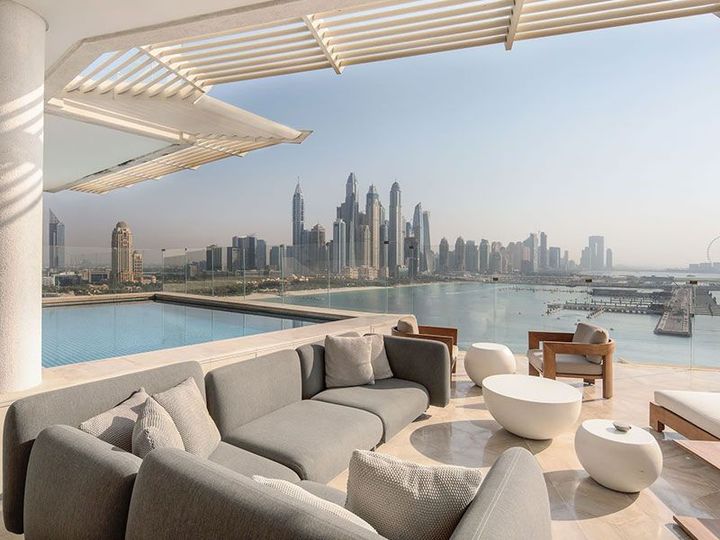
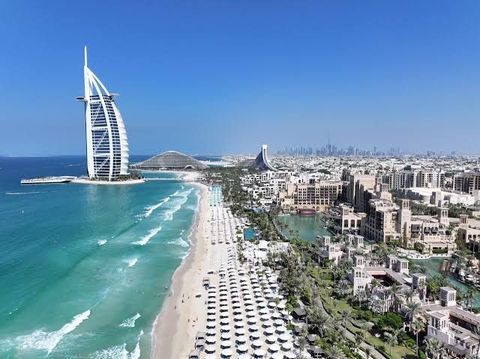
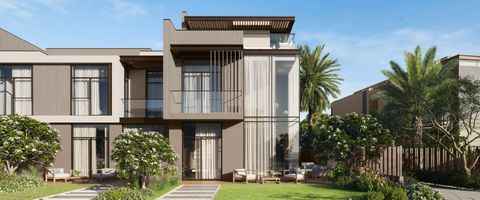
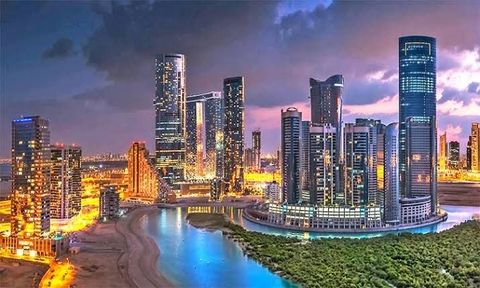
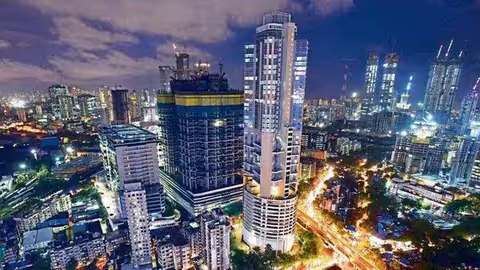
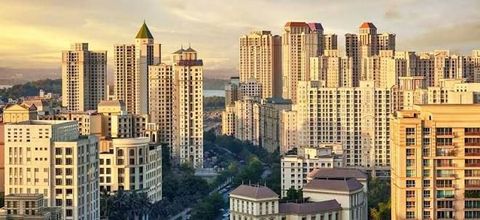
The UAE market is also highly diverse because each emirate has its own economic structure, development priorities, regulations, and property characteristics.
Modern UAE real estate is influenced by population growth, infrastructure development, tourism, international investment, business activity, technology, new residential communities, and changing lifestyle preferences.
Recent market data shows continued activity across residential, commercial, retail, hospitality, and industrial property sectors, although individual markets and property segments are moving at different speeds.
1. What Is UAE Real Estate?
UAE real estate refers to land and property assets across the seven emirates:
-
Abu Dhabi
-
Dubai
-
Sharjah
-
Ajman
-
Umm Al Quwain
-
Ras Al Khaimah
-
Fujairah
The sector includes both residential and non-residential property.
Major categories include:
-
Apartments
-
Villas
-
Townhouses
-
Penthouses
-
Residential plots
-
Offices
-
Retail properties
-
Warehouses
-
Industrial facilities
-
Hotels
-
Mixed-use developments
-
Development land
2. UAE Residential Real Estate
Residential property represents a major component of the UAE real estate market.
Common residential formats include:
-
Studio apartments
-
One-bedroom apartments
-
Multi-bedroom apartments
-
Villas
-
Townhouses
-
Duplexes
-
Penthouses
-
Branded residences
-
Serviced residences
The appropriate property type depends on household requirements, location, lifestyle, accessibility, and long-term objectives.
3. Apartments
Apartments are widely available across UAE residential markets.
Typical configurations include:
-
Studio
-
One-bedroom
-
Two-bedroom
-
Three-bedroom
-
Larger multi-bedroom units
Modern apartment developments may provide:
-
Swimming pools
-
Fitness centers
-
Parking
-
Security
-
Children's facilities
-
Shared lounges
-
Landscaped areas
-
Smart-home systems
Apartment quality can vary significantly between buildings, so property-specific research is important.
4. Villas
Villas generally provide larger private living spaces.
Features can include:
-
Multiple bedrooms
-
Private gardens
-
Parking
-
Outdoor areas
-
Private entrances
-
Multiple bathrooms
-
Family rooms
-
Swimming pools
Villa communities can be particularly suitable for households seeking greater space and privacy.
5. Townhouses
Townhouses provide a middle ground between apartments and standalone villas.
They commonly feature:
-
Multiple floors
-
Private entrances
-
Several bedrooms
-
Parking
-
Outdoor areas
-
Shared community facilities
Townhouse developments are often planned as larger residential communities with integrated amenities.
6. Penthouses
Penthouses are generally premium residences positioned on upper floors.
Potential characteristics include:
-
Larger layouts
-
Expansive terraces
-
Panoramic views
-
Premium interiors
-
Private access
-
Larger entertainment areas
Their value can depend heavily on views, floor level, building quality, layout, and scarcity.
7. Branded Residences
Branded residences combine residential property with a recognized hospitality, lifestyle, or luxury brand.
Potential features include:
-
Concierge facilities
-
Premium amenities
-
Branded interiors
-
Professional management
-
Hospitality-oriented living
The UAE has become an important global market for branded residences. CBRE reported strong growth in this segment during 2025, with Dubai, Abu Dhabi, and Ras Al Khaimah all contributing to the expanding pipeline.
8. Serviced Residences
Serviced residences combine residential accommodation with selected hospitality-style facilities.
Potential features include:
-
Furnished units
-
Reception
-
Housekeeping
-
Concierge
-
Fitness facilities
-
Shared amenities
These properties can appeal to residents who prefer a more managed living environment.
9. Luxury Residential Property
Luxury property is generally associated with the premium end of the residential market.
Common characteristics include:
-
Large living spaces
-
Premium materials
-
High-quality architecture
-
Privacy
-
Advanced technology
-
Wellness facilities
-
Premium views
-
Exclusive amenities
Luxury housing is particularly visible in the UAE's major metropolitan and tourism-oriented markets.
10. Off-Plan Property
Off-plan property refers to property purchased before construction is completed.
It can include:
-
Apartments
-
Villas
-
Townhouses
-
Penthouses
-
Branded residences
Important considerations include:
-
Developer track record
-
Project status
-
Construction schedule
-
Payment structure
-
Contract terms
-
Registration
-
Escrow arrangements where applicable
-
Expected completion
Off-plan activity remains significant in UAE residential markets. In Dubai, CBRE reported that off-plan transactions represented nearly three-quarters of residential transaction activity during 2025.
11. Ready Property
Ready or completed property allows occupants to inspect an existing building and residence.
Potential advantages include:
-
Physical inspection
-
Existing infrastructure
-
Established amenities
-
Visible building condition
-
Existing rental information
-
Immediate or relatively near-term occupancy
Ready property and off-plan property should be evaluated using different criteria.
12. Mixed-Use Developments
Mixed-use developments combine multiple property categories.
A development may include:
Residential + Retail + Offices + Hospitality + Entertainment
This model can create an integrated environment where residents, employees, visitors, and customers contribute to activity throughout the day.
13. Commercial Real Estate
Commercial real estate includes properties used primarily for business activities.
Major categories include:
-
Offices
-
Retail spaces
-
Shopping centers
-
Hotels
-
Warehouses
-
Industrial properties
-
Logistics facilities
Commercial properties are influenced by business formation, employment, tourism, consumer spending, trade, and economic activity.
14. Office Real Estate
Office properties range from conventional business buildings to premium Grade A developments.
Important factors include:
-
Location
-
Building quality
-
Floor plate
-
Parking
-
Connectivity
-
Technology
-
Security
-
Amenities
-
Occupancy
The UAE office market has remained relatively supply-constrained in major business centers. CBRE reported high occupancy levels in both Dubai and Abu Dhabi during 2025.
15. Retail Real Estate
Retail property includes:
-
Shopping malls
-
High-street stores
-
Neighborhood centers
-
Supermarkets
-
Showrooms
-
Food and beverage spaces
Retail performance is strongly connected to tourism, population growth, consumer spending, accessibility, and tenant mix.
CBRE reported occupancy levels of approximately 98% in Dubai's major retail market and 95% in Abu Dhabi at the end of 2025.
16. Industrial and Logistics Property
Industrial real estate supports manufacturing, storage, distribution, and logistics.
It can include:
-
Warehouses
-
Distribution centers
-
Manufacturing facilities
-
Logistics parks
-
Cold-storage facilities
-
Industrial plots
The UAE's strategic position between major global markets makes logistics infrastructure an important component of its wider property ecosystem.
17. Hospitality Real Estate
Hospitality property includes:
-
Hotels
-
Resorts
-
Serviced residences
-
Branded hospitality developments
-
Tourism-oriented accommodation
Tourism is an important contributor to demand across several UAE property markets.
The hospitality sector entered 2026 from a strong position, although changing international travel patterns and disruptions created new short-term challenges.
18. Property Location
Location remains one of the most important real estate factors.
Instead of considering only a property name or district, evaluate:
-
Road connectivity
-
Public transport
-
Schools
-
Healthcare
-
Retail
-
Employment centers
-
Recreation
-
Airports
-
Tourism attractions
-
Future infrastructure
A property's practical accessibility can influence both residential demand and commercial activity.
19. Infrastructure
Infrastructure can have a significant impact on real estate development.
Important elements include:
-
Roads
-
Public transportation
-
Airports
-
Utilities
-
Schools
-
Healthcare
-
Digital connectivity
-
Community facilities
New infrastructure can change accessibility and development patterns over time.
20. Residential Community Features
Modern residential communities may provide:
-
Parks
-
Swimming pools
-
Gyms
-
Walking paths
-
Children's play areas
-
Community centers
-
Retail
-
Restaurants
-
Sports facilities
Amenities can influence lifestyle and property demand, but quality and maintenance should also be considered.
21. Smart Homes
Technology is increasingly integrated into UAE residential developments.
Smart-home features can include:
-
Automated lighting
-
Smart climate control
-
Digital locks
-
Security systems
-
Energy monitoring
-
Connected appliances
-
Home automation
The most useful technology is generally technology that improves convenience without making daily operation unnecessarily complicated.
22. Sustainability
Sustainability has become increasingly important in modern UAE development.
Potential features include:
-
Energy-efficient cooling
-
Solar power
-
Water-saving systems
-
Efficient lighting
-
Green landscaping
-
Waste management
-
Sustainable construction materials
-
EV charging
Sustainable design can contribute to long-term building efficiency.
23. Property Ownership in the UAE
Ownership rules in the UAE depend on several factors, including:
-
Emirate
-
Property classification
-
Location
-
Owner's nationality
-
Type of property interest
-
Applicable local regulations
The UAE's legal structure combines federal legislation with laws and regulations issued by individual emirates. The official UAE Government portal notes that local governments regulate matters within their respective jurisdictions and provides links to the official legal resources of each emirate.
Therefore, ownership rules should always be checked against the latest regulations applicable to the specific emirate and property.
24. Freehold Ownership
Freehold ownership generally represents a form of ownership in which the owner holds rights over the property and associated land interest, subject to applicable laws.
Availability of freehold ownership for non-UAE nationals depends on the relevant emirate and designated areas.
The exact legal structure should be verified through the relevant land or property authority.
25. Leasehold Interests
Leasehold arrangements provide rights to use a property for a specified period under agreed conditions.
The structure can vary depending on:
-
Duration
-
Property type
-
Location
-
Contract terms
-
Applicable local regulations
Leasehold and freehold rights should not be treated as identical.
26. Foreign Property Ownership
Foreign ownership has become an important component of UAE real estate.
However, the rules are not necessarily identical across all seven emirates.
Potential factors include:
-
Designated ownership areas
-
Property type
-
Registration requirements
-
Residency status
-
Local regulations
-
Ownership structure
Foreign purchasers should verify current rules through official emirate-level authorities before making commitments.
27. Property Registration
Property registration creates an official record of ownership or property rights.
Registration processes can vary between emirates.
Important documentation may include:
-
Identification
-
Sale agreements
-
Title information
-
Property plans
-
Developer documentation
-
Financing records
-
Registration certificates
Official property records should be used wherever possible.
28. Real Estate Documentation
Documents may vary according to the property and transaction.
Potential documents include:
-
Title deed
-
Sale agreement
-
Property registration records
-
Building plans
-
Developer documents
-
Completion documentation
-
Mortgage documents
-
Community regulations
Documents should be reviewed carefully before entering into a transaction.
29. Property Financing
Some property purchasers use mortgage or other financing arrangements.
Factors can include:
-
Eligibility
-
Down payment
-
Financing period
-
Interest or profit structure
-
Property valuation
-
Monthly obligations
-
Associated fees
-
Insurance
-
Repayment conditions
Financing requirements vary between institutions and individual circumstances.
30. Rental Property
Rental real estate represents a significant part of the UAE housing ecosystem.
Rental demand can be influenced by:
-
Population growth
-
Employment
-
Tourism
-
Property supply
-
Location
-
Property quality
-
Amenities
-
Transportation
Official UAE guidance notes that rental rates can vary according to the location and size of accommodation.
31. Rental Market Trends
UAE rental markets have experienced strong activity in recent years, although growth is becoming more differentiated by property type and location.
At the end of 2025, CBRE reported that Dubai's annual residential rents were still approximately 6% higher year over year, with apartment rents up 7% and villa rents up 1%. Abu Dhabi recorded stronger rental growth, with average residential rents increasing 22% annually.
These figures demonstrate why rental analysis should be conducted at the individual market and property-segment level.
32. UAE Real Estate Market Trends
The UAE property market entered 2026 following a strong period of activity.
However, the market is becoming more segmented.
CBRE's Q1 2026 research reported that Dubai's residential market was entering a period of moderation, while Abu Dhabi continued to record strong residential activity.
The latest Q2 2026 research also indicates that Dubai's residential market moderated as new supply eased pricing pressure, while Abu Dhabi continued to outperform with strong demand and off-plan activity.
33. Dubai Residential Market
Dubai remains one of the UAE's largest and most internationally recognized property markets.
The market includes:
-
Apartments
-
Villas
-
Townhouses
-
Penthouses
-
Branded residences
-
Serviced residences
During 2025, Dubai recorded more than 206,000 residential transactions, according to CBRE, with off-plan transactions accounting for nearly three-quarters of activity.
In Q1 2026, CBRE reported more than 45,000 residential transactions worth AED 137 billion, while noting signs of moderation in price and rental growth.
34. Abu Dhabi Residential Market
Abu Dhabi's residential market has also experienced significant growth.
CBRE reported that residential transactions increased by 50% during 2025, while transaction values increased by 61% compared with 2024. Residential values increased by nearly 32%, with apartments outperforming villas during the year.
The market has also seen strong activity in premium and off-plan developments.
35. Ras Al Khaimah Real Estate
Ras Al Khaimah has attracted increasing attention from property developers and investors, particularly around tourism, hospitality, luxury residences, and large-scale development.
Branded residences have become an important component of its emerging premium residential landscape.
The emirate's future real estate direction is closely connected with tourism, infrastructure, hospitality, and broader economic development.
36. Sharjah Real Estate
Sharjah provides a different residential and commercial environment from Dubai and Abu Dhabi.
Its property landscape includes:
-
Apartments
-
Villas
-
Townhouses
-
Commercial buildings
-
Mixed-use developments
-
Industrial property
Affordability, community infrastructure, family-oriented housing, and connectivity can influence demand across different segments.
37. Northern Emirates
Ajman, Umm Al Quwain, and Fujairah also contribute to the UAE's wider real estate ecosystem.
Property markets in these emirates can differ in:
-
Scale
-
Pricing
-
Development activity
-
Tourism
-
Residential demand
-
Industrial activity
-
Land availability
Research should therefore avoid treating the UAE as one uniform property market.
38. Luxury Real Estate Trends
Luxury housing remains an important component of UAE real estate.
Demand can be influenced by:
-
International wealth migration
-
Premium developments
-
Branded residences
-
Tourism
-
Lifestyle preferences
-
Limited prime inventory
CBRE reported that Dubai's branded-residence transactions increased 26% year over year during the first nine months of 2025, while transaction value increased 51%.
39. Branded Residence Premiums
Branded residences can command significant premiums compared with non-branded properties.
CBRE reported an average premium of approximately 64% for branded units in Dubai and 87% in Abu Dhabi during its 2025 analysis.
These figures apply to the specific branded-residence segment studied and should not be interpreted as a guarantee that every branded property will outperform.
40. Off-Plan Market
Off-plan property remains an important driver of UAE residential activity.
Reasons for its popularity can include:
-
New architecture
-
Modern amenities
-
Flexible payment structures
-
New community planning
-
Investment participation
-
Early access to developments
However, off-plan property also requires careful evaluation of construction progress, developer history, contractual terms, and completion risk.
41. New Property Supply
Future supply can influence real estate markets in significant ways.
New developments can:
-
Increase housing availability
-
Introduce modern amenities
-
Increase competition
-
Affect rental levels
-
Change neighborhood dynamics
-
Improve infrastructure
CBRE has highlighted the substantial future residential pipeline in Dubai and noted that new deliveries are expected to influence market conditions.
42. Real Estate Technology
Technology is changing how property is researched, managed, marketed, and documented.
Examples include:
-
Digital property platforms
-
Online registration
-
Virtual property tours
-
Smart contracts
-
Digital documentation
-
Automated building systems
-
Property analytics
-
AI-assisted market research
Technology can improve efficiency, but official records remain essential for legal verification.
43. Property Management
Property management can include:
-
Maintenance
-
Tenant communication
-
Rent administration
-
Building inspections
-
Repairs
-
Security coordination
-
Community management
Good property management can contribute to the long-term condition and usability of an asset.
44. Real Estate Investment Research
Real estate research should use multiple indicators rather than one headline number.
Useful data includes:
-
Transaction volume
-
Transaction value
-
Rental trends
-
Vacancy
-
Supply pipeline
-
Population growth
-
Infrastructure
-
Development activity
-
Financing conditions
-
Economic indicators
Market-wide growth does not mean every property or segment will perform equally.
45. Common UAE Real Estate Risks
Potential risks include:
-
Oversupply
-
Market cycles
-
Changing interest rates
-
Economic changes
-
Construction delays
-
Regulatory changes
-
Property maintenance
-
Tenant turnover
-
Changing consumer preferences
International buyers may also need to consider currency and cross-border financial factors.
46. Common Property Research Mistakes
Looking Only at Price
A lower price does not automatically represent better value.
Ignoring Ownership Rules
Ownership eligibility should be confirmed for the exact property.
Relying Only on Advertisements
Market advertisements may not reflect completed transaction values.
Ignoring Future Supply
New developments can change competition and pricing dynamics.
Treating Every Emirate the Same
Dubai, Abu Dhabi, Sharjah, and the other emirates have different property environments.
Assuming Past Growth Will Continue
Historical growth cannot guarantee future performance.
47. How to Evaluate UAE Real Estate
A practical framework is:
Emirate → Location → Property → Ownership → Market → Documentation
Emirate
Understand the economic and regulatory environment.
Location
Evaluate accessibility, infrastructure, and surrounding development.
Property
Assess size, layout, quality, amenities, and condition.
Ownership
Verify the applicable ownership structure.
Market
Study transactions, rents, supply, and demand.
Documentation
Verify official property and legal records.
48. UAE Property Research Checklist
49. Future of UAE Real Estate
The UAE real estate market is likely to remain shaped by several major themes:
Continued Population Growth
Population expansion can support residential and commercial demand.
Premium Housing
Luxury and branded residences are becoming increasingly important in major markets.
Smart Communities
Technology-enabled homes and buildings are likely to become more common.
Sustainable Development
Energy efficiency and resource management will increasingly influence new projects.
Mixed-Use Communities
Integrated residential, retail, office, hospitality, and entertainment environments can support more connected lifestyles.
Digital Real Estate
Online property platforms, digital documentation, analytics, and automated building systems will continue to expand.
50. FAQs
What are the main types of real estate in the UAE?
The main categories include residential, commercial, retail, office, industrial, logistics, hospitality, mixed-use, and development land.
Can foreigners own property in the UAE?
Foreign ownership is possible in designated areas and under applicable emirate-specific rules, but the exact conditions vary by emirate and property type. Current regulations should be verified through the relevant official authority.
What is the difference between freehold and leasehold property?
Freehold generally provides a form of ownership interest in the property, while leasehold provides rights to use a property for a specified period under contractual and regulatory conditions. The exact legal rights depend on the applicable emirate and property arrangement.
Is off-plan property common in the UAE?
Yes. Off-plan transactions represent a significant portion of activity in major residential markets, particularly Dubai and Abu Dhabi.
Which factors influence UAE property values?
Location, property type, size, quality, amenities, infrastructure, supply, demand, rental activity, economic conditions, and ownership structure can all influence property values.
Is the UAE real estate market the same across every emirate?
No. Each emirate has different economic conditions, development patterns, regulations, property supply, and demand characteristics.
Conclusion
UAE real estate is a broad and diverse market covering residential homes, luxury properties, commercial buildings, retail spaces, offices, industrial facilities, hospitality assets, and mixed-use developments.
The market has shown strong activity in recent years, particularly in Dubai and Abu Dhabi, while other emirates are developing distinctive property niches connected to residential demand, tourism, industry, and lifestyle development.
At the same time, 2026 market conditions show increasing segmentation. Dubai is experiencing signs of moderation following several years of rapid growth, while Abu Dhabi continues to record strong residential activity.
The most useful way to understand UAE real estate is:
Emirate + Location + Property Type + Ownership + Market Data + Documentation
A property should not be evaluated only by its appearance or headline price. Understanding its legal structure, market segment, infrastructure, future supply, building quality, rental environment, and surrounding development provides a much more complete picture.
Disclaimer
This article is provided solely for general informational and educational purposes. It does not endorse, recommend, rank, or promote any specific property, developer, broker, project, location, investment, or real estate opportunity. Property values, ownership regulations, market conditions, development plans, financing requirements, rental conditions, and legal requirements can change over time. UAE property rules can also differ between emirates. Readers should independently verify current information through the relevant official government and property authorities and consult qualified legal, financial, and real estate professionals before making any property-related decision.