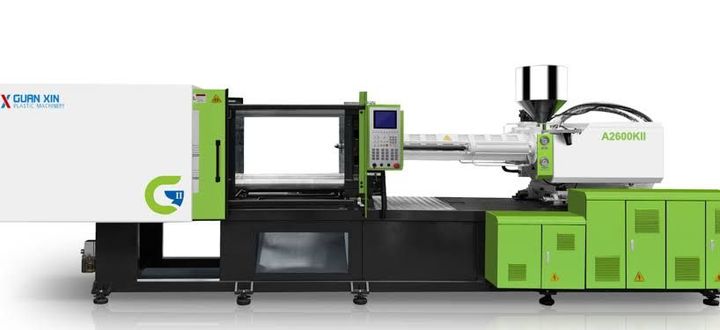
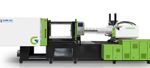
The overall price of an injection molding machine can vary substantially because machines are available in different sizes, drive technologies, clamping-force ranges, injection capacities, automation configurations, and levels of precision.
Manufacturers such as ENGEL currently offer machines ranging from approximately 280 kN to 55,000 kN of clamping force, while Haitian's portfolio extends across both smaller and very large industrial machines.
Therefore, evaluating an injection molding machine requires more than looking at its advertised price. Machine specifications, mold requirements, production volume, energy consumption, automation, installation, maintenance, and application requirements can all influence the overall investment.
This guide explains injection molding machine types, major specifications, pricing factors, technology choices, operating considerations, and industry applications.
What Is an Injection Molding Machine?
An injection molding machine is industrial equipment used to manufacture plastic components by injecting molten material into a mold cavity.
The basic process involves:
-
Plastic material enters the machine.
-
The material is heated and plasticized.
-
The injection unit pushes the molten material into the mold.
-
The mold remains closed while the material cools.
-
The mold opens.
-
The molded component is ejected.
The machine must generate sufficient clamping force to keep the mold closed during injection.
Main Components of an Injection Molding Machine
Injection Unit
The injection unit melts and injects plastic into the mold.
Major components can include:
-
Hopper
-
Barrel
-
Screw
-
Heater bands
-
Nozzle
-
Injection drive
-
Plasticizing mechanism
Clamping Unit
The clamping unit opens and closes the mold and maintains the necessary force during injection.
It can use different mechanical arrangements, including:
-
Toggle systems
-
Two-platen systems
-
Hydraulic systems
-
Servo-hydraulic systems
Control System
Modern machines use electronic control systems to manage:
-
Temperature
-
Injection speed
-
Pressure
-
Screw movement
-
Mold movement
-
Cycle timing
-
Process monitoring
Hydraulic or Electric Drive System
The drive architecture depends on the machine design.
Modern portfolios include hydraulic, hybrid, and all-electric machines.
Types of Injection Molding Machines
Hydraulic Injection Molding Machines
Hydraulic machines use hydraulic systems to generate and control movement.
They have historically been widely used across many plastic-processing applications.
Potential characteristics include:
-
High force capability
-
Broad application range
-
Established technology
-
Availability across different machine sizes
All-Electric Injection Molding Machines
All-electric machines use electric drives for major machine movements.
They can provide:
-
Precise movement
-
Repeatable operation
-
Efficient drive control
-
Reduced hydraulic-system requirements
For example, Haitian's Zhafir Venus range currently covers approximately 400–13,800 kN of clamping force, with injection volumes ranging from 12 to 5,767 cm³.
Hybrid Injection Molding Machines
Hybrid machines combine electric and hydraulic technologies.
This approach can provide a balance between:
-
Precision
-
Energy efficiency
-
Force capability
-
Production flexibility
Servo-Hydraulic Machines
Servo-hydraulic systems use servo drives to control hydraulic functions more efficiently.
Modern servo-hydraulic machines can incorporate advanced controls and energy-management technologies.
Haitian's Mars series, for example, currently spans approximately 600–33,000 kN of clamping force and includes servo-drive technology and smart control features.
Two-Platen Machines
Two-platen machines are designed for applications requiring substantial clamping force while maintaining a relatively compact machine arrangement.
Large two-platen systems are commonly used for large molded components.
Haitian's Jupiter range currently extends from approximately 4,500 to 88,000 kN, illustrating how widely machine scale can vary.
Vertical Injection Molding Machines
Vertical machines can be useful for applications involving:
-
Insert molding
-
Overmolding
-
Specialized components
-
Manual or automated insert placement
Their configuration can provide ergonomic access to the mold area.
Understanding Clamping Force
Clamping force is one of the most important specifications when evaluating an injection molding machine.
It is generally expressed in:
The required clamping force depends on factors such as:
-
Projected part area
-
Injection pressure
-
Material
-
Mold design
-
Number of cavities
-
Safety margin
Selecting insufficient clamping force can create problems such as mold opening or flash.
Selecting significantly more force than necessary can increase machine size and energy requirements.
Injection Capacity
Injection capacity describes how much material the machine can inject under specified conditions.
Important specifications can include:
-
Shot volume
-
Shot weight
-
Injection rate
-
Injection pressure
-
Screw diameter
-
Screw L/D ratio
The appropriate injection capacity depends on the molded component and material.
Screw Diameter
The screw plays a central role in plasticizing and injecting the material.
Screw diameter can influence:
-
Injection capacity
-
Plasticizing performance
-
Injection pressure
-
Material residence time
-
Processing flexibility
Modern machine ranges can cover a very broad spectrum. Haitian's Jupiter machines, for example, list screw diameters from approximately 60 to 300 mm, depending on configuration.
Mold Dimensions
Machine compatibility with the mold is another major consideration.
Important specifications include:
-
Platen dimensions
-
Tie-bar distance
-
Minimum mold height
-
Maximum mold height
-
Maximum daylight
-
Ejector stroke
-
Mold-opening stroke
A machine needs to accommodate the mold physically as well as provide adequate clamping force.
Machine Price Factors
Injection molding machine prices can vary significantly because of several factors.
Machine Size
Larger machines generally require larger structures, drive systems, platens, injection units, and supporting components.
Clamping Force
Higher clamping-force machines generally involve more substantial mechanical systems.
Drive Technology
Hydraulic, hybrid, and all-electric systems have different engineering and component requirements.
Injection Unit
Larger injection units and specialized screw configurations can influence machine pricing.
Control System
Advanced controllers, monitoring systems, process controls, and automation interfaces can affect the overall equipment configuration.
Automation
Additional equipment can include:
-
Robots
-
Part-removal systems
-
Conveyors
-
Material handling
-
Vision systems
-
Automated mold handling
Customization
Special applications can require customized:
-
Injection units
-
Screws
-
Molds
-
Controls
-
Platen configurations
-
Automation interfaces
Production Requirements
Machines designed for high-speed, high-precision, medical, packaging, automotive, or other specialized applications may incorporate additional technologies.
New vs Used Injection Molding Machines
The machine's condition is another major pricing factor.
New Machines
New equipment generally provides:
-
Current technology
-
Manufacturer support
-
New components
-
Modern controls
-
Defined warranty terms
Used Machines
Used equipment can have a lower initial acquisition requirement but requires closer inspection.
Important evaluation points include:
-
Machine age
-
Operating hours
-
Maintenance history
-
Screw and barrel condition
-
Hydraulic condition
-
Electrical system
-
Controller condition
-
Clamping-system wear
-
Available documentation
-
Replacement-part availability
A machine's age alone does not determine its condition.
Machine Specifications to Compare
A useful comparison should include more than clamping force.
| Specification | Why It Matters |
|---|
| Clamping force | Determines mold-closing capability |
| Injection volume | Indicates injection capacity |
| Screw diameter | Influences plasticizing and injection characteristics |
| Injection pressure | Important for filling difficult molds |
| Injection rate | Influences filling speed |
| Platen dimensions | Determines mold compatibility |
| Tie-bar distance | Indicates available mold width |
| Daylight | Determines mold-opening space |
| Ejector stroke | Supports part removal |
| Machine dimensions | Important for factory planning |
| Power requirements | Important for facility infrastructure |
| Controller | Influences operation and process monitoring |
Energy Efficiency
Energy consumption can become an important consideration for machines operating for long production periods.
Electric and servo-hydraulic technologies can incorporate energy-efficient drive systems.
For example, Haitian states that its current Mars Generation 5 platform incorporates electrical charging and reports energy savings of 20–40% under its specified conditions.
Such manufacturer-reported figures should be evaluated in the context of the specific model, application, operating conditions, and baseline used for comparison.
Automation and Robotics
Injection molding machines can be integrated with automation equipment.
Common examples include:
-
Pick-and-place robots
-
Six-axis robots
-
Linear robots
-
Conveyors
-
Vision inspection
-
Automated packaging
-
Material handling systems
Automation can reduce repetitive manual handling and support consistent production workflows.
Smart Injection Molding
Modern injection molding machines increasingly incorporate connected and intelligent control features.
Potential capabilities include:
-
Process monitoring
-
Production data collection
-
Predictive maintenance
-
Remote diagnostics
-
Quality monitoring
-
Automated parameter management
-
Energy monitoring
Haitian's newer machine platforms, for example, include smart features and updated control interfaces.
Industry Applications
Injection molding machines are used across numerous industries.
Automotive
Applications can include:
-
Interior components
-
Exterior components
-
Clips
-
Housings
-
Structural plastic parts
Consumer Electronics
Common applications include:
-
Device housings
-
Connectors
-
Small components
-
Protective enclosures
Packaging
Injection molding is used for products such as:
-
Caps
-
Closures
-
Containers
-
Packaging components
Medical Technology
Plastic molding can produce:
-
Laboratory components
-
Housings
-
Disposable components
-
Medical-device parts
Medical applications may require specialized materials, clean manufacturing environments, validation, and stringent quality controls.
Household Products
Examples include:
-
Storage components
-
Kitchen accessories
-
Appliance components
-
Furniture components
High-Precision Injection Molding
Precision applications can require close control of:
-
Injection pressure
-
Temperature
-
Screw position
-
Mold temperature
-
Cycle time
-
Cooling
-
Clamping
Electric injection systems are often considered for applications where precise movement and repeatability are particularly important.
Large-Part Injection Molding
Large molded components require substantial clamping force and large mold spaces.
Applications can include:
-
Automotive components
-
Industrial housings
-
Large containers
-
Infrastructure components
In March 2026, ENGEL announced a 110,000 kN two-platen machine developed for large-format molded parts with projected areas exceeding 2.5 m², illustrating the continuing expansion of large-part injection molding technology.
Mold Compatibility
The mold is as important as the machine.
Before selecting a machine, manufacturers should evaluate:
-
Mold dimensions
-
Mold weight
-
Number of cavities
-
Required clamping force
-
Runner system
-
Cooling requirements
-
Ejection system
-
Hot-runner requirements
-
Mold-opening distance
Machine and mold specifications need to be considered together.
Material Considerations
Different plastics have different processing characteristics.
Materials can include:
-
Polypropylene
-
Polyethylene
-
ABS
-
Polycarbonate
-
Nylon
-
POM
-
PET
-
Engineering polymers
-
Reinforced polymers
Material selection can affect:
-
Processing temperature
-
Injection pressure
-
Screw design
-
Wear
-
Cooling requirements
-
Cycle time
Some abrasive or reinforced materials may require specialized screw and barrel materials.
Installation Requirements
An injection molding machine requires more than floor space.
Installation planning can include:
-
Electrical supply
-
Cooling water
-
Compressed air
-
Material handling
-
Ventilation
-
Floor loading
-
Machine access
-
Mold-handling equipment
Larger machines can require substantial infrastructure.
Operating Expenses
The purchase price is only one part of the financial picture.
Ongoing operating considerations can include:
-
Electricity
-
Cooling
-
Hydraulic fluids where applicable
-
Preventive maintenance
-
Replacement components
-
Labor
-
Material handling
-
Mold maintenance
-
Automation maintenance
A machine with a lower initial price may not necessarily have the lowest overall operating expense.
Maintenance Requirements
Regular maintenance can help maintain machine performance.
Potential maintenance activities include:
-
Lubrication
-
Hydraulic-system inspection
-
Filter replacement
-
Screw and barrel inspection
-
Electrical inspection
-
Mold-clamping inspection
-
Sensor verification
-
Controller maintenance
Maintenance requirements vary according to machine design and manufacturer recommendations.
How to Evaluate an Injection Molding Machine
A practical evaluation process can follow several stages.
Step 1: Define the Product
Identify:
-
Part dimensions
-
Part weight
-
Material
-
Surface requirements
-
Production volume
Step 2: Evaluate the Mold
Determine:
-
Mold dimensions
-
Number of cavities
-
Mold weight
-
Required clamping force
-
Cooling requirements
Step 3: Select the Machine Type
Compare:
-
Hydraulic
-
Electric
-
Hybrid
-
Servo-hydraulic
-
Vertical
-
Two-platen
Step 4: Compare Specifications
Review injection capacity, clamping force, screw dimensions, platen size, daylight, injection rate, and machine footprint.
Step 5: Evaluate Automation
Determine whether the process requires:
-
Robot handling
-
Inspection
-
Conveying
-
Automated packaging
-
Material handling
Step 6: Review Infrastructure
Confirm electrical, cooling, compressed-air, floor-space, and installation requirements.
Step 7: Consider Lifecycle Factors
Evaluate:
-
Energy consumption
-
Maintenance
-
Spare parts
-
Technical support
-
Training
-
Expected operating life
Common Mistakes
Choosing Only by Machine Price
A lower initial figure does not necessarily represent the most appropriate machine for the application.
Selecting Excessive Clamping Force
Oversizing can increase equipment and infrastructure requirements.
Ignoring Injection Capacity
The injection unit must be suitable for the required shot size and material.
Forgetting Mold Dimensions
A machine may have adequate clamping force but still be incompatible with the mold dimensions.
Ignoring Energy Consumption
For high-utilization production environments, energy requirements can significantly influence long-term operating expenses.
Overlooking Automation
Manual part removal may not be appropriate for high-volume or repetitive applications.
Ignoring Future Requirements
A machine selected only for current production may become restrictive if part sizes, materials, or production volumes change.
Future of Injection Molding Machines
Injection molding technology is moving toward greater automation, connectivity, precision, and energy efficiency.
Emerging developments include:
-
AI-assisted process monitoring
-
Predictive maintenance
-
Connected production systems
-
Advanced servo drives
-
Improved electric injection systems
-
Robotic automation
-
Digital quality monitoring
-
Energy-management systems
-
Larger two-platen platforms
The development of very large machines also demonstrates how injection molding is expanding into increasingly large-format components.
Frequently Asked Questions
What determines the price of an injection molding machine?
Major factors include machine size, clamping force, injection capacity, drive technology, automation, control systems, customization, precision requirements, and manufacturer configuration.
What are the main types of injection molding machines?
The major categories include hydraulic, all-electric, hybrid, servo-hydraulic, two-platen, toggle, and vertical injection molding machines.
What does clamping force mean?
Clamping force is the force used to keep the mold closed during injection. It is commonly specified in kilonewtons or tons.
Are electric injection molding machines more efficient?
All-electric machines can offer efficient electric drive operation and precise movement, but actual energy performance depends on machine design, application, cycle, material, and operating conditions.
How do I determine the appropriate machine size?
Machine selection should consider the part's projected area, mold dimensions, required clamping force, shot size, material, injection requirements, production volume, and available factory infrastructure.
What should I check when evaluating a used machine?
Review its age, operating history, maintenance records, screw and barrel condition, hydraulic or electric systems, controller, clamping mechanism, documentation, and parts availability.
Conclusion
Injection molding machine pricing depends on far more than the physical size of the equipment. Clamping force, injection capacity, machine architecture, drive technology, mold compatibility, automation, control systems, precision, energy requirements, and application requirements all influence the overall investment.
Hydraulic, electric, hybrid, servo-hydraulic, vertical, toggle, and two-platen machines serve different manufacturing requirements. Current machine portfolios demonstrate the enormous range available, from compact machines to systems designed for very large molded components.
For an informed evaluation, manufacturers should begin with the part and mold requirements rather than starting with a machine price. The appropriate machine should provide sufficient clamping force and injection capacity while fitting the mold, production environment, automation system, and facility infrastructure.
Energy efficiency, maintenance, controls, automation, and future production requirements should also be considered because they can influence the long-term economics of a manufacturing operation.
As injection molding continues to adopt smart controls, robotics, connected monitoring, advanced electric drives, and increasingly large machine platforms, understanding specifications and application requirements will remain essential for making informed equipment decisions.
Disclaimer
This article is intended solely for informational and educational purposes. It does not provide engineering, manufacturing, financial, procurement, or equipment-selection advice. It does not endorse, recommend, compare, rank, review, market, or promote any specific injection molding machine manufacturer, model, distributor, or equipment provider. Machine specifications, pricing, energy performance, installation requirements, and operating characteristics vary by manufacturer, configuration, location, material, application, and production conditions. Manufacturer-reported performance figures should be evaluated against the specific machine configuration and operating environment. Qualified engineering and technical professionals should be consulted when selecting, installing, operating, or modifying industrial machinery.