Smart CNC Machines Explained: AI, Automation & Modern Manufacturing
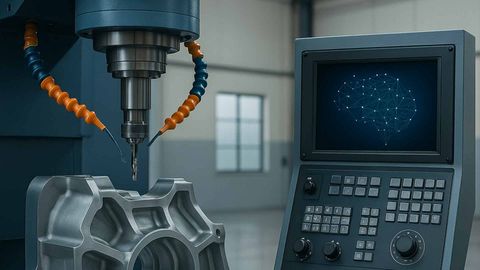
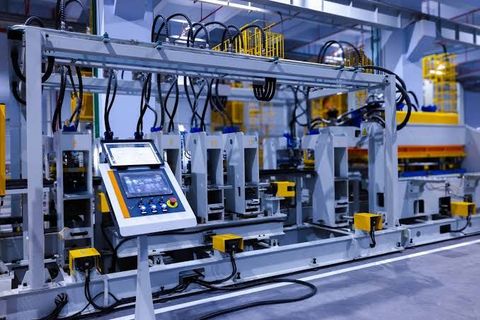
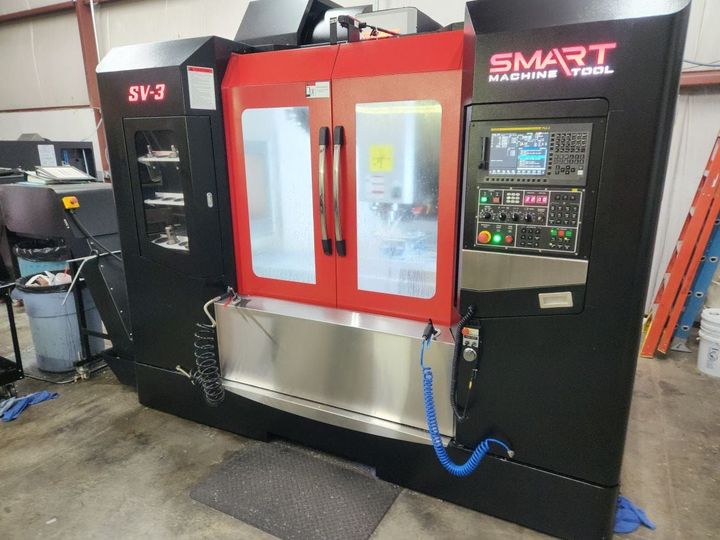
Smart CNC machines represent the next stage in computer numerical control manufacturing. Traditional CNC systems already use programmed instructions to control machining operations, but smart CNC technology adds sensors, connectivity, automation, data analytics, artificial intelligence, and real-time monitoring.
These capabilities allow machines to collect information about machining conditions and use that information to improve process visibility, quality control, equipment monitoring, and production efficiency.
Smart CNC technology is becoming increasingly relevant as manufacturers adopt Industry 4.0 principles and move toward connected production environments.
This guide explains how smart CNC machines work, the role of AI and automation, major components, applications, benefits, challenges, and emerging developments in modern manufacturing.
What Are Smart CNC Machines?
Smart CNC machines are computer-controlled machining systems equipped with additional digital technologies that allow them to monitor, communicate, analyze, and respond to manufacturing conditions.
A conventional CNC machine primarily follows programmed instructions.
A smart CNC system can combine those instructions with information from:
- Sensors
- Machine controllers
- Production software
- Tool monitoring systems
- Industrial networks
- Data analytics platforms
- AI-based software
This creates a more connected machining environment where machine and process information can be monitored in real time.
How Do Smart CNC Machines Work?
A smart CNC workflow typically involves several stages.
Digital Design
A component is first created using computer-aided design software.
CAM Programming
Computer-aided manufacturing software converts the design into machining instructions.
CNC Control
The CNC controller interprets programmed instructions and controls machine movements.
Sensor Monitoring
Sensors collect information about conditions such as:
- Vibration
- Temperature
- Spindle load
- Tool condition
- Motor performance
- Position
Data Processing
Machine data can be analyzed locally or transferred to manufacturing software.
Automated Response
Depending on the system, predefined rules or intelligent algorithms can identify unusual conditions and trigger alerts or adjustments.
Main Components of Smart CNC Systems
CNC Controller
The controller coordinates machine movements and executes programmed machining instructions.
Modern controllers can provide advanced monitoring, communication, diagnostics, and networking capabilities.
Sensors
Sensors provide information about machine and machining conditions.
Common measurements include:
- Temperature
- Vibration
- Spindle load
- Torque
- Position
- Tool wear
- Power consumption
Servo Motors
Servo systems control the movement of machine axes.
Smart monitoring can help identify unusual motor behavior, positioning issues, or performance changes.
Spindle System
The spindle rotates cutting tools or workpieces depending on the machine configuration.
Monitoring spindle speed, load, temperature, and vibration can provide information about machining conditions.
Tool Monitoring
Tool monitoring systems can track tool usage and detect changes associated with wear or potential damage.
Industrial Connectivity
Smart CNC machines can connect to manufacturing networks using industrial communication technologies.
This enables machine data to be shared with:
- Manufacturing execution systems
- Enterprise software
- Quality systems
- Analytics platforms
- Maintenance systems
Role of Artificial Intelligence
AI can analyze large volumes of machine and production data.
Potential applications include:
- Tool-wear prediction
- Anomaly detection
- Process optimization
- Quality prediction
- Predictive maintenance
- Machining parameter analysis
- Energy monitoring
Machine-learning algorithms can identify patterns that may not be immediately visible through conventional monitoring.
AI-Based Tool Wear Monitoring
Cutting tools gradually wear during machining.
Traditional approaches may rely on predetermined replacement intervals or operator inspection.
AI-assisted monitoring can analyze signals such as:
- Vibration
- Cutting force
- Spindle load
- Acoustic emissions
- Temperature
- Power consumption
Patterns in this data can help estimate tool condition.
The objective is generally to identify tool degradation before it causes unacceptable machining results.
Predictive Maintenance
Predictive maintenance uses equipment data to identify conditions that may indicate future machine problems.
A smart CNC system can monitor:
- Bearings
- Motors
- Spindles
- Pumps
- Cooling systems
- Lubrication systems
Instead of relying only on fixed maintenance intervals, manufacturers can use machine-condition information to support maintenance planning.
Automation in CNC Manufacturing
Automation is one of the most important elements of smart machining.
Automated CNC environments can incorporate:
- Robotic loading
- Automated unloading
- Pallet changers
- Tool changers
- Part inspection
- Conveyor systems
- Automated material handling
These systems can allow machining operations to continue with less manual intervention.
Robotics and CNC Machines
Robots can work alongside CNC machines to handle repetitive tasks.
Typical applications include:
- Loading raw material
- Removing finished components
- Moving components between machines
- Tool handling
- Inspection
- Pallet management
Robotic integration can be especially useful in production environments involving repeated component cycles.
Automated Inspection
Smart CNC environments can integrate inspection technologies into production workflows.
Examples include:
- Touch probes
- Laser measurement
- Vision systems
- Coordinate measuring machines
- In-process measurement systems
In-process inspection can help identify dimensional deviations during or immediately after machining.
Digital Twins
A digital twin is a digital representation of a physical machine, process, or manufacturing environment.
For CNC applications, a digital twin can represent:
- Machine movements
- Tool paths
- Machine conditions
- Production processes
- Energy consumption
- Maintenance information
Digital models can be used for simulation, process analysis, training, and optimization.
CNC Machines and Industry 4.0
Smart CNC technology is closely connected with Industry 4.0 manufacturing.
Industry 4.0 systems can integrate:
- CNC machines
- Robots
- Sensors
- Cloud platforms
- Data analytics
- Manufacturing software
- Quality systems
The objective is to create a connected production environment where information can move between machines, systems, and personnel.
Types of Smart CNC Machines
Smart technologies can be applied to different CNC machine categories.
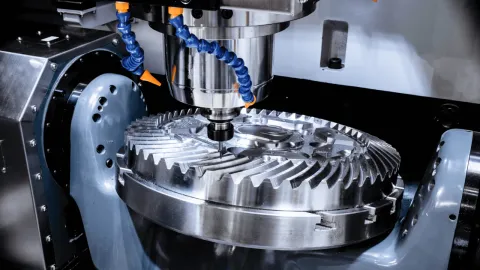
CNC Milling Machines
Smart CNC milling systems can perform operations such as:
- Face milling
- Pocketing
- Contouring
- Drilling
- Threading
Sensors and analytics can monitor machining conditions during production.
CNC Turning Machines
Smart CNC lathes can monitor turning operations involving:
- Shafts
- Cylindrical components
- Threads
- Grooves
- Boring operations
CNC Grinding Machines
Smart grinding systems can use sensors to monitor:
- Grinding forces
- Wheel condition
- Temperature
- Vibration
- Surface-related process signals
CNC Machining Centers
Multi-axis machining centers can combine several operations within one automated production environment.
Smart monitoring can provide visibility into machine performance and tool conditions.
Multi-Axis CNC Machines
Five-axis and other multi-axis systems can manufacture complex geometries.
Smart technologies can support:
- Tool-path monitoring
- Collision avoidance
- Tool condition monitoring
- Process simulation
- Automated inspection
Benefits of Smart CNC Technology
Improved Process Visibility
Sensors provide information about machine and machining conditions that may otherwise be difficult to observe.
Better Quality Monitoring
Real-time measurements can help identify process deviations.
Predictive Maintenance
Machine-condition data can support earlier identification of potential equipment problems.
Reduced Manual Monitoring
Automation can reduce the amount of repetitive observation and handling required.
Improved Production Planning
Connected machine data can provide information about machine status and production progress.
Better Resource Management
Data analytics can help monitor:
- Energy consumption
- Tool usage
- Machine utilization
- Production cycles
- Maintenance requirements
Challenges of Smart CNC Machines
Smart CNC adoption also introduces several challenges.
Integration Complexity
Connecting machines, sensors, software, and existing manufacturing systems can require careful planning.
Data Management
Large volumes of machine data must be stored, processed, and interpreted appropriately.
Cybersecurity
Connected CNC machines can introduce additional cybersecurity considerations.
Manufacturers may need to address:
- Network security
- Access control
- Software updates
- Data protection
- Device authentication
Workforce Skills
Smart manufacturing requires knowledge of machining as well as areas such as:
- Automation
- Data analysis
- Industrial networking
- Machine controls
- Digital systems
Cybersecurity in Smart CNC Manufacturing
As CNC machines become connected to internal networks and external systems, cybersecurity becomes increasingly important.
Potential safeguards include:
- Network segmentation
- Authentication
- Access management
- Secure software updates
- Monitoring
- Backup systems
- User permissions
Cybersecurity planning should consider both operational technology and information technology environments.
Smart CNC Data
A connected machine can generate many types of information.
Examples include:
- Cycle time
- Spindle speed
- Spindle load
- Axis position
- Tool usage
- Vibration
- Temperature
- Energy consumption
- Alarm history
- Machine downtime
Analyzing these data points can provide insights into machine performance and production behavior.
Cloud and Edge Computing
Smart CNC systems can use both cloud and edge computing.
Edge Computing
Data is processed close to the machine.
Advantages can include:
- Low latency
- Rapid responses
- Reduced network traffic
- Local monitoring
Cloud Computing
Data is processed or stored on remote computing infrastructure.
Potential applications include:
- Long-term analytics
- Multi-site monitoring
- Centralized dashboards
- Machine-learning development
- Historical data analysis
Many modern industrial environments can combine edge and cloud technologies.
Energy Monitoring
Smart CNC systems can track energy consumption during production.
Measurements may include:
- Machine power usage
- Spindle energy
- Idle consumption
- Cooling-system energy
- Compressed-air consumption
This information can help manufacturers understand where energy is being used and identify opportunities for operational improvement.
Smart CNC and Sustainable Manufacturing
Digital monitoring can support more resource-efficient manufacturing.
Potential areas include:
- Reduced machine idle time
- Optimized cutting conditions
- Better tool utilization
- Reduced scrap
- Energy monitoring
- Predictive maintenance
Sustainability outcomes depend on how the data and automation systems are implemented.
Applications of Smart CNC Machines
Smart CNC technology can support many manufacturing sectors.
Automotive
Applications include:
- Engine components
- Transmission components
- Brake components
- Steering components
- Precision shafts
Aerospace
Smart CNC systems can manufacture and monitor production of:
- Structural components
- Engine components
- Precision fittings
- Complex machined parts
Medical Manufacturing
CNC systems can be used to manufacture selected:
- Surgical instruments
- Orthopedic components
- Dental components
- Precision medical parts
Electronics
Precision machining can support production of:
- Housings
- Fixtures
- Connectors
- Specialized components
Industrial Equipment
Applications include:
- Gears
- Shafts
- Pumps
- Valves
- Machine components
Smart CNC Workflow
A connected manufacturing workflow can be summarized as:
Design → CAM Programming → CNC Machining → Sensor Monitoring → Data Analysis → Inspection → Quality Feedback
The information generated at each stage can be used to improve visibility across the production process.
Future of Smart CNC Machines
Smart CNC technology is expected to become increasingly integrated with broader manufacturing systems.
Important developments include:
- AI-assisted machining
- Autonomous process adjustment
- Advanced tool-wear prediction
- Digital twins
- Collaborative robotics
- Automated inspection
- Edge computing
- Cloud-based analytics
- Advanced cybersecurity
- Connected factory platforms
The long-term direction is toward manufacturing environments where machines can continuously monitor their operating conditions and provide actionable information to production teams.
Frequently Asked Questions
What is a smart CNC machine?
A smart CNC machine is a computer-controlled machining system enhanced with sensors, connectivity, automation, analytics, and other digital technologies for monitoring and improving manufacturing processes.
How is AI used in CNC machining?
AI can analyze machine and process data for applications such as tool-wear prediction, anomaly detection, quality monitoring, predictive maintenance, and process optimization.
What sensors are used in smart CNC machines?
Common sensors monitor temperature, vibration, spindle load, torque, position, power consumption, and tool condition.
Can CNC machines be automated?
Yes. CNC machines can be integrated with robots, automatic tool changers, pallet systems, material-handling equipment, inspection systems, and production software.
What is predictive maintenance in CNC machining?
Predictive maintenance uses machine-condition data to identify patterns that may indicate developing equipment problems, allowing maintenance activities to be planned based on machine condition.
Are smart CNC machines part of Industry 4.0?
Yes. Smart CNC systems are an important part of Industry 4.0 because they can connect machining equipment with sensors, automation, analytics, robotics, and manufacturing software.
Conclusion
Smart CNC machines combine conventional computer numerical control with sensors, connectivity, automation, artificial intelligence, data analytics, and advanced monitoring technologies. This combination allows manufacturers to gain greater visibility into machining conditions and production performance.
AI can support applications such as tool-wear prediction, anomaly detection, quality monitoring, and predictive maintenance, while robotics and automated inspection can reduce repetitive manual operations. Connectivity also allows CNC equipment to participate in broader Industry 4.0 manufacturing environments.
At the same time, smart CNC adoption requires careful consideration of cybersecurity, data management, workforce skills, system integration, and equipment compatibility.
As manufacturing continues to become more connected and data-driven, smart CNC technology is likely to remain an important component of modern precision manufacturing.
Disclaimer
This article is intended solely for informational and educational purposes. It does not provide engineering, manufacturing, cybersecurity, operational, or professional technical advice. It does not endorse, recommend, compare, rank, review, market, or promote any specific CNC machine manufacturer, software provider, automation company, or technology product. Machine capabilities, specifications, automation features, software compatibility, and operating requirements vary by equipment and application. Technical decisions should be made by appropriately qualified professionals using relevant machine documentation, engineering requirements, and applicable standards.

You May Also Like