Hospital Recovery Beds Explained: Types, Features, Safety, Patient Comfort & Healthcare Insights
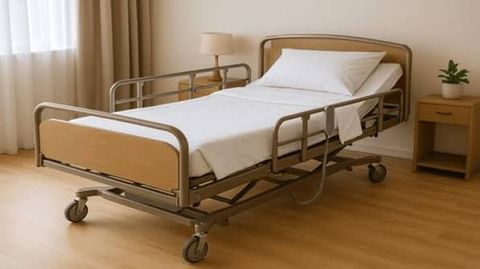
Hospital recovery beds are designed to support patients during the period between active treatment and greater independence. They can be used in recovery rooms, general wards, rehabilitation environments, post-operative care and selected homecare situations.
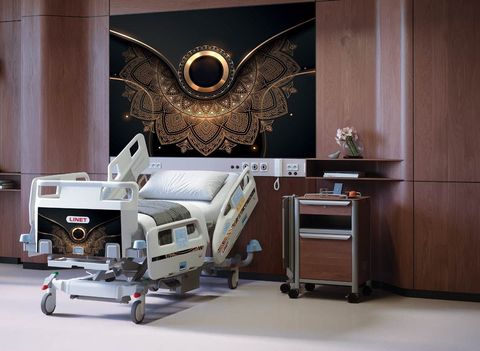
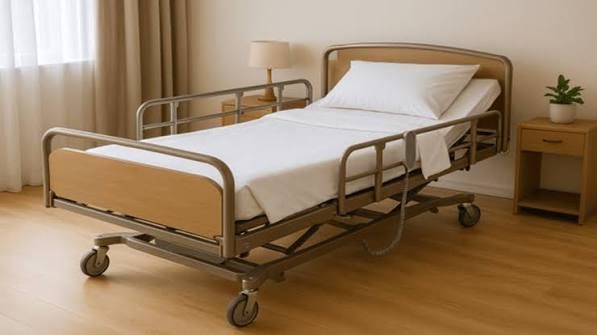
Unlike a simple fixed bed, a modern recovery bed can provide adjustable positioning, height control, side-rail systems, mobility support and compatibility with specialized mattresses. More advanced models can also incorporate sensors, patient-exit alerts, integrated weighing systems and electronic controls.
Recovery is different for every patient. Someone recovering after a procedure may need frequent position changes, while another patient may need support for mobility, pressure management or safe transfers. Consequently, bed design should match the patient's clinical requirements rather than relying on a single configuration.
What Is a Hospital Recovery Bed?
A hospital recovery bed is a medical bed designed to support patients during recovery, observation, rehabilitation or continued clinical care.
Depending on its intended environment, it can include:
- Adjustable backrest
- Adjustable leg section
- Electric height adjustment
- Locking casters
- Side rails
- Patient handset
- Staff controls
- Emergency positioning
- CPR release
- IV-pole attachments
- Drainage-bag holders
- Mattress-support platform
- Pressure-management mattress compatibility
- Patient-exit detection
- Integrated weighing
- Battery backup
The term "recovery bed" can describe several different bed configurations rather than one universal technical category. Hospitals may use general medical beds, post-operative beds, low beds or rehabilitation-oriented systems depending on the patient's needs.
Why Recovery Beds Matter
The recovery period can involve changes in mobility, strength, comfort and independence.
A properly configured bed can help with:
Position Changes
The back and leg sections can be adjusted to support different resting and sitting positions.
Bed Transfers
Height adjustment can help align the bed with a wheelchair, transfer device or standing position when clinically appropriate.
Mobility
A suitable bed height can make it easier for patients to practice sitting, standing and transferring.
Comfort
Adjustable positioning allows patients to find appropriate postures within clinical limitations.
Pressure Management
Patients with limited movement may require pressure redistribution through an appropriate mattress and regular repositioning.
Caregiver Access
Height adjustment can provide better access for examinations and routine patient care.
Main Types of Hospital Recovery Beds
1. Manual Recovery Beds
Manual beds use mechanical controls instead of electric motors.
Typical adjustments may include:
- Backrest
- Leg section
- Bed height
They can be appropriate when a simpler mechanical configuration is sufficient.
2. Semi-Electric Recovery Beds
Semi-electric systems combine powered and manual functions.
For example, the backrest and leg section may be electrically controlled while bed height is adjusted manually.
3. Fully Electric Recovery Beds
Fully electric systems use powered actuators for multiple movements.
Potential adjustments include:
- Overall height
- Backrest
- Knee section
- Leg elevation
- Trendelenburg
- Reverse Trendelenburg
Electronic positioning can make frequent adjustments easier for staff and patients.
4. Post-Operative Recovery Beds
Post-operative beds are designed around the needs of patients following procedures.
Useful features can include:
- Adjustable positioning
- Easy patient access
- Side rails
- Emergency controls
- IV attachments
- Drainage-bag holders
- Pressure-management compatibility
- Easy movement around the facility
The exact configuration depends on the procedure and clinical environment.
5. Low Recovery Beds
Low beds can lower the mattress platform closer to the floor.
They may be appropriate for selected patients who have difficulty transferring or who have increased fall risk.
6. Rehabilitation Beds
Rehabilitation-oriented beds emphasize mobility and independence.
Features can include:
- Height adjustment
- Easy-access controls
- Positioning flexibility
- Mobility support
- Transfer-friendly design
7. Bariatric Recovery Beds
Bariatric beds are designed for patients who require a wider sleeping surface and higher safe working load.
Important characteristics can include:
- Reinforced frame
- Wider mattress platform
- Heavy-duty casters
- Strong positioning mechanisms
- Higher load capacity
The manufacturer's specified safe working load should always be followed.
8. Pediatric Recovery Beds
Pediatric recovery systems are designed around children's size, mobility and safety requirements.
Important considerations include:
- Appropriate side-rail design
- Mattress fit
- Gap dimensions
- Bed height
- Control access
- Safe working load
IEC 80601-2-89:2025 addresses the basic safety and essential performance of medical beds intended for children and adults with atypical anatomy.
9. Homecare Recovery Beds
Some patients continue recovery at home using medical beds with adjustable functions.
Typical features include:
- Electric backrest
- Electric height adjustment
- Side rails
- Hand control
- Locking casters
- Adjustable leg section
Home environments require additional attention to room dimensions, electrical safety, flooring and caregiver access.
Key Features of Hospital Recovery Beds
Adjustable Backrest
An adjustable backrest can help patients move between lying and supported sitting positions.
It can assist with activities such as:
- Eating
- Reading
- Communication
- Respiratory positioning
- Examination
- Rehabilitation exercises
Positioning should follow clinical guidance for patients with specific restrictions.
Adjustable Leg Section
The knee and leg sections can be adjusted independently or together with the backrest.
This can provide:
- Improved positioning
- Support during sitting
- Reduced sliding in selected configurations
- Greater comfort
Electric Height Adjustment
Height adjustment is especially useful during recovery because patients may gradually transition from bed rest to standing and walking.
It can support:
- Transfers
- Sitting at the bedside
- Standing practice
- Caregiver access
- Examination
Side Rails
Side rails can provide hand support and help maintain the patient's position in selected circumstances.
However, they are not automatically appropriate for every patient.
The FDA has documented serious injuries and deaths associated with patients becoming trapped, entangled or strangled in hospital-bed systems. Individualized assessment is therefore important when side rails are used.
Patient Controls
Handheld controls can allow patients to adjust permitted functions.
Typical controls include:
- Backrest
- Leg section
- Bed height
- Nurse-call integration on some systems
Staff Controls
Staff control panels can provide access to additional functions.
These may include:
- Position locking
- Emergency functions
- Trendelenburg
- CPR positioning
- Height control
CPR Release
A rapid-release mechanism can allow the backrest to move quickly toward a flat position during an emergency.
Bed Braking
Reliable brakes help stabilize the bed during:
- Transfers
- Patient repositioning
- Examination
- Bedside procedures
Some systems use individual caster brakes while others use centralized braking.
Mattress Compatibility
The mattress is an important component of the recovery system.
Compatibility can affect:
- Patient support
- Side-rail height
- Entrapment gaps
- Pressure distribution
- Bed articulation
A mattress should therefore be selected according to the bed manufacturer's specifications and the patient's clinical needs.
Patient Comfort During Recovery
Comfort involves more than mattress softness.
A suitable recovery environment can consider:
- Body positioning
- Mattress pressure distribution
- Temperature and humidity
- Ease of movement
- Noise
- Lighting
- Access to controls
- Bed height
- Pillow positioning
- Room environment
Pressure Redistribution
Patients who spend extended periods in bed can experience pressure-related injuries.
Pressure-management approaches can include:
- High-specification foam
- Alternating-pressure air systems
- Low-air-loss surfaces
- Air-fluidized systems
- Hybrid mattresses
AHRQ evidence reviews have supported high-specification foam mattresses over standard hospital foam mattresses for pressure-ulcer prevention in relevant populations.
Temperature Management
Some advanced mattress systems use airflow or specialized materials to help manage the patient's microclimate.
This can be relevant for patients who remain in bed for extended periods.
Positioning for Comfort
Electric adjustment can allow gradual changes in:
- Back angle
- Knee angle
- Overall height
- Bed tilt
Small position changes can sometimes make prolonged bed rest more manageable.
Recovery Bed Safety
Safety should be considered throughout the entire bed system.
Entrapment Prevention
Potential entrapment areas can occur between:
- Mattress and frame
- Mattress and side rail
- Headboard and mattress
- Footboard and mattress
- Side-rail openings
The mattress and accessories should be compatible with the specific bed.
Fall-Risk Considerations
A low bed can reduce the distance to the floor if a patient falls, but fall prevention involves more than bed height.
Other factors include:
- Patient mobility
- Mental status
- Medication effects
- Lighting
- Floor conditions
- Call-bell accessibility
- Staff observation
- Transfer procedures
Anti-Pinch Protection
Powered movement can create pinch points.
Modern systems may incorporate:
- Obstruction detection
- Motor-current monitoring
- Movement limits
- Emergency stops
- Mechanical clearances
Electrical Safety
Powered recovery beds contain electrical and electronic components that require appropriate inspection and maintenance.
IEC 80601-2-52:2026 provides requirements for the basic safety and essential performance of adult medical beds. The standard was published in May 2026 and covers electrical and non-electrical adult medical beds.
Battery Backup
Battery backup can allow selected bed functions to remain available during power interruptions.
Battery condition should be checked according to manufacturer instructions.
Safe Working Load
The safe working load may include more than the patient's body weight.
Depending on manufacturer specifications, the total load can include:
- Patient
- Mattress
- Bed accessories
- Attached equipment
Smart Features in Recovery Beds
Modern recovery beds can incorporate digital technologies.
Patient-Exit Alerts
Sensors can identify movement toward or away from the bed.
Potential alerts include:
- Bed-exit attempts
- Patient movement
- Unexpected position changes
- Prolonged inactivity
AHRQ has investigated sensing technologies capable of detecting patient movement and bed-exit activity.
Occupancy Sensors
Occupancy detection can determine whether a patient is in the bed.
The information may integrate with:
- Nurse-call systems
- Digital dashboards
- Patient-monitoring workflows
- Fall-risk systems
Integrated Weighing
Some advanced beds include load cells that measure patient weight without requiring a separate weighing process.
Potential uses include:
- Tracking weight changes
- Fluid-management assessment
- Nutritional monitoring
- Clinical calculations
Pressure Sensors
Pressure sensors can provide information about how pressure is distributed across a mattress.
This may help support repositioning decisions in appropriate clinical environments.
Wireless Connectivity
Connected beds may communicate with hospital networks and digital platforms.
Potential information includes:
- Bed position
- Occupancy
- Movement
- Weight
- Alarm status
- Battery status
The FDA highlights reliability, electromagnetic compatibility and cybersecurity as important considerations for wireless medical devices.
AI-Assisted Recovery Monitoring
AI can potentially analyze information generated by sensors.
Possible applications include:
- Movement-pattern analysis
- Fall-risk identification
- Inactivity detection
- Bed-use analysis
- Predictive equipment maintenance
AI should be considered a decision-support technology and should not replace appropriate clinical assessment.
Recovery Bed Technologies Comparison
| Feature | Basic Recovery Bed | Electric Recovery Bed | Smart Recovery Bed |
|---|---|---|---|
| Manual adjustment | Yes | Sometimes | Sometimes |
| Electric positioning | No | Yes | Yes |
| Height adjustment | Manual or limited | Electric | Electric |
| Side rails | Optional | Common | Common |
| CPR release | Depending on model | Common in advanced systems | Common |
| Patient-exit detection | No | Optional | Often available |
| Integrated weighing | No | Optional | Available in advanced systems |
| Pressure monitoring | No | Optional | Available in advanced systems |
| Wireless connectivity | No | Optional | Available |
| Digital diagnostics | No | Limited | Advanced systems |
Recovery Beds for Different Patient Needs
Post-Surgical Patients
Important considerations can include:
- Adjustable positioning
- Easy transfers
- IV and drainage attachments
- Side-rail assessment
- Pressure management
Patients With Limited Mobility
Useful features may include:
- Low-height operation
- Height adjustment
- Transfer support
- Appropriate side supports
- Easy-access controls
Patients Requiring Extended Bed Rest
Pressure-management surfaces, repositioning flexibility and mattress compatibility become particularly important.
Older Patients
Considerations may include:
- Fall risk
- Transfer ability
- Bed height
- Side-rail assessment
- Control accessibility
- Mobility support
Pediatric Patients
Bed dimensions, rail configuration, mattress fit and entrapment prevention require particular attention.
Bariatric Patients
The bed should provide an appropriate platform width, structural strength and safe working load.
Rehabilitation Patients
Height adjustment and mobility-oriented design can support progressive transfer and standing activities.
Recovery Beds and Healthcare Workflow
A well-designed recovery bed can support several stages of care.
Admission → Stabilization → Positioning → Observation → Mobility → Transfer → Discharge
At each stage, different bed functions may become important.
During observation, monitoring and positioning can be priorities. During rehabilitation, bed height and mobility support can become more important. During discharge preparation, safe transfers and independence may receive greater attention.
Cleaning and Infection Control
Recovery beds are exposed to frequent patient contact and cleaning procedures.
Important areas include:
- Mattress cover
- Bed rails
- Control handset
- Headboard
- Footboard
- Frame
- Casters
- Adjustment mechanisms
The FDA recommends inspecting mattress covers for damage because compromised covers can allow fluids to reach internal mattress materials.
Cleaning procedures should follow the bed and mattress manufacturer's instructions as well as institutional infection-control protocols.
Maintenance of Recovery Beds
Routine inspection can cover:
- Brake operation
- Caster movement
- Side-rail locking
- Motor operation
- Control-panel function
- Emergency release
- Battery condition
- Electrical cables
- Frame condition
- Mattress cover
- Accessory attachment points
Damaged equipment should be evaluated according to institutional maintenance procedures before further clinical use.
Recovery Beds in India
In India, medical devices are regulated under the Medical Devices Rules, 2017, administered by the Central Drugs Standard Control Organization (CDSCO).
Healthcare institutions evaluating recovery-bed systems can consider:
- Applicable Indian regulations
- Relevant international standards
- Intended clinical application
- Electrical safety
- Safe working load
- Mattress compatibility
- Cleaning procedures
- Maintenance requirements
- Staff training
- Equipment documentation
- Interoperability requirements
Regulatory requirements can change, so current CDSCO notifications and applicable standards should be verified before institutional decisions.
Recent Trends in Recovery Bed Technology
Greater Automation
Electric actuators are becoming more sophisticated, allowing smoother positioning and more precise control.
Sensor Integration
Sensors can monitor movement, occupancy and equipment status.
Connected Healthcare
Beds are increasingly being integrated into broader digital hospital environments.
Mobility-Focused Design
Newer designs increasingly recognize the importance of helping patients transition from lying to sitting and standing.
Predictive Maintenance
Equipment data may help identify developing mechanical or electrical problems.
Better Pressure Management
Mattress systems continue to evolve around pressure redistribution and microclimate management.
Improved Ergonomics
Bed designs increasingly consider both patient comfort and caregiver working posture.
How to Evaluate a Hospital Recovery Bed
1. Identify the Patient Group
Consider whether the bed is intended for:
- Post-operative recovery
- General medical care
- Rehabilitation
- Pediatric care
- Bariatric care
- Older adults
- Home recovery
2. Determine Required Adjustments
Identify whether the environment requires:
- Electric height
- Backrest adjustment
- Leg adjustment
- Bed tilt
- Chair positioning
3. Evaluate Safety
Check:
- Brakes
- Side rails
- Entrapment protection
- Emergency release
- Anti-pinch functions
- Safe working load
4. Assess Mattress Requirements
Determine whether the mattress supports the patient's pressure-management and positioning needs.
5. Check Accessories
Review compatibility with:
- IV poles
- Oxygen equipment
- Drainage bags
- Patient lifts
- Over-bed tables
- Monitoring equipment
6. Review Smart Functions
Determine whether patient-exit detection, weighing, pressure sensing or connectivity are actually required.
7. Review Maintenance
Consider:
- Battery replacement
- Motor inspection
- Electrical testing
- Caster maintenance
- Brake inspection
- Mattress inspection
- Control-system testing
Tools and Resources
Useful resources for recovery-bed management include:
Technical resources
- Manufacturer manuals
- Bed specifications
- Maintenance schedules
- Inspection checklists
- Mattress compatibility guides
Clinical resources
- Fall-risk assessment tools
- Pressure-injury assessment frameworks
- Mobility assessment protocols
- Patient-positioning guidelines
Digital resources
- Equipment-management platforms
- Nurse-call systems
- Asset-management databases
- Connected-device dashboards
Regulatory resources
- CDSCO medical-device information
- FDA hospital-bed guidance
- IEC medical-bed standards
- Institutional safety policies
Common Challenges
Equipment Complexity
More electronic features can increase maintenance requirements.
Staff Training
Users need to understand positioning controls, alarms, emergency mechanisms and safe operating procedures.
Mattress Compatibility
An unsuitable mattress can affect both comfort and safety.
Patient-Specific Requirements
A feature that is useful for one patient may be inappropriate for another.
Connectivity
Connected beds require appropriate network and cybersecurity management.
Maintenance
Mechanical wear, battery degradation and electrical faults can affect performance.
Future of Hospital Recovery Beds
Recovery beds are likely to become increasingly connected with clinical environments.
Potential future developments include:
- Continuous movement monitoring
- Advanced pressure mapping
- Automated repositioning
- AI-assisted risk assessment
- Voice-assisted controls
- Predictive maintenance
- Real-time bed-position reporting
- Improved wireless interoperability
- Digital equipment records
- More efficient battery systems
- Advanced mobility assistance
The long-term direction is toward recovery systems that combine patient support, mobility assistance, sensing and digital communication.
Frequently Asked Questions
1. What is a hospital recovery bed?
A hospital recovery bed is a medical bed designed to support patients during recovery, observation, rehabilitation or continued clinical care. It can provide positioning, height adjustment, mobility support and safety features.
2. Are electric recovery beds better than manual beds?
Electric beds can provide easier and more flexible positioning, but the appropriate choice depends on the clinical environment, patient requirements, safety considerations and available infrastructure.
3. What features are important in a recovery bed?
Important features can include adjustable height, backrest and leg sections, reliable brakes, appropriate side rails, emergency positioning, mattress compatibility and suitable pressure-management capabilities.
4. Can recovery beds detect when a patient leaves the bed?
Some advanced beds incorporate patient-exit or movement sensors. These systems can generate alerts when predefined movement patterns are detected.
5. Why is mattress compatibility important?
The mattress can influence pressure distribution, patient positioning, side-rail height and entrapment gaps. It should be compatible with the specific bed system and appropriate for the patient's needs.
Conclusion
Hospital recovery beds have evolved into flexible medical systems that support much more than basic rest. Electric positioning, adjustable height, specialized mattresses, mobility-oriented designs and safety mechanisms can help create a more adaptable recovery environment.
Advanced systems add technologies such as patient-exit detection, integrated weighing, pressure sensing and wireless connectivity. These capabilities can support clinical workflows when properly integrated with hospital procedures.
The most advanced recovery bed is not necessarily the most appropriate one. Selection should begin with patient requirements and the intended clinical environment, followed by safety, positioning, mattress compatibility, maintenance and applicable standards.
As healthcare becomes more connected and patient recovery increasingly emphasizes mobility and independence, hospital recovery beds are likely to become more intelligent, adaptable and integrated with wider healthcare technologies.
Disclaimer
This article is provided for general educational and informational purposes only. It is not a substitute for clinical judgment, institutional protocols, manufacturer instructions, regulatory guidance or professional medical advice. Hospital-bed technologies, standards and regulatory requirements can change over time. Healthcare institutions should verify current requirements with qualified professionals, manufacturers and relevant authorities before making clinical, technical or procurement decisions. This content is informational only and is not intended for brand promotion, commercial endorsement or sales purposes.