Big Data Analytics Platforms Explained: Architecture, Processing & AI Integration
Modern organizations generate enormous amounts of information through websites, mobile applications, connected devices, financial systems, industrial equipment, and digital platforms. Processing and understanding this information requires technologies capable of handling large datasets, different data formats, and continuous information flows.
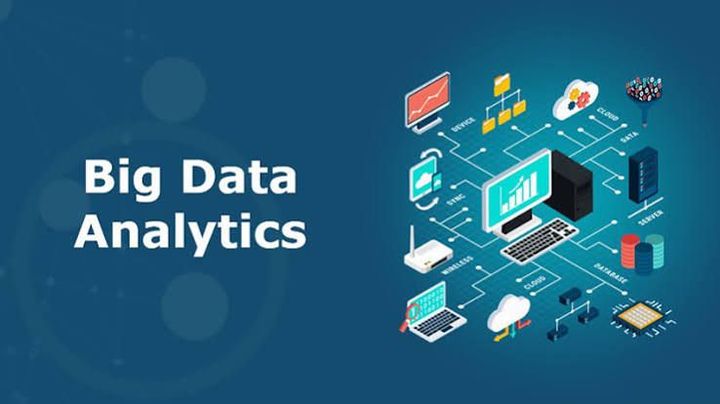
Big data analytics platforms provide an environment for collecting, storing, processing, analyzing, and visualizing large volumes of information. They combine distributed computing, cloud infrastructure, databases, data engineering, machine learning, and artificial intelligence.
These platforms help organizations examine historical records, identify patterns, monitor operations, and understand possible future trends. They are widely used in finance, healthcare, manufacturing, telecommunications, retail, transportation, education, and scientific research.
What Is Big Data Analytics?
Big data analytics is the process of examining large and complex datasets to identify patterns, relationships, trends, and useful information.
Traditional data-processing systems may struggle with datasets that grow rapidly, arrive continuously, or contain different formats. Big data technologies address these challenges through distributed storage, parallel processing, scalable infrastructure, and advanced analytical methods.
Big data is commonly explained through five characteristics known as the five Vs:
Volume: The enormous quantity of information generated and stored.
Velocity: The speed at which information is created, received, and processed.
Variety: The different formats of information, including tables, documents, images, videos, and sensor readings.
Veracity: The accuracy, reliability, and consistency of information.
Value: The meaningful insights that can be obtained through analysis.
Together, these characteristics explain why specialized data architecture and processing technologies are important.
What Are Big Data Analytics Platforms?
Big data analytics platforms are integrated software environments designed to manage and analyze large datasets.
They combine multiple technologies to support the complete data lifecycle, from information collection to analytical reporting.
Common capabilities include:
Large-scale data storage
Distributed data processing
Batch and real-time analytics
Data integration and transformation
Machine learning and AI integration
Data visualization and reporting
Data governance and access management
Automated workflow management
Cloud-based computing and scalability
Some platforms provide complete data environments, while others specialize in particular areas such as data storage, streaming, processing, machine learning, or visualization.
Importance of Big Data Analytics Platforms
Big data analytics platforms help organizations understand information generated across different departments and systems.
Managing Large Datasets
Distributed storage and computing technologies allow large datasets to be divided across multiple systems for efficient processing.
Understanding Complex Patterns
Advanced analytical methods can identify relationships, trends, and unusual activities across extensive datasets.
Supporting Operational Decisions
Organizations can use analytical results to examine production performance, monitor financial activity, and evaluate operational conditions.
Real-Time Information Processing
Streaming technologies process incoming information continuously, supporting applications that require rapid monitoring and analysis.
Integrating Different Data Sources
Platforms can combine information from databases, applications, sensors, cloud environments, and external data sources.
Big Data Analytics Platform Architecture
Big data architecture describes how information moves through a system, from collection and storage to processing, analysis, and presentation.
A typical architecture contains several connected layers.
1. Data Ingestion Layer
The ingestion layer collects information from different sources and transfers it into the analytical environment.
Common sources include:
Relational databases
Enterprise applications
Website activity
Mobile applications
Internet of Things devices
Industrial sensors
Financial systems
Social media information
Log files and digital records
Data may arrive continuously through streaming systems or in scheduled batches.
Reliable ingestion is important because missing, duplicated, or incorrectly formatted information can affect later analytical stages.
2. Data Storage Layer
The storage layer maintains information for processing, reporting, and long-term analysis.
Different storage technologies support different data structures and workloads.
Data lakes: Store large quantities of structured, semi-structured, and unstructured information.
Data warehouses: Organize processed information for reporting, business intelligence, and analytical queries.
Distributed file systems: Store information across multiple computers or storage nodes.
NoSQL databases: Manage certain types of large-scale or flexible data structures that may not fit traditional relational models.
Cloud object storage: Provides scalable storage for files, datasets, backups, and analytical records.
3. Data Processing Layer
The processing layer transforms raw information into usable datasets.
Common activities include:
Data cleaning
Format conversion
Duplicate removal
Data integration
Aggregation
Filtering
Data validation
Feature preparation
Processing can be performed through batch operations or continuous streaming workflows.
4. Analytics Layer
The analytics layer applies statistical methods, data mining, machine learning, and other analytical techniques to processed information.
Common analytical activities include descriptive analysis, diagnostic analysis, predictive modelling, and prescriptive analysis.
This layer helps convert processed datasets into meaningful findings.
5. AI and Machine Learning Layer
The AI layer supports advanced analysis through machine learning, deep learning, natural language processing, and generative AI.
It may be used for forecasting, classification, anomaly detection, recommendation systems, text analysis, and automated report interpretation.
6. Visualization and Reporting Layer
The visualization layer presents analytical findings through dashboards, charts, tables, and reports.
Business users and technical teams can examine performance indicators, compare trends, and monitor operational information.
7. Security and Governance Layer
Security and governance apply across the entire architecture.
They include data access controls, encryption, auditing, data quality management, privacy protection, metadata management, and regulatory compliance.
Major Technologies Used in Big Data Analytics
Big data analytics platforms combine several technologies to manage information at scale.
Apache Hadoop
Apache Hadoop is an open-source framework designed for distributed storage and processing of large datasets.
Its ecosystem includes components such as:
Hadoop Distributed File System for distributed storage
Yet Another Resource Negotiator for resource management
Hadoop MapReduce for distributed data processing
Hadoop is an important technology in the development of big data systems, although many modern environments also use cloud storage and newer processing frameworks.
Apache Spark
Apache Spark is a distributed computing framework used for large-scale data processing and analytics.
It supports batch processing, streaming workloads, SQL operations, and machine learning workflows.
Its capabilities make it useful for applications requiring parallel processing across distributed computing environments.
Apache Kafka
Apache Kafka is a distributed event-streaming platform.
It allows applications and systems to publish, collect, store, and process continuous streams of events.
Common applications include transaction monitoring, operational data collection, application activity analysis, and real-time information pipelines.
Apache Flink
Apache Flink is a distributed processing framework designed for stateful computations over data streams.
It is used for real-time analytics, event processing, and applications that require continuous data analysis.
Apache Hive
Apache Hive provides a data warehouse infrastructure for querying and analyzing large datasets stored in distributed environments.
It supports SQL-like querying, making large-scale data analysis more accessible to users familiar with database technologies.
Apache Airflow
Apache Airflow is an open-source platform used to schedule, coordinate, and monitor data workflows.
It helps manage tasks such as data extraction, transformation, processing, and reporting.
Types of Big Data Processing
Different applications require different processing approaches. The main methods include batch processing, stream processing, and hybrid processing.
1. Batch Processing
Batch processing handles collected information in groups at scheduled intervals.
For example, an organization may process daily transaction records overnight to prepare financial summaries.
Common applications include:
Historical data analysis
Monthly financial reporting
Large-scale data transformation
Periodic inventory analysis
Long-term trend examination
Batch processing is suitable when results do not need to be generated immediately.
2. Stream Processing
Stream processing analyzes information as it arrives.
It is useful when applications require continuous monitoring or rapid responses.
Examples include:
Financial transaction monitoring
Connected-device data analysis
Network activity monitoring
Industrial equipment alerts
Website activity analysis
Streaming systems can process events continuously, but their reliability depends on appropriate architecture, data handling, and failure recovery.
3. Hybrid Processing
Hybrid processing combines batch and stream processing.
Organizations can use streaming systems for recent information while applying batch processing to historical datasets.
This approach supports applications that need both current operational visibility and long-term analytical context.
Cloud-Based Big Data Analytics Platforms
Cloud computing provides storage, processing, databases, and analytical infrastructure through scalable computing environments.
Cloud-based platforms can support large workloads without requiring organizations to maintain every part of the underlying physical infrastructure.
Google Cloud BigQuery
<AsyncImage query="Google Cloud BigQuery analytics console data warehouse interface" aspectRatio="16:9" width="100%" />
<Entity value="Google Cloud BigQuery" category="software" disambig="Cloud data warehouse and analytics platform" /> is a cloud-based data warehouse designed for large-scale analytical queries.
It supports SQL analysis, data integration, and machine learning-related capabilities. It is commonly used for business intelligence, large datasets, and analytical workloads.
Amazon Redshift
<AsyncImage query="Amazon Redshift cloud data warehouse analytics interface" aspectRatio="16:9" width="100%" />
<Entity value="Amazon Redshift" category="software" disambig="Cloud data warehouse platform" /> is a cloud data warehouse platform within the Amazon Web Services ecosystem.
It supports large-scale analytical queries and integration with other data-processing and cloud technologies.
Microsoft Fabric
<AsyncImage query="Microsoft Fabric analytics workspace dashboard interface" aspectRatio="16:9" width="100%" />
<Entity value="Microsoft Fabric" category="software" disambig="Unified data analytics platform" /> provides an integrated environment for data engineering, data science, real-time analytics, data warehousing, and business intelligence.
It connects different analytical activities within a unified platform.
Snowflake
<AsyncImage query="Snowflake cloud data platform worksheet analytics interface" aspectRatio="16:9" width="100%" />
<Entity value="Snowflake" category="software" disambig="Cloud data platform and analytics technology" /> provides cloud-based data storage, processing, sharing, and analytical capabilities.
It supports structured and semi-structured information and can connect with machine learning and AI technologies.
Databricks
<AsyncImage query="Databricks data intelligence platform workspace interface" aspectRatio="16:9" width="100%" />
<Entity value="Databricks" category="software" disambig="Data engineering analytics and AI platform" /> provides an environment for data engineering, distributed processing, machine learning, and AI development.
Its architecture supports large-scale data workloads and collaborative analytical workflows.
AI Integration in Big Data Analytics
Artificial intelligence extends the capabilities of big data platforms by enabling more advanced analysis and automated interpretation.
Machine Learning Integration
Machine learning models can be trained using large datasets to identify patterns, classify information, and generate predictions.
Applications include customer segmentation, demand forecasting, fraud detection, and equipment monitoring.
Deep Learning
Deep learning uses neural networks to identify complex patterns in large datasets.
It is useful for image analysis, speech recognition, text processing, and certain advanced forecasting applications.
Natural Language Processing
Natural language processing enables systems to understand and analyze human language.
In big data environments, it can support document classification, sentiment analysis, text summarization, and conversational data queries.
Generative AI
Generative AI can assist with data exploration, report summarization, query creation, and analytical explanations.
Some platforms combine large language models with enterprise databases and analytical systems so users can explore information through natural language.
Generated results must be verified against source data, particularly when numerical accuracy is important.
Automated Machine Learning
Automated machine learning helps simplify parts of model development, including algorithm selection, training, and evaluation.
It can support analytical teams, but model quality still requires appropriate validation and monitoring.
Applications of Big Data Analytics Across Industries
Big data analytics is used across sectors that generate large volumes of operational, financial, scientific, and customer information.
1. Banking and Financial Analysis
Financial institutions use big data analytics to examine transaction records, monitor unusual patterns, and evaluate financial activity.
Applications include:
Fraud detection
Transaction monitoring
Risk assessment
Financial forecasting
Customer behaviour analysis
Regulatory reporting
2. Healthcare and Medical Research
Healthcare organizations analyze clinical records, medical research datasets, imaging information, and operational records.
Applications include medical image analysis, research data examination, hospital resource planning, disease trend analysis, and population health studies.
Sensitive healthcare information requires strong privacy controls and appropriate professional oversight.
3. Manufacturing and Industrial Operations
Manufacturing environments generate large quantities of information through sensors, machines, production systems, and quality inspections.
Big data analytics can support predictive maintenance, production monitoring, defect identification, energy analysis, and equipment performance evaluation.
4. Retail and Consumer Analytics
Retail organizations examine transaction records, inventory information, website activity, and customer interactions.
Applications include demand forecasting, inventory analysis, customer segmentation, purchasing pattern research, and business performance monitoring.
5. Telecommunications
Telecommunications organizations use analytics to examine network traffic, connection records, equipment performance, and unusual network activity.
These insights can support network planning, capacity management, and infrastructure monitoring.
6. Transportation and Logistics
Transportation systems generate information through vehicle tracking, delivery records, route data, and fleet monitoring.
Big data analytics can help examine traffic patterns, delivery performance, transportation demand, and operational efficiency.
7. Energy and Utilities
Energy organizations analyze electricity consumption, generation records, equipment information, and network conditions.
Applications include demand forecasting, grid monitoring, energy usage analysis, and equipment maintenance planning.
8. Education and Scientific Research
Educational institutions and research organizations use large datasets to examine academic patterns, scientific observations, research results, and institutional performance.
Advanced analytics can support research discovery, statistical modelling, and large-scale data interpretation.
Data Lakes, Data Warehouses, and Lakehouses
Data storage architecture plays an important role in big data environments.
Data Lakes
A data lake stores large amounts of information in its original or minimally processed form.
It can contain structured, semi-structured, and unstructured data. Data lakes are useful when organizations need flexible storage for different analytical workloads.
Data Warehouses
A data warehouse stores organized and processed information designed for reporting and analytical queries.
It commonly supports business intelligence, financial reporting, and structured analysis.
Data Lakehouses
A data lakehouse combines characteristics of data lakes and data warehouses.
It aims to provide flexible data storage alongside structured management, governance, and analytical capabilities.
The appropriate architecture depends on data formats, processing requirements, workload patterns, and organizational needs.
Big Data Analytics Workflow
A typical big data analytics workflow includes several connected stages.
1. Data Collection: Information is gathered from databases, applications, devices, and other approved sources.
2. Data Ingestion: Incoming information is transferred into the analytical environment through batch or streaming methods.
3. Data Storage: Information is maintained in suitable databases, warehouses, data lakes, or distributed storage systems.
4. Data Cleaning: Missing values, duplicate records, inconsistent formats, and other quality issues are examined.
5. Data Processing: Raw information is transformed into datasets suitable for analysis.
6. Data Analysis: Statistical methods, machine learning, and other analytical techniques are applied.
7. AI Model Integration: Suitable models are used for prediction, classification, anomaly detection, or other tasks.
8. Visualization: Results are presented through dashboards, charts, and reports.
9. Monitoring: Data pipelines, security controls, and model performance are reviewed over time.
Benefits of Big Data Analytics Platforms
Big data analytics platforms provide several capabilities for managing and understanding complex information.
Scalability: Distributed computing and cloud infrastructure can support growing data volumes.
Improved data visibility: Information from multiple sources can be examined in a unified analytical environment.
Faster processing: Parallel computing can reduce processing time for suitable workloads.
Advanced pattern detection: Machine learning can identify relationships and unusual activities.
Predictive analysis: Historical information can help estimate future trends.
Operational monitoring: Streaming systems can support continuous analysis.
Research support: Large datasets can be examined using statistical and computational methods.
Automated workflows: Repetitive data-processing activities can be coordinated through scheduled pipelines.
The actual benefits depend on platform design, data quality, technical expertise, and implementation requirements.
Challenges and Limitations
Despite their capabilities, big data systems involve several technical and operational challenges.
Data Quality
Incomplete, outdated, duplicated, or inconsistent information can reduce the reliability of analytical results.
Infrastructure Complexity
Distributed systems require appropriate configuration, monitoring, and maintenance.
Data Security and Privacy
Large analytical environments may contain sensitive information. Access management, encryption, monitoring, and privacy controls are essential.
Integration Difficulties
Combining information from different applications and databases can require extensive data engineering.
Processing and Storage Management
Large workloads may require substantial computing capacity and careful storage planning.
AI Model Reliability
Machine learning models can produce inaccurate predictions when data is unsuitable, assumptions are incorrect, or conditions change.
Governance and Compliance
Organizations must establish clear rules for data ownership, retention, access, and permitted use.
Data Security and Governance
Data governance ensures that information is properly managed throughout its lifecycle.
Important practices include:
Role-based access controls
Data encryption
Identity and permission management
Data classification
Metadata management
Data-quality monitoring
Audit records
Retention and deletion policies
Model monitoring and documentation
In India, organizations handling personal information should consider applicable provisions of the Digital Personal Data Protection Act, 2023, and relevant rules and notifications. Current requirements should be verified through official government publications.
Future Trends in Big Data Analytics
Big data technologies continue to evolve through advances in cloud computing, AI, distributed systems, and data engineering.
Real-Time AI Analytics
Combining streaming technologies with machine learning can support continuous analysis of incoming information.
Generative AI and Conversational Analytics
Natural language interfaces are making it possible for users to ask questions about datasets and receive summaries or analytical explanations.
Data Fabric Architecture
Data fabric approaches aim to connect information across different systems through integrated management, metadata, and data-access technologies.
Edge Computing
Edge computing processes information closer to the devices that generate it. This can support applications that require low latency or local data processing.
Automated Data Engineering
Automation is increasingly being used for data validation, pipeline monitoring, transformation, and workflow management.
Responsible AI and Governance
As AI becomes more integrated into analytical systems, organizations are placing greater emphasis on transparency, privacy, accountability, and model evaluation.
Tools and Resources for Learning Big Data Analytics
People interested in big data technologies can explore several educational resources.
Apache Hadoop documentation: Information about distributed storage and processing.
Apache Spark documentation: Learning resources for large-scale data processing and analytics.
Apache Kafka documentation: Guidance on event streaming and data pipelines.
Google Cloud learning resources: Information about cloud data engineering and BigQuery.
Microsoft Learn: Educational material covering Microsoft Fabric, analytics, and data engineering.
AWS learning resources: Information about cloud data storage and analytical technologies.
Databricks documentation: Guidance on data engineering, machine learning, and AI workflows.
Python documentation: Foundations for data processing and analytical programming.
SQL learning resources: Essential concepts for querying and managing structured information.
Learning database fundamentals, SQL, Python, statistics, distributed computing, and cloud architecture can provide a useful foundation.
Frequently Asked Questions
1. What is a big data analytics platform?
It is a software environment that collects, stores, processes, and analyzes large datasets using distributed computing, databases, analytical tools, and AI technologies.
2. What are the five Vs of big data?
The five Vs are Volume, Velocity, Variety, Veracity, and Value. They describe the quantity, speed, diversity, reliability, and usefulness of information.
3. What is the difference between batch and stream processing?
Batch processing analyzes collected information in groups at scheduled intervals. Stream processing examines incoming information continuously.
4. How is AI integrated into big data analytics?
AI is integrated through machine learning, deep learning, natural language processing, generative AI, and automated modelling to support prediction, classification, pattern recognition, and data interpretation.
5. What is the difference between a data lake and a data warehouse?
A data lake stores different types of information in flexible formats, while a data warehouse generally stores organized information prepared for reporting and analytical queries.
6. Which technologies are commonly used in big data analytics?
Common technologies include Apache Hadoop, Apache Spark, Apache Kafka, Apache Flink, cloud data warehouses, distributed databases, Python, and machine learning frameworks.
7. Which industries use big data analytics?
Finance, healthcare, manufacturing, retail, telecommunications, transportation, energy, education, and scientific research are among the major application areas.
8. What skills are useful for learning big data analytics?
Useful skills include SQL, Python, statistics, database management, cloud computing, data visualization, distributed processing, and machine learning fundamentals.
Conclusion
Big data analytics platforms provide the architecture and technologies needed to manage, process, and understand large and complex datasets. Their systems combine data ingestion, distributed storage, processing engines, analytical tools, visualization, and security management.
Technologies such as Hadoop, Spark, Kafka, cloud data warehouses, and machine learning frameworks support different parts of the analytical lifecycle. AI integration extends these capabilities through prediction, pattern recognition, natural language processing, and automated analysis.
As information volumes continue to grow, big data platforms are becoming increasingly important across industries. Understanding their architecture, processing methods, AI integration, and limitations provides a foundation for exploring modern data engineering and business intelligence.
Disclaimer
This article is intended for general educational and informational purposes only. It does not promote any particular brand, software platform, manufacturer, or commercial transaction. Technology capabilities, software features, security requirements, and data-protection regulations may change over time. Consult official technical documentation and qualified professionals when evaluating data platforms or making important technical and business decisions.