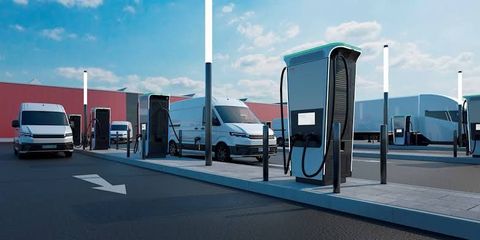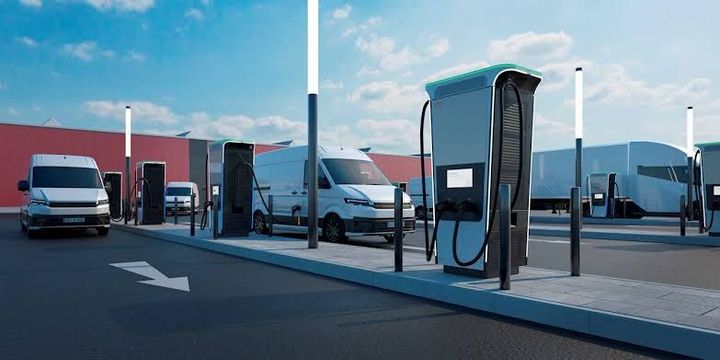
ABB EV Charging Explained: Chargers, Technologies, Features & Electric Vehicle Insights
Electric vehicle charging has become an important part of the transition toward electrified transportation. As electric vehicles become more common, charging infrastructure needs to support different vehicle types, charging speeds, locations, and operational requirements.
ABB is a global technology company active in electrification and automation, with a portfolio that includes electric vehicle charging technologies.
ABB EV charging covers several categories, from AC charging equipment for everyday vehicle charging to high-power DC charging systems designed for faster energy replenishment. The broader ecosystem can also involve connectivity, payment platforms, energy management, load balancing, and fleet-oriented charging.
Understanding the technologies behind ABB EV charging helps explain how modern charging infrastructure works and where different charger categories may fit.
What Is ABB EV Charging?
ABB EV charging refers to the company's range of technologies designed to transfer electrical energy from an electricity supply to electric vehicles.
Depending on the application, charging equipment can be designed for:
- Homes and residential environments
- Workplaces
- Commercial locations
- Public charging networks
- Fleet facilities
- Depots
- High-power transportation applications
The charging process involves much more than delivering electricity. Modern charging equipment can communicate with vehicles, monitor electrical conditions, manage power, record charging information, and interact with digital platforms.
How EV Charging Works
An electric vehicle contains a battery pack that stores electrical energy.
Charging infrastructure connects the vehicle to an electrical supply. The electricity then passes through charging equipment and the vehicle's charging system.
There are two major charging approaches:
AC Charging
Alternating current is supplied to the vehicle, where the onboard charger converts it into the direct current required by the battery.
DC Charging
The conversion from AC to DC takes place within the charging equipment, allowing DC energy to be delivered directly to the vehicle battery under the vehicle's charging-control system.
This is why DC charging equipment can generally support much higher power levels than typical AC charging.
ABB AC Charging
AC charging is commonly associated with longer parking periods.
Typical applications include:
- Residential charging
- Workplace charging
- Hotel and hospitality environments
- Commercial parking
- Fleet parking
AC charging can be suitable when vehicles remain parked for several hours.
Charging performance depends on factors such as:
- Charger output
- Vehicle onboard charger
- Electrical connection
- Battery state of charge
- Ambient conditions
- Vehicle charging limits
ABB DC Fast Charging
DC charging is designed for situations where faster energy replenishment is important.
DC charging systems can provide significantly higher power than conventional AC charging, although the actual charging rate depends on the vehicle and battery system.
DC charging is commonly associated with:
- Public charging stations
- Highway corridors
- Fleet depots
- Commercial facilities
- Long-distance transportation
The charging curve also matters. A vehicle may initially accept high power and gradually reduce charging power as the battery approaches a higher state of charge.
High-Power EV Charging
High-power charging systems are designed to deliver substantial electrical power within relatively short charging sessions.
ABB's portfolio has included high-power charging technologies for applications requiring rapid turnaround.
High-power charging introduces additional engineering requirements involving:
- Electrical capacity
- Thermal management
- Power conversion
- Cable design
- Connector handling
- Site infrastructure
- Grid coordination
The charger is only one part of a high-power charging installation. The electrical infrastructure must also be capable of supporting the required load.
EV Charging Connectors
Different electric vehicles and charging systems can use different connector standards.
Common connector types include:
- Type 1
- Type 2
- CCS
- CHAdeMO
- NACS in relevant markets
The connector determines how the vehicle and charging equipment establish an electrical and communication connection.
Connector availability varies by region and vehicle manufacturer.
Charging Communication
Modern EV charging depends on communication between the vehicle and charging equipment.
Communication can help determine:
- Charging readiness
- Maximum available power
- Battery charging conditions
- Charging status
- Safety conditions
- Session information
Standards such as IEC 61851 define important aspects of conductive charging communication and control.
ISO 15118 and Advanced Charging Communication
ISO 15118 provides communication principles between electric vehicles and charging infrastructure.
Depending on implementation and vehicle compatibility, advanced functions can include:
- Automated identification
- Charging parameter communication
- Smart charging
- Plug & Charge
- Bidirectional charging capabilities
Not every charger, vehicle, or market supports every ISO 15118 feature, so compatibility needs to be checked for a particular configuration.
Smart EV Charging
Smart charging allows charging activity to respond to operational or electrical conditions.
Instead of treating every charger as an independent electrical load, a smart charging system can consider:
- Available power
- Charging demand
- Electricity constraints
- Vehicle schedules
- Site capacity
- Energy management objectives
This becomes particularly useful when multiple EVs charge simultaneously.
Load Management
Large charging installations can create substantial electrical demand.
Load management helps distribute available electrical capacity among connected vehicles.
For example, a site with limited electrical capacity may dynamically allocate available power rather than allowing every charger to operate at its maximum rating simultaneously.
This can help coordinate charging demand with the site's electrical infrastructure.
Dynamic Power Allocation
Dynamic power allocation adjusts charging power according to changing conditions.
Factors may include:
- Number of connected vehicles
- Vehicle battery requirements
- Charger capacity
- Building demand
- Grid limitations
- Charging priorities
This approach can be particularly useful for fleet depots and commercial charging environments.
ABB Charging for Fleets
Fleet electrification introduces different charging requirements from private vehicle charging.
A fleet operator may need to coordinate:
- Vehicle schedules
- Departure times
- Battery state of charge
- Charger availability
- Energy demand
- Operational priorities
Examples include:
- Delivery vehicles
- Company fleets
- Commercial vehicles
- Buses
- Municipal fleets
- Logistics vehicles
Fleet charging therefore often involves software and energy management in addition to physical charging equipment.
Charging Management Software
Modern charging infrastructure can be connected to software platforms.
A charging management platform may provide information such as:
- Charger status
- Charging sessions
- Energy consumption
- User activity
- Equipment availability
- Alerts
- Operational reports
Software connectivity can make it easier to monitor multiple charging points from a central interface.
Remote Monitoring
Connected charging equipment can transmit operational information to a central system.
Remote monitoring may help identify:
- Communication interruptions
- Charging errors
- Equipment status changes
- Power-related events
- Connector issues
- Maintenance conditions
This can reduce the need for manual inspection of every charging point.
Mobile and Digital Interfaces
Some EV charging ecosystems provide digital interfaces through which users can interact with charging infrastructure.
Depending on the implementation, these interfaces may support:
- Charger discovery
- Session initiation
- Charging status
- Energy information
- Session history
The exact features depend on the charging network, software platform, region, and equipment configuration.
Open Charge Point Protocol
Open Charge Point Protocol, commonly called OCPP, is an important communication protocol for EV charging infrastructure.
OCPP enables communication between charging stations and central management systems.
It can support functions related to:
- Charger monitoring
- Session management
- Remote commands
- Configuration
- Diagnostics
- Data exchange
Using recognised communication protocols can improve interoperability between charging equipment and software systems.
Charging Infrastructure and the Electrical Grid
EV chargers ultimately depend on electrical infrastructure.
A charging installation may involve:
Grid → Electrical Distribution → Protection Equipment → Charger → Vehicle
High-power installations may require additional infrastructure such as:
- Transformers
- Switchgear
- Protection systems
- Distribution panels
- Energy meters
- Communication networks
The exact infrastructure depends on charger capacity and site conditions.
Energy Management
Energy management becomes increasingly important as charging demand grows.
A charging system can be coordinated with other electrical loads such as:
- Buildings
- HVAC systems
- Industrial equipment
- Solar generation
- Battery storage
An integrated energy management strategy can help coordinate these different electrical loads.
Solar-Powered EV Charging
Solar photovoltaic systems can be integrated with EV charging infrastructure.
A simplified setup may involve:
Solar Panels → Inverter → Energy Management → EV Charger → Vehicle
Solar generation is variable, so charging systems may need to coordinate charging demand with available generation and other site loads.
Battery Energy Storage and EV Charging
Battery energy storage systems can complement EV charging infrastructure.
A battery system can potentially:
- Store electricity
- Support charging demand
- Reduce peak electrical demand
- Coordinate with renewable generation
- Provide additional flexibility
The effectiveness of such a system depends on battery capacity, charging demand, electrical tariffs, site design, and operating strategy.
Safety Features
EV charging equipment incorporates multiple electrical and communication safety mechanisms.
Depending on the equipment, these can include:
- Overcurrent protection
- Ground-fault or residual-current protection
- Electrical isolation
- Temperature monitoring
- Connector monitoring
- Communication checks
- Emergency shutdown mechanisms
- Enclosure protection
Installation and protection requirements vary by equipment type, electrical system, and local regulations.
Thermal Management
High-power charging produces heat within electrical components, cables, connectors, and power-conversion systems.
Thermal management may involve:
- Air cooling
- Liquid cooling
- Temperature sensors
- Controlled power reduction
- Thermal monitoring
At very high charging power levels, advanced cooling approaches can help manage cable and connector temperatures.
Charging Cable Technology
Charging cables must handle both electrical power and practical physical requirements.
Important characteristics include:
- Current capacity
- Cable length
- Flexibility
- Connector design
- Thermal behaviour
- Mechanical durability
High-current applications may require more advanced thermal management to keep cable temperatures within acceptable limits.
Charging Speed and Battery Size
Charging speed should not be confused with charger power alone.
Actual charging time depends on:
- Battery capacity
- Starting state of charge
- Vehicle charging limit
- Charger output
- Battery temperature
- Charging curve
- Battery-management system
A vehicle connected to a high-power charger does not automatically charge at the maximum rated power of the charger.
Charging Curves
EV batteries generally do not charge at a constant power level throughout an entire session.
A typical pattern may involve:
- Initial charging
- High-power charging phase
- Gradual power reduction
- Lower-power balancing phase
This behaviour helps protect battery systems and manage charging conditions.
Battery Management System
The battery management system, or BMS, monitors and controls important battery parameters.
It can monitor factors such as:
- Voltage
- Current
- Temperature
- State of charge
- Cell conditions
The BMS communicates charging requirements to the vehicle's charging system and helps maintain appropriate battery operating conditions.
Vehicle-to-Grid and Bidirectional Charging
Bidirectional charging allows electrical energy to move in both directions between a vehicle and electrical infrastructure when supported by compatible equipment.
Potential applications include:
- Vehicle-to-grid
- Vehicle-to-home
- Vehicle-to-building
- Energy storage coordination
These technologies require compatible vehicles, chargers, communication protocols, electrical systems, and appropriate grid arrangements.
EV Charging for Commercial Facilities
Commercial facilities may install charging infrastructure for employees, visitors, fleets, or operational vehicles.
Planning may involve:
- Number of charging points
- Parking duration
- Electrical capacity
- User access
- Load management
- Network connectivity
- Future expansion
The right configuration depends heavily on how vehicles use the site.
Public Charging Infrastructure
Public charging networks require a combination of physical and digital infrastructure.
A public charging site may include:
- Charging stations
- Electrical distribution
- Payment or authentication systems
- Network connectivity
- Energy meters
- Monitoring software
- User interfaces
Reliability and interoperability are particularly important because public charging locations may serve different vehicle models and users.
EV Charging and Urban Mobility
Charging infrastructure is becoming part of wider urban transportation planning.
Cities and transport planners may consider:
- Public charging availability
- Parking infrastructure
- Electric buses
- Commercial fleets
- Residential charging
- Grid capacity
- Renewable energy
Charging infrastructure therefore connects transportation planning with electricity-system planning.
Maintenance and Diagnostics
Charging equipment requires ongoing monitoring and technical maintenance.
Potential maintenance areas include:
- Connectors
- Cables
- Cooling systems
- Displays
- Communication hardware
- Power electronics
- Protective equipment
- Network connectivity
Diagnostics can help identify abnormal operating conditions and support preventive maintenance planning.
Common EV Charging Challenges
Several challenges can influence charging infrastructure deployment.
Grid Capacity
High-power charging can create substantial electrical demand.
Interoperability
Different vehicles, connectors, communication protocols, and software systems need to work together correctly.
Charging Reliability
A charging point must maintain dependable communication and electrical operation.
Site Constraints
Available space, parking configuration, electrical infrastructure, and environmental conditions influence system design.
User Experience
Clear instructions, accessible connectors, reliable communication, and transparent session information can improve the charging experience.
How to Evaluate an EV Charging System
A technical evaluation can consider several categories.
Power Requirements
Determine the charging power required for the intended vehicles and operating schedule.
Vehicle Compatibility
Check connector types, vehicle charging limits, and communication compatibility.
Electrical Infrastructure
Assess available grid capacity, distribution equipment, protection, and future expansion requirements.
Connectivity
Evaluate communication options and compatibility with charging-management software.
Scalability
Consider whether additional chargers can be integrated later.
Environmental Conditions
Temperature, humidity, dust, water exposure, and installation environment can influence equipment selection.
Global EV Charging Trends
The global EV charging ecosystem continues to evolve toward higher power, greater connectivity, and smarter energy management.
Major trends include:
- Faster DC charging
- Megawatt-class charging research and deployment
- Smart charging
- Bidirectional charging
- Plug & Charge
- Renewable-energy integration
- Battery storage
- Connected charging networks
- AI-assisted energy management
The International Energy Agency has highlighted continued expansion of both private and public charging infrastructure as electric vehicle adoption grows.
ABB and the Future of EV Charging
The future of EV charging is likely to involve closer integration between vehicles, chargers, buildings, renewable generation, energy storage, and electricity networks.
Technologies such as high-power charging, automated authentication, dynamic load management, bidirectional charging, and connected energy systems can make charging infrastructure increasingly intelligent.
The role of an EV charging system is therefore expanding from simply transferring electricity to becoming part of a broader energy-management ecosystem.
Frequently Asked Questions
What types of EV chargers does ABB provide?
ABB has developed a broad EV charging portfolio covering AC and DC charging technologies, including solutions designed for residential, commercial, public, fleet, and high-power applications.
Is ABB EV charging suitable for fast charging?
ABB has developed DC charging technologies capable of supporting fast and high-power charging applications. Actual charging performance depends on the specific charger, vehicle, battery, electrical infrastructure, and charging conditions.
What is the difference between AC and DC EV charging?
AC charging supplies alternating current to the vehicle, where the onboard charger converts it for battery storage. DC charging performs the primary AC-to-DC conversion within the charging equipment and supplies DC energy to the vehicle battery.
What is smart charging?
Smart charging uses software, communication, and energy-management techniques to coordinate charging according to factors such as available power, vehicle requirements, site demand, and charging schedules.
Can EV chargers work with solar power?
Yes. EV charging infrastructure can be integrated with solar photovoltaic systems and, where appropriate, battery storage and energy-management systems. The actual configuration depends on site design and electrical requirements.
Conclusion
ABB EV charging represents a broad category of technologies spanning AC charging, DC fast charging, high-power charging, connectivity, energy management, and fleet-oriented infrastructure.
The development of modern EV charging is moving toward smarter and more integrated systems. Chargers are increasingly connected to vehicles, software platforms, electrical grids, renewable-energy systems, and battery storage.
Understanding charger types, charging communication, power levels, connectors, safety technologies, load management, and energy integration provides a useful foundation for evaluating the rapidly changing EV charging ecosystem.
Disclaimer
This article is intended for general educational and informational purposes only. Product capabilities, specifications, connector compatibility, charging speeds, software functions, and availability can vary by model, market, vehicle, and installation configuration. Always consult official technical documentation and qualified electrical professionals for specific installation, compatibility, safety, regulatory, or engineering requirements. This content is not intended as brand-specific, promotional, commercial, electrical, engineering, or professional advice.