For temporary interiors, exhibitions, photography projects, celebrations, film productions, hospitality spaces, and interior styling, renting antique or vintage furniture can provide access to distinctive pieces without requiring permanent ownership.
Antique furniture rentals involve more than selecting an attractive table or chair. Factors such as furniture style, age, condition, dimensions, materials, transportation, placement, and preservation can influence the suitability of a piece.
This guide explains antique furniture styles, common furniture categories, rental considerations, interior design ideas, care requirements, and practical ways to create cohesive vintage-inspired spaces.
What Is Antique Furniture?
Antique furniture generally refers to furniture that is significantly old and has historical, artistic, or craftsmanship value. The exact definition of “antique” can vary according to cultural, legal, trade, and industry contexts.
Antique furniture can include:
-
Tables
-
Chairs
-
Cabinets
-
Chests
-
Desks
-
Dressers
-
Sideboards
-
Bookshelves
-
Bed frames
-
Mirrors
-
Decorative furniture
Vintage furniture is related but is not necessarily antique. “Vintage” is commonly used for older furniture associated with a particular period or design era.
Antique vs Vintage Furniture
The terms antique and vintage are sometimes used interchangeably, but they can describe different categories.
Antique Furniture
Antique pieces are generally valued for their age, historical context, craftsmanship, materials, or rarity.
Vintage Furniture
Vintage furniture usually refers to older pieces associated with a recognizable design period or style.
For example, a mid-century modern chair may be described as vintage even though it is considerably newer than furniture traditionally classified as antique.
Reproduction Furniture
Reproduction furniture is newly manufactured furniture designed to resemble historical styles.
For interior design purposes, these categories can look similar, but their age, construction, provenance, and historical significance may differ.
Why Rent Antique Furniture?
Temporary access to vintage-style furniture can be useful for several situations.
Events and Celebrations
Antique furniture can create a distinctive setting for:
-
Weddings
-
Cultural events
-
Private celebrations
-
Formal gatherings
-
Themed occasions
Photography
Vintage furniture can provide visual context for:
-
Editorial photography
-
Product photography
-
Portrait sessions
-
Interior photography
-
Historical-themed projects
Film and Television
Period furniture can help establish a particular historical setting.
Production designers may select pieces based on:
-
Time period
-
Location
-
Character
-
Social setting
-
Interior architecture
Interior Styling
Designers may use selected antique pieces as focal points within otherwise contemporary interiors.
Exhibitions and Displays
Museums, galleries, cultural programs, and educational displays may use period furniture to create historical environments.
Major Antique Furniture Styles
Different furniture periods have distinctive visual characteristics.
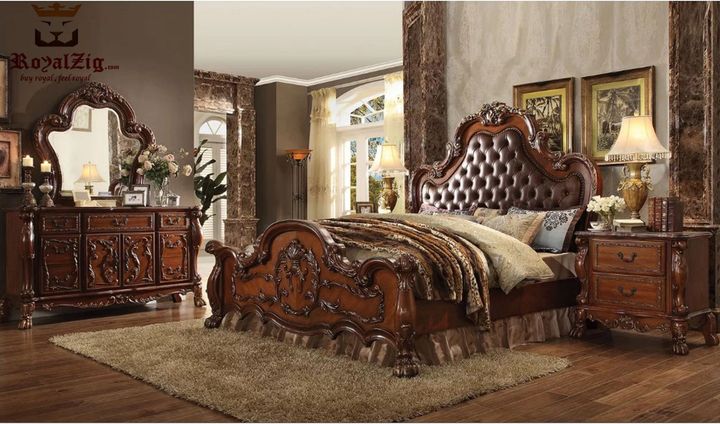
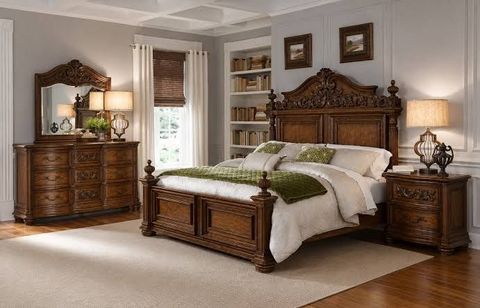
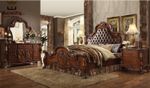
Victorian Furniture
Victorian furniture is associated with the 19th-century Victorian era.
Common characteristics can include:
-
Ornate detailing
-
Dark wood finishes
-
Carved elements
-
Decorative upholstery
-
Elaborate silhouettes
Georgian Furniture
Georgian furniture is often associated with balanced proportions and refined craftsmanship.
Common characteristics include:
-
Symmetry
-
Classical influences
-
Fine woodwork
-
Restrained decoration
-
Elegant proportions
Art Deco Furniture
Art Deco furniture emerged during the early 20th century and is recognized for geometric forms and decorative materials.
Common features can include:
-
Geometric patterns
-
Strong shapes
-
Polished surfaces
-
Contrasting materials
-
Decorative detailing
Mid-Century Modern
Mid-century modern furniture generally emphasizes simplicity and functional design.
Typical characteristics include:
-
Clean lines
-
Simple forms
-
Tapered legs
-
Functional construction
-
Natural or minimal decoration
French Provincial
French Provincial furniture often combines traditional craftsmanship with softer decorative forms.
Common characteristics can include:
-
Curved lines
-
Carved details
-
Painted finishes
-
Decorative hardware
-
Soft proportions
Industrial Vintage
Industrial-inspired furniture often incorporates materials such as:
-
Metal
-
Reclaimed wood
-
Exposed hardware
-
Heavy-duty construction
It can create a contrast between historical character and contemporary spaces.
Common Types of Antique Furniture
Antique Tables
Tables can serve as central elements in dining rooms, event spaces, studies, or display areas.
Types may include:
-
Dining tables
-
Writing tables
-
Console tables
-
Side tables
-
Coffee tables
-
Drop-leaf tables
Antique Chairs
Vintage chairs can add character to dining areas, lounges, offices, and decorative settings.
Examples include:
-
Armchairs
-
Dining chairs
-
Rocking chairs
-
Side chairs
-
Accent chairs
Antique Cabinets
Cabinets can provide both storage and visual interest.
Examples include:
-
Display cabinets
-
China cabinets
-
Storage cupboards
-
Bookcases
-
Curio cabinets
Antique Chests and Dressers
Chests and dressers are often characterized by drawers, decorative hardware, and detailed wood construction.
Antique Desks
Writing desks and executive-style desks can create traditional study or office environments.
Antique Sideboards
Sideboards are commonly associated with dining and formal interiors.
They can be used for:
-
Storage
-
Display
-
Serving areas
-
Decorative arrangements
Antique Mirrors
Decorative mirrors can function as architectural-style focal points.
Frames may feature:
-
Carving
-
Woodwork
-
Metal detailing
-
Decorative finishes
Materials Used in Antique Furniture
Solid Wood
Historical furniture commonly used different varieties of wood depending on geographic region and period.
Potential materials include:
-
Oak
-
Mahogany
-
Walnut
-
Maple
-
Pine
-
Teak
Veneer
Veneer consists of thin layers of wood applied to a supporting structure.
High-quality historical furniture can contain carefully selected veneers arranged into decorative patterns.
Metal
Metal may appear in:
-
Handles
-
Hinges
-
Locks
-
Decorative fittings
-
Structural elements
Upholstery
Chairs and sofas may incorporate fabrics, leather, or other upholstery materials.
The condition of upholstery is particularly important when evaluating older furniture.
How Antique Furniture Changes an Interior
A single antique piece can significantly influence the visual character of a room.
Focal Point
A carved cabinet, ornate mirror, or distinctive table can become the central visual feature.
Historical Contrast
Antique furniture can create contrast against modern architecture and contemporary finishes.
Texture
Older wood, upholstery, metalwork, and decorative surfaces can add visual texture.
Character
Historical pieces can make a room feel more layered and individualized.
Mixing Antique and Contemporary Furniture
Antique furniture does not need to be used exclusively.
A modern interior can combine:
-
Contemporary sofa
-
Antique side table
-
Modern lighting
-
Vintage cabinet
-
Contemporary artwork
The contrast can create a balanced transitional aesthetic.
Creating a Vintage-Inspired Room
A cohesive vintage-inspired room can be developed through several design elements.
Choose a Primary Style
Start with one dominant design direction, such as:
-
Victorian
-
Art Deco
-
Mid-century modern
-
French Provincial
-
Industrial vintage
Select a Focal Piece
Choose one prominent furniture item to establish the visual direction.
Coordinate Materials
Wood, metal, fabric, glass, and decorative finishes should work together.
Consider Proportion
Furniture dimensions should be appropriate for the room.
Avoid Excessive Decoration
Too many decorative historical elements can make a space feel visually crowded.
Antique Furniture for Events
Antique furniture can help establish a particular atmosphere at temporary events.
Possible applications include:
-
Entrance areas
-
Lounge arrangements
-
Stage settings
-
Dining spaces
-
Photo areas
-
Decorative corners
-
Reception areas
Furniture should be selected according to the venue's dimensions, access conditions, and event requirements.
Antique Furniture for Photography
Furniture can provide context and depth in photographs.
Photographers may consider:
-
Background composition
-
Furniture scale
-
Lighting
-
Surface texture
-
Color balance
-
Historical theme
A single antique chair or table can sometimes provide enough visual context without filling the entire scene with period furniture.
Antique Furniture in Film and Themed Productions
Period furniture can help communicate time and place.
Production teams may evaluate:
-
Historical accuracy
-
Furniture style
-
Materials
-
Condition
-
Color
-
Dimensions
-
Scene requirements
Not every old-looking piece is historically accurate for every period, so research can be important when authenticity matters.
Selecting Antique Furniture for Temporary Use
Several factors should be considered before selecting furniture.
Dimensions
Measure:
-
Length
-
Width
-
Height
-
Doorway clearance
-
Stairway access
-
Elevator dimensions
Condition
Inspect:
-
Structural stability
-
Wood condition
-
Upholstery
-
Joints
-
Legs
-
Hardware
-
Surface finish
Style
Ensure the furniture matches the intended interior or event theme.
Color and Finish
Wood tones and upholstery colors can affect the overall visual balance.
Function
Determine whether the piece is intended for:
-
Seating
-
Display
-
Storage
-
Decoration
-
Photography
Furniture Condition and Preservation
Older furniture may require careful handling.
Important considerations include:
-
Avoiding excessive moisture
-
Protecting delicate finishes
-
Preventing scratches
-
Avoiding direct sunlight where appropriate
-
Using suitable lifting methods
-
Protecting upholstery
Furniture should be handled according to its material and condition.
Transportation and Installation Considerations
Large or delicate furniture can require careful transportation planning.
Consider:
-
Packaging
-
Doorway dimensions
-
Staircases
-
Elevators
-
Loading areas
-
Floor protection
-
Placement requirements
Moving heavy furniture incorrectly can damage both the furniture and the surrounding property.
Space Planning
Furniture placement affects both aesthetics and usability.
Before placing antique furniture, consider:
-
Walking paths
-
Door openings
-
Seating arrangements
-
Natural light
-
Electrical equipment
-
Fire exits
-
Accessibility requirements
A visually attractive arrangement should still allow people to move safely through the space.
Lighting and Antique Furniture
Lighting can significantly change how antique furniture appears.
Warm Lighting
Warm lighting can emphasize wood tones and create a traditional atmosphere.
Directional Lighting
Directional lighting can highlight:
-
Carved details
-
Texture
-
Decorative hardware
-
Surface patterns
Natural Light
Natural light can create attractive visual effects but may require consideration of prolonged exposure for sensitive materials.
Antique Furniture and Interior Color
Furniture finishes can influence room color selection.
For example:
-
Dark wood can contrast with lighter walls.
-
Light wood can complement neutral interiors.
-
Decorative upholstery can provide accent colors.
-
Metallic details can coordinate with lighting and hardware.
The objective is generally to create visual balance rather than match every element exactly.
Sustainability Considerations
Reusing existing furniture can contribute to a more circular approach to interior styling.
Older furniture may continue to serve decorative or functional purposes rather than being discarded.
However, the environmental impact of furniture depends on factors such as:
-
Transportation
-
Restoration
-
Materials
-
Maintenance
-
Lifespan
-
Reuse frequency
Sustainability should therefore be evaluated across the entire lifecycle.
Digital Tools for Furniture Planning
Modern interior planning can use digital technologies to visualize furniture arrangements.
Useful tools can include:
-
Room-planning software
-
3D visualization
-
Digital floor plans
-
Augmented-reality applications
-
Measurement tools
These tools can help assess furniture scale and placement before physical installation.
Common Mistakes to Avoid
Ignoring Measurements
A beautiful piece may not fit through a doorway or work well in the intended room.
Mixing Too Many Styles
Combining unrelated furniture styles can create visual inconsistency.
Neglecting Condition
Older furniture should be inspected carefully before placement or use.
Overcrowding the Room
Too many pieces can reduce both visual clarity and usable space.
Ignoring Lighting
Poor lighting can hide furniture details or create unwanted reflections.
Forgetting Access Requirements
Heavy furniture may require advance planning for transportation and placement.
Future of Antique Furniture Styling
Technology is changing how designers and users explore historical furniture.
Emerging approaches include:
-
3D furniture visualization
-
Digital catalogs
-
Virtual room staging
-
Augmented-reality placement
-
AI-assisted interior concepts
-
Digital furniture archives
These tools can help users visualize combinations of historical and contemporary furniture before creating a physical arrangement.
Frequently Asked Questions
What is the difference between antique and vintage furniture?
Antique furniture generally refers to significantly older furniture with historical or craftsmanship significance, while vintage furniture usually refers to older pieces associated with a particular design period.
What types of antique furniture can be used in interiors?
Common categories include tables, chairs, cabinets, desks, dressers, sideboards, mirrors, chests, bookshelves, and decorative furniture.
Can antique furniture work in modern interiors?
Yes. Antique pieces can create contrast and visual character when combined thoughtfully with contemporary furniture, lighting, architecture, and finishes.
What should be checked before using older furniture?
Dimensions, structural stability, upholstery, surface condition, hardware, transportation requirements, and suitability for the intended environment should be considered.
How can antique furniture be protected?
Appropriate handling, careful transportation, protection from excessive moisture, suitable cleaning methods, and consideration of light exposure can help preserve older furniture.
Conclusion
Antique furniture can bring historical character, craftsmanship, texture, and visual depth to a wide range of interiors and temporary environments. From Victorian tables and Georgian cabinets to Art Deco seating and mid-century modern pieces, different furniture periods offer distinct design characteristics.
When antique or vintage furniture is used temporarily, careful planning becomes especially important. Dimensions, condition, transportation, placement, lighting, room proportions, and overall design consistency all influence the final result.
Antique furniture can also work effectively within contemporary interiors. A carefully selected historical piece can serve as a focal point while modern furniture and architectural elements provide balance.
Digital room-planning tools, 3D visualization, augmented reality, and AI-assisted design concepts are also making it easier to explore furniture arrangements before physical placement.
Whether used for an event, photography, production, exhibition, or interior styling project, understanding the history, materials, condition, and design characteristics of furniture can help create a more thoughtful and visually cohesive environment.
Disclaimer
This article is intended solely for informational and educational purposes. It does not provide professional interior-design, conservation, valuation, transportation, or furniture-restoration advice. It does not endorse, recommend, compare, rank, review, market, or promote any specific furniture rental provider, antique dealer, manufacturer, designer, or furniture collection. Definitions of antique and vintage furniture can vary by region and context. Furniture condition, authenticity, historical significance, handling requirements, and suitability should be assessed appropriately for each individual piece and intended use.