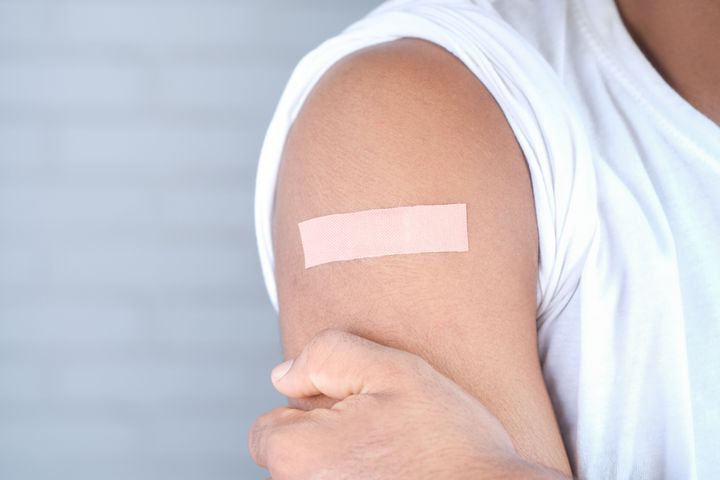
Understanding Vaccines for Adults: Immunization Programs, Health Protection, and Public Health Insights
Vaccination is one of the most widely used public health strategies for helping communities manage and reduce the impact of infectious diseases. While many people associate vaccines with childhood immunization schedules, vaccination also plays an important role throughout adulthood.
Adult immunization programs are designed to support public health initiatives, disease prevention efforts, and population health management. Recommendations can vary based on age, geographic location, occupation, travel requirements, medical history, and public health guidance.
This article provides an educational overview of adult vaccines, immunization programs, and public health concepts. It does not provide medical advice or individualized vaccination recommendations.
What Are Vaccines?
Vaccines are biological preparations developed to help the immune system recognize and respond to specific disease-causing organisms.
In general, vaccines are designed to:
- Support immune system learning
- Promote immune recognition
- Assist disease prevention efforts
- Contribute to population health initiatives
- Support public health programs
Vaccine technologies have evolved significantly through advances in medical research and biotechnology.
Understanding the Immune System
The immune system helps the body identify and respond to various external threats.
Key functions include:
- Detecting foreign substances
- Coordinating immune responses
- Supporting protective mechanisms
- Developing immune memory
- Maintaining overall health defenses
Vaccination programs are based on scientific understanding of immune system function and response.
Why Adult Vaccination Matters
Immunization remains relevant beyond childhood.
Common reasons adult vaccination programs are discussed include:
- Continued disease prevention efforts
- Public health protection
- Occupational requirements
- Travel-related health considerations
- Age-related healthcare planning
- Community health initiatives
Healthcare guidance may vary according to individual circumstances and local public health policies.
Public Health and Immunization Programs
Vaccination programs are often part of broader public health strategies.
Goals may include:
- Reducing disease burden
- Supporting community health
- Limiting disease transmission
- Protecting vulnerable populations
- Strengthening healthcare preparedness
Public health organizations regularly evaluate immunization programs using scientific evidence and epidemiological data.
How Vaccines Are Developed
Vaccine development is a complex scientific process involving multiple stages of research and evaluation.
Common stages may include:
- Laboratory research
- Preclinical investigation
- Clinical studies
- Regulatory review
- Manufacturing processes
- Ongoing monitoring
Development timelines vary depending on scientific, regulatory, and public health considerations.
Vaccine Safety Monitoring
Vaccine safety is an important component of immunization programs.
Safety systems commonly involve:
- Regulatory oversight
- Quality control procedures
- Scientific evaluation
- Adverse event monitoring
- Continuous data analysis
Monitoring activities continue throughout a vaccine's lifecycle.
Adult Immunization Programs Around the World
Many countries maintain adult immunization initiatives as part of national healthcare systems.
Programs may include:
- Routine adult vaccinations
- Occupational immunization requirements
- Travel-related vaccinations
- Seasonal vaccination campaigns
- Public health response programs
Specific schedules and recommendations vary by country and healthcare authority.
Factors Influencing Vaccination Recommendations
Healthcare professionals may consider several factors when discussing immunization.
Examples include:
- Age groups
- Occupation
- Travel plans
- Geographic location
- Medical history
- Public health guidance
Individual recommendations are typically based on professional medical assessment.
Travel and Vaccination Considerations
International travel can introduce unique public health considerations.
Topics often discussed include:
- Destination-specific requirements
- Regional health conditions
- Entry regulations
- Travel health preparation
- Public health advisories
Travel-related vaccination requirements vary among countries and regions.
Vaccination and Community Health
Public health discussions often explore the relationship between vaccination and community-level health outcomes.
Common areas of focus include:
- Disease prevention strategies
- Healthcare system preparedness
- Population health initiatives
- Outbreak management
- Public health planning
These efforts are typically guided by health authorities and scientific organizations.
Vaccine Technologies
Modern vaccine development utilizes multiple scientific approaches.
Examples may include:
- Traditional vaccine platforms
- Protein-based technologies
- Genetic research applications
- Advanced biotechnology methods
- Novel manufacturing techniques
Research continues to advance vaccine science and production methods.
Digital Health and Immunization Records
Healthcare systems increasingly utilize digital technologies for record management.
Examples include:
- Electronic health records
- Digital immunization tracking
- Healthcare portals
- Public health databases
- Mobile health applications
Digital systems may improve accessibility and administrative efficiency.
Global Health Organizations and Immunization
Various health organizations contribute to immunization research, policy development, and public health initiatives.
Examples include:
- World Health Organization
- UNICEF
- Gavi, the Vaccine Alliance
These organizations are mentioned solely for informational purposes and not as endorsements.
Public Health Trends in 2026
Several developments continue influencing immunization programs and vaccine research.
Current trends include:
- Advanced vaccine technologies
- Digital health integration
- Global disease surveillance
- Biotechnology innovation
- Data-driven public health planning
- Expanded healthcare accessibility
- International health collaboration
- Preventive healthcare initiatives
These trends reflect ongoing developments within healthcare and public health systems.
Frequently Asked Questions
What are vaccines?
Vaccines are biological preparations developed to help the immune system recognize specific disease-causing organisms.
Why are vaccines discussed for adults?
Vaccination programs may continue throughout adulthood as part of preventive healthcare and public health initiatives.
How are vaccines monitored for safety?
Safety monitoring may involve regulatory review, scientific evaluation, quality control systems, and ongoing surveillance programs.
Why do vaccination recommendations vary?
Recommendations may differ based on age, occupation, travel plans, health history, and public health guidance.
What role do vaccines play in public health?
Vaccines are commonly discussed as one component of broader disease prevention and public health strategies.
Conclusion
Adult vaccination programs represent an important aspect of modern public health and preventive healthcare. Through scientific research, regulatory oversight, healthcare planning, and ongoing monitoring, immunization initiatives continue contributing to disease prevention efforts and population health strategies worldwide.
Understanding vaccine development, public health programs, immunization concepts, and healthcare systems can help individuals gain greater insight into the role vaccines play within modern healthcare and community health planning.
Disclaimer
This article is intended solely for informational and educational purposes. It does not provide medical, diagnostic, treatment, vaccination, pharmaceutical, public health, or professional healthcare advice. It does not endorse, recommend, compare, rank, review, or promote any vaccine, medical product, healthcare provider, treatment, or immunization program. Readers should consult qualified healthcare professionals, licensed medical practitioners, and official public health authorities regarding vaccination decisions