Jump to a Chapter

Understanding Colour Blocking: Fashion Styling Techniques and Outfit Design Insights

Understanding Colour Blocking: Fashion Styling Techniques and Outfit Design Insights

Fashion is often described as a form of visual expression, and colour plays a central role in how clothing communicates style, mood, and personality. Among the many styling approaches used in modern fashion, colour blocking remains one of the most recognizable and creative techniques

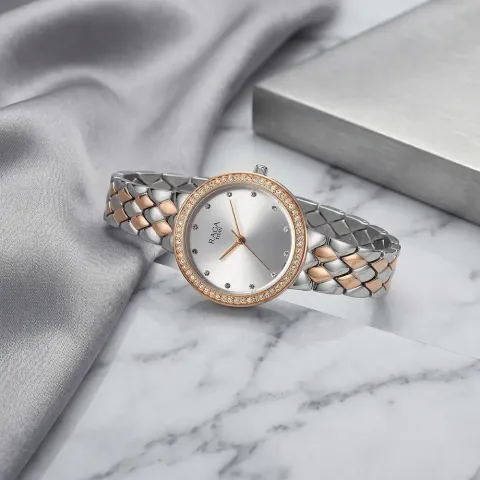
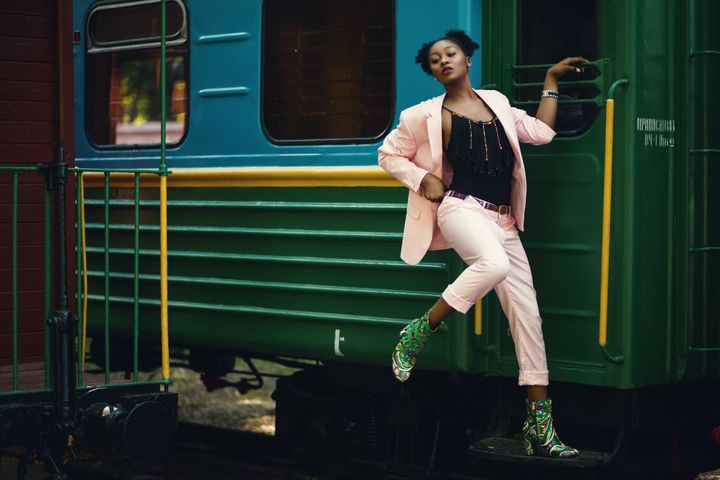
Colour blocking involves combining distinct colours within a single outfit to create contrast, visual interest, and a bold aesthetic statement. The technique has influenced runway collections, streetwear trends, professional attire, and everyday wardrobes across different fashion eras.

This article explores the principles, styling concepts, and design insights behind colour blocking from an educational perspective. It does not promote specific brands, products, or fashion purchases.

What Is Colour Blocking?

Colour blocking is a fashion styling technique that combines large sections of different colours within a single outfit.

Rather than relying on patterns or prints, colour blocking focuses on the visual relationship between solid colours.

Characteristics commonly associated with colour blocking include:

  • Strong colour contrasts
  • Distinct colour sections
  • Visual balance
  • Bold styling choices
  • Creative outfit composition

The approach can be applied to clothing, footwear, accessories, and overall wardrobe styling.

The Origins of Colour Blocking

Colour blocking has roots in art, design, and fashion history.

The concept became particularly associated with:

  • Modern art movements
  • Geometric design principles
  • Mid-century fashion trends
  • Contemporary runway collections

Over time, designers adapted colour blocking into various forms, making it a recurring trend within the fashion industry.

Why Colour Blocking Remains Popular

Colour blocking continues to attract attention because it allows individuals to experiment with colour while creating visually distinctive outfits.

Common reasons for its popularity include:

  • Personal expression
  • Creative styling opportunities
  • Versatility
  • Visual impact
  • Adaptability to different fashion aesthetics

The technique can be interpreted in both subtle and dramatic ways.

Understanding the Colour Wheel

Many colour-blocking discussions begin with the colour wheel, a visual tool used to understand colour relationships.

Key colour categories include:

  • Primary colours
  • Secondary colours
  • Tertiary colours

Understanding these relationships can help explain why certain colour combinations appear harmonious or striking.

Complementary Colour Combinations

Complementary colours sit opposite one another on the colour wheel.

Examples often include:

  • Blue and orange
  • Red and green
  • Yellow and purple

These pairings are known for creating strong visual contrast and attention-grabbing combinations.

5

Analogous Colour Blocking

Analogous colours are positioned next to each other on the colour wheel.

Examples may include:

  • Blue, teal, and green
  • Yellow, orange, and red
  • Purple, blue, and violet

These combinations often create a more coordinated and softer visual appearance.

Monochromatic Colour Styling

Some interpretations of colour blocking use multiple shades of a single colour family.

Examples include:

  • Light blue with navy
  • Beige with camel
  • Soft gray with charcoal

Monochromatic approaches can create a sophisticated and cohesive aesthetic.

Balancing Bold Colours

Successful colour blocking often relies on balance.

Common considerations include:

  • Colour intensity
  • Visual proportion
  • Outfit structure
  • Fabric texture
  • Accessory coordination

Balancing colours can help maintain visual harmony within an outfit.

Neutral Colours in Colour Blocking

Neutral colours are frequently incorporated to soften or support brighter tones.

Examples include:

  • White
  • Black
  • Beige
  • Gray
  • Cream

Neutrals can act as visual anchors within a colour-blocked outfit.

Colour Blocking and Different Clothing Categories

The technique can be applied across many wardrobe pieces.

Examples include:

Tops and Bottoms

  • Contrasting shirts and trousers
  • Coordinated colour combinations
  • Structured visual separation

Dresses

  • Multi-colour panel designs
  • Geometric colour arrangements
  • Modern silhouette enhancement

Outerwear

  • Jackets with contrasting sections
  • Layered colour combinations
  • Seasonal styling variations

Accessories

  • Bags
  • Scarves
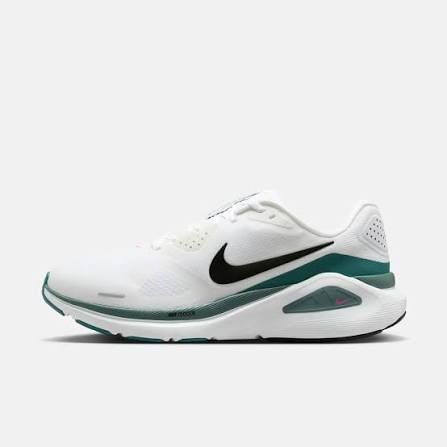
  • Footwear
  • Belts
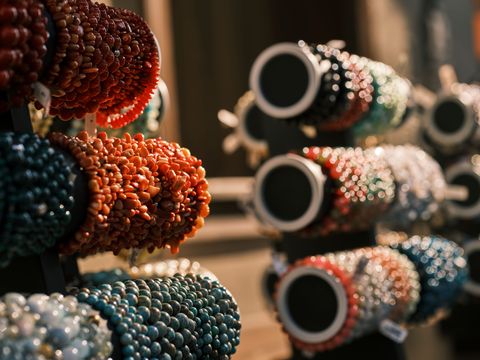
  • Jewelry accents

Accessories can introduce additional colour-blocking elements without dominating an outfit.

Colour Blocking for Professional Wear

Colour blocking is not limited to casual fashion.

Professional styling may incorporate:

  • Muted colour combinations
  • Structured tailoring
  • Balanced contrast
  • Refined colour palettes

The level of contrast often depends on workplace dress expectations and personal preferences.

Seasonal Colour Blocking Approaches

Fashion colour choices often change with seasonal trends.

Examples include:

Spring and Summer

  • Bright colours
  • Pastel combinations
  • High-contrast styling

Autumn and Winter

  • Earth-inspired tones
  • Deep jewel colours
  • Rich neutral combinations

Seasonal interpretations vary according to fashion trends and regional influences.

Fabric and Texture Considerations

Colour is only one element of outfit design.

Additional factors include:

  • Fabric texture
  • Material finish
  • Garment structure
  • Visual weight
  • Surface appearance

Texture can significantly influence how colours are perceived.

Common Colour Blocking Mistakes

Fashion discussions often highlight several common challenges.

Examples include:

  • Excessive colour variety
  • Lack of visual balance
  • Ignoring colour relationships
  • Overuse of highly saturated tones
  • Uncoordinated accessories

Understanding basic colour theory may help improve styling outcomes.

Colour Blocking and Personal Style

Colour blocking is highly adaptable.

It can align with:

  • Minimalist fashion
  • Contemporary streetwear
  • Business casual styling
  • Artistic fashion expression
  • Luxury-inspired aesthetics

The technique allows individuals to explore colour in ways that reflect personal preferences.

8

Fashion Trends in 2026

Several developments continue influencing colour-focused fashion design.

Current trends include:

  • Bold colour experimentation
  • Sustainable fashion collections
  • Tonal dressing
  • Contemporary tailoring
  • Gender-neutral styling
  • Digital fashion inspiration
  • Artistic colour combinations
  • Statement wardrobe pieces

These trends demonstrate the ongoing relevance of colour within fashion design.

Frequently Asked Questions

What is colour blocking in fashion?

Colour blocking is a styling technique that combines distinct solid colours within a single outfit to create contrast and visual interest.

Do colour-blocked outfits require bright colours?

No. Colour blocking can involve bold colours, muted tones, neutrals, or monochromatic combinations.

What colours work best together?

There is no universal answer. Many stylists explore complementary, analogous, or monochromatic colour relationships.

Can colour blocking be used in professional clothing?

Yes. Many professional wardrobes incorporate colour-blocking techniques through tailored garments and balanced colour palettes.

Is colour blocking still fashionable?

Colour blocking continues to appear in fashion collections, streetwear trends, and contemporary styling discussions.

Conclusion

Colour blocking remains one of fashion's most creative and visually engaging styling techniques. By combining distinct colours through thoughtful design principles, individuals can create outfits that range from subtle and sophisticated to bold and expressive.

Understanding colour relationships, visual balance, texture integration, and styling fundamentals can help fashion enthusiasts appreciate how colour blocking continues to influence modern wardrobe design and personal style expression.

Disclaimer

This article is intended solely for informational and educational purposes. It does not provide fashion consulting, styling, commercial, retail, purchasing, or professional design advice. It does not endorse, recommend, compare, rank, review, market, or promote any clothing brand, retailer, designer, product, or fashion service. Readers should consider personal preferences, professional requirements, cultural considerations, and individual style goals when making wardrobe and fashion-related decisions.


author-image

Ravi Shankar Maurya

We create purposeful content that speaks, resonates, and drives action.

June 17, 2026 . 8 min read