Surgical items are not limited to scalpels and forceps. A modern operating environment may involve instruments for cutting and grasping, equipment for monitoring and anesthesia, sterile drapes and gowns, sutures, suction systems, electrosurgical equipment, imaging technology and many other supporting products.
The World Health Organization classifies surgical and laboratory instruments, single-use devices, medical equipment and personal protective equipment among the broad categories of medical devices used in healthcare.
Understanding these categories makes it easier to see how different surgical items contribute to preparation, intervention, patient monitoring, infection prevention and postoperative care.
1. What Are Surgical Items?
Surgical items are the instruments, equipment, supplies and supporting medical devices used during surgical procedures and related operating-room activities.
They can generally be divided into several groups:
-
Surgical instruments
-
Operating-room equipment
-
Sterile supplies
-
Surgical consumables
-
Patient-monitoring equipment
-
Anesthesia equipment
-
Electrosurgical equipment
-
Suction and fluid-management equipment
-
Protective equipment
-
Sterilization and instrument-processing supplies
The exact combination depends on the procedure, specialty, facility and clinical protocol.
2. Major Categories of Surgical Items
A useful way to understand surgical items is to group them according to their primary function.
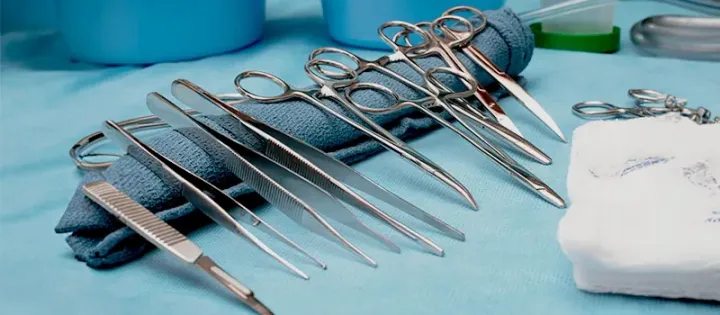
Cutting and Dissecting Instruments
These instruments are designed for cutting, separating or dissecting tissue.
Examples include:
-
Surgical scalpels
-
Surgical scissors
-
Dissection knives
-
Specialized cutting instruments
Different procedures require different shapes, sizes and configurations.
Grasping and Holding Instruments
These instruments help clinicians hold tissue or other materials.
Examples include:
-
Tissue forceps
-
Dressing forceps
-
Surgical clamps
-
Needle holders
-
Specialized graspers
The design can vary depending on whether delicate or firm tissue handling is required.
Retracting Instruments
Retractors help maintain access and visibility within the surgical field.
They may be:
-
Hand-held
-
Self-retaining
-
Procedure-specific
The appropriate design depends on the surgical approach and anatomical area.
Clamping Instruments
Clamps can be used for controlled handling of vessels, tissue or other structures.
Examples include:
-
Hemostatic clamps
-
Vascular clamps
-
Intestinal clamps
-
Specialized surgical clamps
Their design and application differ according to the procedure.
3. Common Surgical Instrument Functions
Rather than memorising individual instrument names, it can be useful to understand their basic functions.
| Function | Examples |
|---|
| Cutting | Scalpels, scissors |
| Grasping | Forceps, graspers |
| Clamping | Hemostatic and vascular clamps |
| Retracting | Hand-held and self-retaining retractors |
| Suturing | Needle holders |
| Suction | Surgical suction instruments |
| Visualization | Procedure-specific scopes |
| Tissue handling | Specialized forceps and graspers |
This functional approach helps explain why surgical instrument sets vary significantly between specialties.
4. General Surgical Instruments
General surgical sets may contain instruments used across a variety of procedures.
Common categories include:
-
Scalpels
-
Scissors
-
Forceps
-
Needle holders
-
Retractors
-
Clamps
-
Suction instruments
WHO emergency surgery resources also organise surgical instruments into procedure-related sets, including general, orthopaedic and specialised surgical categories.
5. Specialty-Specific Surgical Instruments
Different surgical specialties require specialised instruments.
Orthopaedic Surgery
May involve instruments designed for:
-
Bone preparation
-
Cutting
-
Drilling
-
Fixation
-
Implant placement
-
Bone manipulation
Ophthalmic Surgery
Requires small, highly precise instruments designed for delicate structures.
Cardiovascular Surgery
May involve specialised instruments for vascular and cardiac procedures.
Neurosurgery
Uses precision instruments designed for highly delicate anatomical structures.
ENT Surgery
Can involve specialised instruments for the ear, nose and throat.
Gynecological Surgery
May require procedure-specific instruments for examination, tissue handling and surgical intervention.
The instruments used should always correspond to the procedure and clinical protocol.
6. Surgical Consumables
Surgical consumables are items intended for limited or single-use applications, depending on the product and manufacturer's instructions.
Examples can include:
-
Surgical gloves
-
Masks
-
Sterile gowns
-
Drapes
-
Gauze
-
Surgical sponges
-
Sutures
-
Syringes
-
Needles
-
IV components
-
Skin-preparation materials
-
Medical tapes
WHO's priority medical-device lists include sterile surgical gloves, masks, gowns, drapes, gauze, sutures, syringes, cannulas and other operating-room supplies.
7. Surgical Sutures
Sutures are materials used to approximate tissue during surgical procedures.
They can be classified in several ways.
Absorbable Sutures
Designed to break down within the body over time.
Non-Absorbable Sutures
Designed to remain for longer periods and may require removal depending on the application.
Monofilament Sutures
Made from a single strand.
Multifilament Sutures
Made from multiple strands.
Suture selection depends on factors such as tissue type, procedure, healing requirements and clinician preference.
8. Surgical Drapes and Gowns
Sterile drapes help establish and maintain an appropriate operative field.
Surgical gowns provide protective barriers for healthcare personnel.
These products may be:
-
Disposable
-
Reusable
-
Sterile
-
Procedure-specific
Appropriate selection depends on the procedure and infection-prevention protocol.
9. Surgical Gloves
Surgical gloves provide a sterile barrier between the surgical team and the operative environment.
Important considerations include:
-
Sterility
-
Material
-
Size
-
Fit
-
Barrier characteristics
-
Intended procedure
-
Compatibility with other protective equipment
Healthcare facilities should follow applicable infection-prevention policies and product instructions.
10. Operating Room Equipment
Surgical instruments are only one part of an operating environment.
Other important equipment can include:
-
Operating tables
-
Surgical lights
-
Anesthesia systems
-
Patient monitors
-
Suction systems
-
Electrosurgical units
-
Surgical microscopes
-
Endoscopy systems
-
Medical gas systems
-
Infusion equipment
WHO notes that medical equipment selection should take into account the healthcare facility, available workforce, clinical requirements and infrastructure.
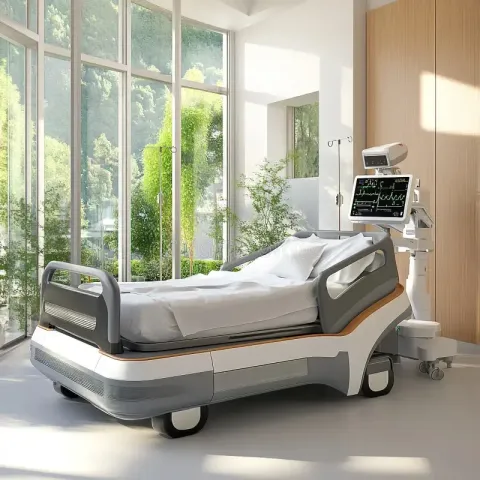
11. Operating Tables
An operating table supports patient positioning during a procedure.
Modern tables can provide features such as:
-
Height adjustment
-
Position adjustment
-
Trendelenburg positioning
-
Procedure-specific accessories
-
Radiolucent sections in selected configurations
-
Weight-capacity considerations
The appropriate configuration depends on the surgical specialty and procedure.
12. Surgical Lighting
Surgical lighting is designed to provide appropriate illumination of the operative field.
Important characteristics can include:
-
Light intensity
-
Colour rendering
-
Shadow management
-
Adjustable positioning
-
Sterile-field compatibility
-
Energy efficiency
Good lighting helps the surgical team visualise the operative area.
13. Anesthesia Equipment
Anesthesia equipment supports the delivery and monitoring of anesthesia during applicable procedures.
Common components may include:
-
Anesthesia machines
-
Ventilators
-
Breathing circuits
-
Oxygen-delivery equipment
-
Airway devices
-
Suction systems
-
Monitoring equipment
WHO's surgical equipment resources include anesthesia systems, oxygen equipment, breathing circuits, airway devices and patient-monitoring equipment among operating-theatre requirements.
14. Patient Monitoring Equipment
Patient monitoring is an important part of perioperative care.
Depending on the procedure and clinical requirements, monitoring equipment can include:
-
ECG monitoring
-
Pulse oximetry
-
Blood-pressure monitoring
-
Temperature monitoring
-
Capnography
-
Other specialised monitoring systems
The appropriate monitoring approach depends on patient condition, procedure type and clinical protocol.
15. Electrosurgical Equipment
Electrosurgical systems use electrical energy for specific surgical applications such as tissue cutting or coagulation.
They can include:
-
Electrosurgical generators
-
Active electrodes
-
Return electrodes
-
Procedure-specific accessories
Proper operation requires trained personnel and adherence to equipment instructions and clinical safety protocols.
16. Surgical Suction Systems
Suction equipment can help remove:
-
Blood
-
Fluids
-
Irrigation material
-
Other unwanted material from the operative field
A typical system can involve:
Suction Source → Tubing → Collection Container → Suction Instrument
Capacity, tubing configuration and procedure-specific requirements vary.
17. Endoscopic and Minimally Invasive Instruments
Minimally invasive procedures use specialised equipment that allows clinicians to operate through small access points.
Examples include:
-
Endoscopes
-
Laparoscopic instruments
-
Camera systems
-
Trocars
-
Graspers
-
Specialized scissors
-
Energy devices
These systems combine instruments with visualization technology and require specialised training.
18. Surgical Imaging Technology
Some procedures use imaging technology to improve visualisation and guidance.
Examples include:
-
Surgical microscopes
-
Endoscopic imaging
-
Fluoroscopy
-
Ultrasound
-
Image-guided navigation systems
The technology selected depends heavily on the procedure and clinical specialty.
19. Sterilization of Surgical Instruments
Sterilization is a fundamental component of safe surgical instrument processing.
The CDC states that steam is the preferred sterilization method for critical medical and surgical instruments that are not damaged by heat, steam, pressure or moisture. Heat- or moisture-sensitive items may require appropriate low-temperature sterilization technologies.
Sterilization is not simply about placing an instrument inside a sterilizer.
The overall process can involve:
Cleaning → Inspection → Preparation → Packaging → Sterilization → Monitoring → Storage
20. Cleaning Comes Before Sterilization
Effective sterilization depends on appropriate cleaning.
Organic and inorganic materials should be removed before sterilization because residual contamination can interfere with the process. The CDC identifies cleaning as an essential part of effective disinfection and sterilization practices.
This makes instrument processing a complete workflow rather than a single machine operation.
21. Surgical Instrument Reprocessing
Reusable instruments typically pass through a controlled reprocessing workflow.
A simplified process is:
-
Collection
-
Transport
-
Cleaning
-
Inspection
-
Assembly
-
Packaging
-
Sterilization
-
Storage
-
Distribution
-
Use
Proper separation and controlled processing help maintain traceability and infection-prevention practices.
22. Single-Use vs Reusable Surgical Items
Surgical items can be designed for single use or repeated use, depending on the product.
Single-Use Items
Examples can include:
-
Some syringes
-
Certain gloves
-
Selected drapes
-
Some tubing
-
Procedure-specific disposable devices
Reusable Items
Examples can include:
-
Many metal surgical instruments
-
Some retractors
-
Selected clamps
-
Certain reusable surgical equipment
The decision depends on manufacturer instructions, applicable regulations, clinical requirements and validated reprocessing practices.
23. Surgical Instrument Materials
Different materials are selected according to the instrument's intended function.
Common materials include:
-
Stainless steel
-
Titanium
-
Aluminium
-
Specialized alloys
-
Polymer materials
-
Silicone
-
Medical-grade plastics
Material characteristics can influence:
-
Strength
-
Corrosion resistance
-
Weight
-
Durability
-
Sterilization compatibility
-
Precision
24. Instrument Design and Ergonomics
Instrument design affects how efficiently and safely a surgical team can use equipment.
Important characteristics may include:
-
Handle design
-
Grip
-
Weight
-
Balance
-
Jaw configuration
-
Tip geometry
-
Locking mechanism
-
Visibility
-
Procedure compatibility
Ergonomic design becomes particularly important when instruments are used repeatedly during lengthy procedures.
25. Surgical Safety Equipment
The operating environment also requires protective and safety-related supplies.
These can include:
-
Surgical masks
-
Protective gowns
-
Sterile gloves
-
Eye protection
-
Protective barriers
-
Sharps containers
-
Medical waste containers
WHO identifies personal protective equipment such as masks, gloves and gowns among medical-device categories relevant to healthcare.
26. Surgical Needles and Syringes
Needles and syringes can be used for several clinical purposes around surgical procedures.
Examples include:
-
Medication administration
-
Local anesthetic administration
-
Irrigation
-
Fluid handling
-
Sample collection
Their selection depends on the intended application, size, route and clinical requirements.
27. Surgical Sponges and Gauze
Gauze and surgical sponges are common operating-room consumables.
They can be used for:
-
Absorbing fluids
-
Cleaning the operative field
-
Supporting hemostasis
-
Protecting tissues
-
Dressing wounds
Appropriate counting and tracking procedures are important for surgical safety.
28. Medical Suction and Fluid Management
Fluid-management equipment can include:
-
Suction tubing
-
Collection containers
-
Irrigation systems
-
Fluid warming systems
-
Surgical suction instruments
These systems help manage fluids during selected procedures.
29. Surgical Technology and Digital Integration
Modern operating environments increasingly combine physical instruments with digital technologies.
Examples include:
-
Digital imaging
-
Electronic documentation
-
Surgical navigation
-
Robotic assistance
-
Integrated operating rooms
-
Connected monitoring systems
-
Data-management platforms
This creates a broader environment where surgical instruments, equipment and information systems can work together.
30. Robotic and Computer-Assisted Surgery
Robotic and computer-assisted technologies can provide specialised capabilities for selected procedures.
These systems may include:
-
Robotic instruments
-
High-definition imaging
-
Control consoles
-
Mechanical arms
-
Digital navigation
-
Specialized surgical software
Such technologies are procedure-specific and require appropriate training, infrastructure and clinical protocols.
31. How Surgical Items Are Selected
Selecting surgical items should begin with the procedure rather than the product.
Important considerations include:
Procedure
What surgical procedure will the item support?
Function
Is the item designed for cutting, grasping, retracting, suturing, monitoring or another purpose?
Material
Is the material appropriate for the intended application and reprocessing method?
Sterilization
Can the item be safely processed according to the manufacturer's instructions?
Ergonomics
Is the design appropriate for repeated clinical use?
Compatibility
Does the item work with other equipment used during the procedure?
Quality
Does it meet applicable quality and regulatory requirements?
Training
Are healthcare personnel trained in its appropriate use?
WHO notes that medical-device selection should consider the facility, workforce, clinical requirements and infrastructure rather than relying on a universal equipment list.
32. Surgical Items and Infection Prevention
Infection prevention is closely connected to instrument processing.
Important principles include:
-
Appropriate cleaning
-
Correct disinfection where applicable
-
Validated sterilization
-
Proper packaging
-
Controlled storage
-
Appropriate handling
-
Staff competency
-
Monitoring of processing procedures
The CDC recommends comprehensive sterilization programs covering cleaning, packaging, sterilizer operation, monitoring and staff competence.
33. Storage of Surgical Instruments
Sterile instruments require appropriate storage conditions.
Storage practices should help protect packages from:
-
Damage
-
Moisture
-
Contamination
-
Excessive handling
Facilities should follow their validated policies, applicable regulations and manufacturer instructions.
34. Surgical Instrument Maintenance
Reusable surgical instruments require appropriate maintenance.
Maintenance can involve:
-
Cleaning
-
Inspection
-
Lubrication where applicable
-
Functional testing
-
Repair
-
Replacement of damaged components
Instruments should be inspected for problems such as:
-
Corrosion
-
Cracks
-
Loose components
-
Dull cutting edges
-
Damaged tips
-
Malfunctioning locks
35. Surgical Items in Emergency Procedures
Emergency surgery can require carefully organised instrument and supply sets.
WHO's Trauma and Emergency Surgery Kit includes surgical instruments organised into procedure-related sets covering general, orthopaedic and specialised surgery.
This illustrates an important principle: surgical supplies are most useful when organised around clinical workflows and procedures rather than simply stored as unrelated individual items.
36. Common Challenges in Managing Surgical Items
Healthcare facilities may encounter several challenges.
Instrument Identification
Similar-looking instruments can be difficult to distinguish without proper organisation.
Inventory Management
Maintaining adequate quantities of critical items requires structured planning.
Sterilization Workflow
Reusable instruments require consistent processing.
Equipment Compatibility
Different devices may require compatible accessories or interfaces.
Staff Training
Incorrect handling can affect both equipment performance and patient safety.
Maintenance
Reusable instruments and equipment require ongoing inspection and maintenance.
37. Surgical Inventory Management
An organised inventory system can help track:
-
Instrument sets
-
Sterile supplies
-
Consumables
-
Expiry dates
-
Equipment status
-
Maintenance
-
Reprocessing cycles
Digital inventory systems can improve traceability in larger healthcare environments.
38. Smart Surgical Environments
Future operating rooms are likely to become increasingly connected.
Potential developments include:
-
Digital instrument tracking
-
Automated inventory systems
-
AI-assisted imaging
-
Connected patient monitoring
-
Robotic assistance
-
Data-driven workflow management
-
Integrated operating-room platforms
The broader healthcare technology landscape is increasingly combining medical devices, software, imaging and data systems. WHO recognises medical devices as spanning instruments, equipment, software, implants and other technologies used for prevention, diagnosis, treatment and monitoring.
39. Practical Surgical Item Checklist
Before a procedure, facilities generally need to confirm that appropriate categories of equipment and supplies are available.
Instruments
-
Cutting instruments
-
Forceps
-
Clamps
-
Retractors
-
Needle holders
-
Procedure-specific instruments
Sterile Supplies
-
Gloves
-
Gowns
-
Drapes
-
Gauze
-
Surgical sponges
Equipment
-
Operating table
-
Surgical lighting
-
Suction
-
Patient monitoring
-
Anesthesia equipment
Procedure-Specific Technology
-
Endoscopy equipment
-
Imaging systems
-
Electrosurgical equipment
-
Specialized surgical devices
Safety
-
Protective equipment
-
Sharps containers
-
Waste-management supplies
-
Emergency equipment
The exact requirements should always be determined by the procedure, facility protocols and qualified healthcare professionals.
FAQs
What are surgical items?
Surgical items include instruments, equipment, sterile supplies, consumables and medical devices used during surgical procedures and operating-room activities.
What are the main types of surgical instruments?
Major categories include cutting instruments, grasping instruments, clamps, retractors, suturing instruments, suction instruments and specialty-specific instruments.
What is the difference between surgical instruments and surgical supplies?
Surgical instruments are generally tools used to perform specific procedural functions, while surgical supplies can include consumables and supporting materials such as gloves, gowns, drapes, gauze and sutures.
Why is sterilization important for surgical instruments?
Appropriate sterilization helps reduce the risk of microorganisms being transferred through reusable critical medical instruments. The CDC recommends appropriate sterilization processes based on the instrument and its heat or moisture sensitivity.
Are all surgical items reusable?
No. Some products are designed for single use, while others are designed for validated reuse and reprocessing. The appropriate approach depends on the product's intended use, manufacturer instructions and applicable requirements.
Conclusion
Surgical items form a broad ecosystem that extends far beyond basic instruments. Scalpels, forceps, clamps and retractors work alongside sterile supplies, anesthesia equipment, patient monitors, suction systems, imaging technology and specialised surgical devices.
The most effective approach to understanding surgical items is to connect each product with its function, procedure, material, sterility requirements, compatibility and clinical workflow.
As healthcare technology advances, traditional surgical instruments are increasingly being combined with digital imaging, robotics, connected equipment and data-driven systems. At the same time, fundamental principles such as appropriate cleaning, sterilization, maintenance, staff training and infection prevention remain essential.
Understanding these foundations provides a clearer picture of how surgical instruments and operating-room supplies contribute to organised, technology-enabled and safe healthcare environments.
Disclaimer
This article is provided for general educational and informational purposes only. It does not constitute medical, surgical, regulatory or professional advice and does not recommend any particular surgical instrument, medical device, manufacturer or technology. Surgical equipment and supply requirements vary according to procedure, patient circumstances, healthcare facility protocols and applicable regulations. Surgical instruments and medical devices should only be selected, handled, sterilized and used by appropriately trained healthcare professionals in accordance with manufacturer instructions, validated procedures and applicable clinical and regulatory requirements.