Understanding the difference between temporary shedding, gradual thinning, and more localized forms of hair loss can help people better understand their hair and scalp. The American Academy of Dermatology (AAD) notes that identifying the cause of hair loss is important because different causes can require different approaches.
This guide explains common causes of hair loss, scalp-care principles, hair wellness, nutrition-related considerations, everyday habits, and situations where professional evaluation may be useful.
Understanding the Hair-Growth Cycle
Hair naturally moves through several stages.
Anagen Phase
This is the active growth stage. Hair follicles produce new hair and remain in this phase for an extended period.
Catagen Phase
This is a transitional stage during which the follicle reduces its growth activity.
Telogen Phase
During this resting phase, the hair eventually sheds and the follicle can begin another growth cycle.
Because individual follicles operate on different schedules, shedding occurs continuously rather than all at once.
What Is Hair Loss?
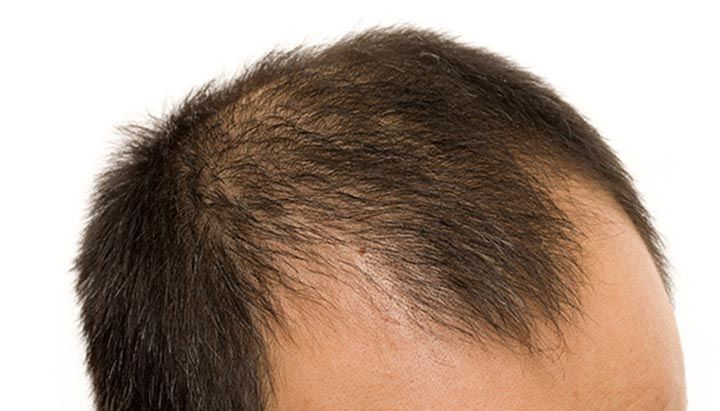
Hair loss refers to a reduction in hair density or the loss of hair from areas where it normally grows.
It can appear as:
-
General thinning
-
Increased shedding
-
A widening part
-
Receding hairline
-
Smaller ponytail volume
-
Localized bald patches
-
Reduced eyebrow or body hair in some conditions
Hair loss can be temporary, progressive, localized, or widespread depending on its underlying cause.
Common Causes of Hair Loss
Genetics
Genetic hair loss is one of the most common forms of hair loss. It can affect both men and women and may develop gradually over time.
The AAD describes hereditary hair loss as a common cause that can develop in different patterns depending on the individual.
Age
Hair growth and density can change naturally with age.
Individual follicles may become smaller, the growth phase may shorten, and overall hair density can decline.
Hormonal Changes
Changes in hormone levels can influence the hair-growth cycle.
Hormonal changes may occur during periods such as:
-
Pregnancy
-
Postpartum periods
-
Menopause
-
Certain endocrine conditions
Persistent or significant changes should be discussed with an appropriately qualified healthcare professional.
Stress
Physical or emotional stress can sometimes be associated with increased hair shedding.
A form of temporary shedding known as telogen effluvium can occur after certain stressful events. The AAD identifies illness, major stress, significant weight loss, and other physical stresses among potential triggers.
Nutritional Factors
Hair growth requires adequate nutrients.
Insufficient intake or absorption of certain nutrients may contribute to hair changes in some people. Relevant nutrients can include:
-
Protein
-
Iron
-
Zinc
-
Vitamin D
-
Vitamin B12
-
Other vitamins and minerals
However, taking supplements without identifying an actual deficiency is not necessarily beneficial and can sometimes be harmful.
Scalp Health and Hair Growth
The scalp provides the environment in which hair follicles function.
Good scalp care generally involves maintaining a clean, comfortable scalp while avoiding unnecessary irritation.
Important considerations include:
-
Regular cleansing
-
Appropriate shampoo selection
-
Managing excess oil
-
Avoiding unnecessary scratching
-
Protecting the scalp from excessive sun exposure
-
Avoiding harsh chemical exposure
Scalp care should be adapted to individual hair type and scalp characteristics.
Common Scalp Concerns
Dry Scalp
A dry scalp may feel tight, flaky, or uncomfortable.
Environmental conditions, frequent washing, hot water, or unsuitable hair products can contribute to dryness.
Dandruff
Dandruff commonly produces visible flakes and may be associated with itching.
It is different from simple scalp dryness and can sometimes require targeted scalp-care products.
Oily Scalp
Excessive scalp oil can make hair appear greasy and may contribute to buildup.
Regular cleansing can help manage oil accumulation.
Scalp Irritation
Redness, burning, persistent itching, scaling, or tenderness can have various causes.
If symptoms continue or become significant, professional evaluation may be appropriate.
Hair-Care Practices
Gentle Washing
Hair should generally be cleansed according to individual scalp needs.
People with an oily scalp may require more frequent washing, while others may prefer less frequent cleansing.
Choosing Shampoo
A shampoo should be selected based on the scalp and hair characteristics.
Consider whether the primary concern is:
-
Oiliness
-
Dryness
-
Flaking
-
Product buildup
-
Sensitive scalp
Conditioning
Conditioners can help improve hair manageability and reduce friction during brushing.
They are generally applied primarily to the hair lengths rather than the scalp when scalp buildup is a concern.
Gentle Drying
Excessive heat and aggressive towel drying can contribute to hair-shaft damage.
Gentler drying methods can reduce unnecessary mechanical stress.
Heat Styling
Frequent use of high-temperature styling tools can damage the hair shaft.
Examples include:
-
Hair dryers
-
Straighteners
-
Curling irons
-
Heated brushes
Using appropriate temperature settings and limiting unnecessary exposure can help reduce damage.
Chemical Treatments
Hair coloring, bleaching, straightening, and perming can alter the hair shaft.
Repeated or aggressive chemical processing can contribute to:
-
Dryness
-
Breakage
-
Split ends
-
Reduced hair strength
Hair breakage is different from hair loss originating at the follicle.
Hair Breakage vs Hair Loss
This distinction is important.
Hair Breakage
Breakage occurs when the hair shaft breaks along its length.
It can result from:
-
Chemical damage
-
Heat
-
Friction
-
Tight hairstyles
-
Mechanical stress
Hair Shedding
Shedding occurs when a complete hair naturally leaves its follicle.
Follicle-Related Hair Loss
Hair density can decline when follicles produce progressively thinner hairs or stop producing visible hair.
These different processes can require different approaches.
Tight Hairstyles
Repeatedly wearing hairstyles that pull tightly on the hair can place stress on the follicles.
The AAD identifies traction alopecia as hair loss associated with prolonged or repeated pulling on the hair.
Reducing prolonged tension and varying hairstyles can help reduce unnecessary mechanical stress.
Nutrition and Hair Wellness
A balanced diet provides nutrients needed for normal body functions, including the biological processes involved in hair growth.
Useful dietary principles include:
-
Adequate protein
-
Variety of vegetables
-
Fruits
-
Whole grains
-
Legumes
-
Nuts and seeds
-
Appropriate sources of iron and other micronutrients
Restrictive diets can sometimes make it harder to obtain sufficient nutrients.
Protein and Hair
Hair is primarily composed of a structural protein called keratin.
Adequate dietary protein supports normal body functions, although increasing protein intake beyond nutritional requirements does not automatically increase hair growth.
Iron and Hair Health
Iron deficiency can be associated with hair loss in some individuals.
However, iron supplementation should generally be guided by appropriate medical evaluation because excessive iron intake can also be harmful.
Vitamins and Supplements
Hair supplements are widely marketed, but their usefulness depends on the individual's nutritional status.
The AAD notes that excessive amounts of certain nutrients, including selenium, vitamin A, and vitamin E, can themselves be associated with hair loss.
This is why indiscriminately taking multiple supplements is not a reliable approach to hair wellness.
Scalp Massage
Gentle scalp massage can be part of a personal relaxation routine.
It may provide a pleasant sensation and can help distribute certain hair products.
However, scalp massage should not automatically be considered a proven treatment for every type of hair loss.
Avoid aggressive rubbing if the scalp is irritated, inflamed, painful, or injured.
Hair Oils and Natural Ingredients
Various oils and botanical ingredients are commonly used in hair-care routines.
Examples include:
-
Coconut oil
-
Argan oil
-
Jojoba oil
-
Rosemary-containing preparations
-
Aloe vera
Their effects vary, and evidence differs considerably between ingredients and specific hair-loss conditions.
Natural does not automatically mean risk-free. Some ingredients can cause irritation or allergic reactions.
Hair Loss After Illness
Temporary increased shedding can occur after certain illnesses or significant physical stress.
This type of shedding may become noticeable weeks or months after the triggering event rather than immediately.
If substantial shedding continues or the cause is unclear, professional evaluation can help determine whether another condition is involved.
Hair Loss and Medications
Certain medications can contribute to hair changes or shedding.
Anyone who notices significant hair loss after starting a new medication should not stop the medication independently. Instead, the prescribing healthcare professional can evaluate whether the medication could be contributing to the change.
Hair Loss and Underlying Conditions
Hair loss can occasionally be associated with an underlying medical condition.
Potential contributors can include:
-
Thyroid disorders
-
Nutritional deficiencies
-
Hormonal conditions
-
Autoimmune conditions
-
Certain infections
-
Some systemic illnesses
A healthcare professional may consider medical history, scalp examination, hair pattern, and appropriate testing when determining the possible cause.
When to Seek Professional Evaluation
Professional evaluation can be particularly useful when hair loss is:
-
Sudden
-
Rapidly progressing
-
Appearing in distinct patches
-
Associated with scalp pain
-
Accompanied by significant scaling or inflammation
-
Associated with eyebrow or body-hair changes
-
Occurring alongside other unexplained symptoms
The AAD recommends seeing a dermatologist when people are concerned about hair loss because determining the cause is an important part of selecting an appropriate approach.
How Hair Loss Is Evaluated
A professional evaluation may involve:
Medical History
Questions can cover:
-
When shedding began
-
Recent illnesses
-
Stress
-
Diet changes
-
Medications
-
Family history
-
Hormonal changes
-
Hair-care practices
Scalp Examination
The scalp and hair pattern can provide clues about possible causes.
Dermoscopy
A dermatologist may use magnification or dermoscopy to examine the scalp and hair follicles more closely.
Laboratory Testing
Blood tests may sometimes be appropriate when nutritional, hormonal, or other systemic causes are suspected.
Testing should be guided by the individual's circumstances rather than performed indiscriminately.
Evidence-Based Hair-Loss Treatments
Treatment depends on the underlying cause.
For some types of hereditary hair loss, dermatologists may recommend established treatments such as topical or oral medications, depending on the individual's circumstances.
The AAD identifies minoxidil as one treatment option used for certain forms of hair loss and emphasizes that treatment selection depends on the diagnosis.
Other treatments may be appropriate for specific conditions.
Because hair loss has many possible causes, a treatment that is appropriate for one condition may not be appropriate for another.
Hair Transplantation
Hair transplantation is a procedure in which hair follicles are moved from one part of the scalp to another.
It may be considered for selected forms of permanent hair loss.
However, candidacy depends on factors such as:
-
Cause of hair loss
-
Donor-hair availability
-
Hair density
-
Age
-
Pattern of hair loss
-
Overall health
A qualified specialist can determine whether the procedure is appropriate.
Hair Wellness Routine
A simple hair-wellness routine can include:
-
Cleanse the scalp according to its needs.
-
Use conditioner appropriately.
-
Avoid excessive heat.
-
Minimize prolonged tight hairstyles.
-
Handle wet hair gently.
-
Maintain a balanced diet.
-
Avoid unnecessary supplements.
-
Monitor changes in hair density and scalp condition.
-
Seek professional evaluation for persistent or unusual hair loss.
Common Hair-Care Mistakes
Washing Too Aggressively
Scrubbing the scalp excessively can cause irritation.
Excessive Heat
Repeated high-temperature styling can damage the hair shaft.
Tight Hairstyles
Persistent tension can contribute to traction-related hair loss.
Overusing Chemical Treatments
Frequent bleaching or chemical processing can weaken the hair shaft.
Taking Unnecessary Supplements
More vitamins do not necessarily mean healthier hair.
Ignoring Persistent Scalp Symptoms
Ongoing itching, inflammation, scaling, or pain should not simply be dismissed as routine dandruff.
Hair Wellness and Lifestyle
General lifestyle factors can influence overall wellbeing and may indirectly affect hair health.
Useful habits include:
-
Adequate sleep
-
Balanced nutrition
-
Regular physical activity
-
Stress-management practices
-
Avoiding smoking
-
Appropriate hydration
These habits should be considered part of overall wellness rather than guaranteed hair-loss treatments.
Hair Loss in Different Life Stages
Adolescence
Hormonal changes can influence hair and scalp characteristics.
Adulthood
Genetic hair loss and lifestyle-related factors may become more noticeable.
Pregnancy and Postpartum
Hormonal changes can alter the normal hair-growth cycle.
Midlife and Beyond
Age-related changes and hormonal transitions can influence hair density and texture.
The underlying cause is more important than age alone.
Modern Hair and Scalp Technologies
Technology is also influencing hair and scalp care.
Examples include:
-
Digital scalp imaging
-
Dermoscopy
-
Automated hair-density analysis
-
Personalized hair-care platforms
-
AI-assisted image analysis
-
Laser-based devices
-
At-home monitoring tools
Some technologies are used primarily for assessment, while others are marketed for wellness or cosmetic applications.
Evidence and regulatory status can vary significantly between technologies.
AI and Hair Analysis
Artificial intelligence can analyze images to identify patterns in hair density, scalp characteristics, and other visual features.
Potential applications include:
-
Hair-density measurement
-
Pattern recognition
-
Progress tracking
-
Image comparison
-
Personalized recommendations
AI-based analysis should not be treated as a definitive medical diagnosis without appropriate professional assessment.
Future of Hair and Scalp Wellness
Future developments may include:
-
More precise digital hair analysis
-
Personalized treatment planning
-
Improved scalp imaging
-
AI-assisted monitoring
-
Better understanding of hair-growth biology
-
More targeted therapies
-
Personalized cosmetic formulations
The overall direction is toward more individualized assessment rather than one-size-fits-all hair-care approaches.
Frequently Asked Questions
What are the most common causes of hair loss?
Common causes include genetics, aging, hormonal changes, stress-related shedding, nutritional deficiencies, certain medications, hair practices, and underlying medical conditions.
Is daily hair shedding normal?
Some daily shedding is normal because individual hairs naturally move through different stages of the growth cycle. A noticeable increase in shedding or a change in hair density may warrant further evaluation.
Can scalp care prevent hair loss?
Good scalp care can support a healthy scalp and reduce problems such as excessive buildup or irritation, but it cannot prevent every type of hair loss.
Do vitamins help hair growth?
Supplements can be useful when a genuine nutritional deficiency exists. Taking excessive amounts of certain nutrients can be harmful and may even contribute to hair loss.
Can stress cause hair shedding?
Significant physical or emotional stress can contribute to temporary increased shedding in some people, including a condition known as telogen effluvium.
When should hair loss be evaluated professionally?
Sudden, rapid, patchy, painful, or persistent hair loss, especially when accompanied by other symptoms, is a reason to consider professional evaluation.
Conclusion
Hair and scalp health are influenced by a combination of genetics, age, hormones, nutrition, lifestyle, hair-care practices, environmental factors, and overall health.
A healthy hair routine begins with simple fundamentals: appropriate scalp cleansing, gentle hair handling, balanced nutrition, sensible use of heat and chemical treatments, and avoidance of prolonged tension.
At the same time, persistent or unusual hair loss should not automatically be attributed to poor hair care. Different conditions can produce similar symptoms, and identifying the underlying cause is often the most important step.
Modern technologies such as digital scalp imaging, dermoscopy, automated hair analysis, and AI-assisted image processing are also expanding the ways hair and scalp characteristics can be assessed. These technologies may support monitoring and professional evaluation, but they should not be viewed as replacements for qualified clinical assessment.
Ultimately, effective hair wellness is less about following a single trend and more about understanding individual hair characteristics, maintaining a healthy scalp environment, avoiding unnecessary damage, and seeking appropriate professional guidance when significant changes occur.
Disclaimer
This article is intended solely for general informational and educational purposes. It does not provide medical diagnosis, treatment, or personalized healthcare advice. It does not endorse, recommend, compare, rank, review, market, or promote any specific hair-care product, supplement, medication, clinic, treatment, device, or healthcare provider. Hair loss can have many different causes, and appropriate evaluation depends on the individual. People experiencing sudden, severe, persistent, painful, or otherwise unusual hair or scalp changes should consult an appropriately qualified healthcare professional. Do not start, stop, or change medications or supplements based solely on information in this article.