Goods Transport Explained: Types, Methods, Logistics, Technology & Supply Chain Insights
Goods transport refers to the movement of physical products, materials, commodities, equipment, and other cargo from one location to another
It is an important part of logistics and supply chain management because products often travel through several stages before reaching their destination. A shipment may move from a manufacturing facility to a warehouse, then to a distribution center and finally to a retail location or end user.
Goods can be transported by:
- Road
- Rail
- Sea
- Inland waterways
- Air
- Pipelines
- Multimodal combinations
The appropriate transportation method depends on factors such as cargo characteristics, distance, urgency, infrastructure, destination, handling requirements, and environmental considerations.
Modern goods transport is also becoming increasingly connected with GPS tracking, Internet of Things (IoT) sensors, warehouse automation, artificial intelligence, digital logistics platforms, electronic documentation, route optimization, and multimodal infrastructure.
What Is Goods Transport?
Goods transport is the organized movement of physical cargo between two or more points.
Cargo can include:
- Raw materials
- Agricultural products
- Food products
- Manufactured goods
- Machinery
- Automotive components
- Electronics
- Construction materials
- Chemicals
- Pharmaceuticals
- Containers
- Industrial equipment
Goods transport is different from logistics as a whole. Transportation focuses primarily on movement, while logistics includes a broader set of activities such as transportation planning, warehousing, inventory management, order processing, packaging, tracking, and coordination.
Importance of Goods Transport
Efficient transportation helps connect different parts of the supply chain.
Its importance includes:
Connecting Production and Markets
Manufactured goods need transportation channels to move from production locations toward distribution networks and markets.
Supporting Supply Chains
Raw materials must reach manufacturing facilities, while finished products need to move toward distribution points.
Improving Inventory Flow
Reliable transportation helps businesses maintain appropriate inventory levels by making replenishment more predictable.
Supporting International Trade
International goods frequently move through combinations of road, rail, ports, shipping networks, and air cargo systems.
Enabling Last-Mile Movement
The final transportation stage connects distribution facilities with the destination.
Supporting Economic Activity
Transport infrastructure connects production centers, warehouses, ports, markets, and economic zones.
India's PM GatiShakti National Master Plan specifically focuses on integrated infrastructure planning and multimodal connectivity to improve the movement of people and goods.
Main Types of Goods Transport
1. Road Transport
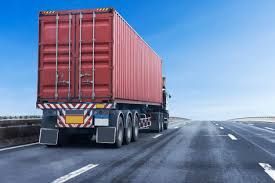
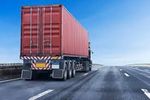
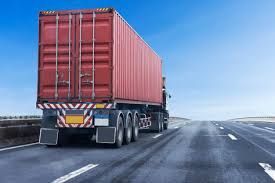
Road transport uses trucks, trailers, vans, tankers, and other road vehicles.
It is particularly useful for:
- Short and medium distances
- Door-to-door movement
- Regional distribution
- Last-mile delivery
- Flexible routing
- Smaller shipments
Different vehicles can be configured for different cargo requirements.
Examples include:
- Flatbed trucks
- Box trucks
- Refrigerated vehicles
- Tanker trucks
- Container carriers
- Heavy-haul vehicles
2. Rail Transport
Rail transport moves goods using freight trains and railway networks.
It is particularly suitable for:
- Bulk commodities
- Containers
- Industrial materials
- Long-distance freight
- Heavy cargo
Rail can also form part of a multimodal transportation chain.
India has been expanding multimodal freight infrastructure. In a January 2026 update, the government reported 306 approved Gati Shakti Multi-Modal Cargo Terminals, with 118 commissioned at that time.
3. Sea Transport
Sea freight is widely used for international and large-volume cargo.
Common cargo formats include:
- Containers
- Bulk cargo
- Liquid cargo
- Break-bulk cargo
- Vehicles
- Heavy equipment
Container shipping enables standardized handling between ships, ports, railways, and road vehicles.
4. Inland Waterway Transport
Inland waterways can move cargo through navigable rivers, canals, lakes, and other inland routes.
They can be useful for:
- Bulk commodities
- Agricultural materials
- Construction materials
- Heavy cargo
- Containerized freight in suitable corridors
Water-based transportation can complement road and rail systems where appropriate infrastructure exists.
5. Air Freight
Air freight is used when transportation speed is particularly important.
Typical cargo includes:
- Electronics
- High-value components
- Time-sensitive products
- Pharmaceuticals
- Perishable goods
- Urgent industrial parts
Air freight generally involves specialized handling and airport cargo infrastructure.
6. Pipeline Transport
Pipelines are designed for specific categories of products.
They can transport materials such as:
- Crude oil
- Petroleum products
- Natural gas
- Water
- Certain industrial fluids
Pipeline systems require specialized infrastructure, monitoring, maintenance, and safety controls.
Goods Transport Methods
Transportation can also be classified according to how cargo is organized and handled.
Full Truckload
A shipment uses most or all of a vehicle's available capacity.
This approach is commonly used when cargo volume is sufficient to justify dedicated vehicle space.
Less-than-Truckload
Multiple shipments can share vehicle capacity.
This can be useful for smaller quantities that do not require an entire truck.
Containerized Transport
Goods are placed inside standardized containers.
Containers can move between:
- Trucks
- Trains
- Ships
- Terminals
This reduces repeated cargo handling during transfers.
Bulk Transport
Bulk goods are transported without conventional individual packaging.
Examples include:
- Grain
- Coal
- Minerals
- Cement
- Petroleum products
Break-Bulk Transport
Break-bulk cargo consists of individual items or packages that are handled separately rather than being transported entirely within standardized containers.
Multimodal Goods Transport
Multimodal transport uses two or more transportation modes within one broader movement plan.
For example:
Factory → Truck → Rail Terminal → Train → Port → Ship → Port → Truck → Destination
The purpose is to combine the strengths of different modes.
For example:
- Trucks provide route flexibility.
- Rail can support long-distance freight.
- Ships can handle large international volumes.
- Air provides rapid transportation.
- Waterways can support certain bulk movements.
India's logistics policy framework emphasizes multimodal interconnected infrastructure and coordination between transportation modes.
Intermodal vs Multimodal Transport
These terms are closely related but can describe different organizational approaches.
Intermodal Transport
Goods move through multiple transportation modes while remaining within the same loading unit, such as a container, with minimal handling of the cargo itself.
Multimodal Transport
Multiple modes are coordinated as part of a broader transportation arrangement.
The distinction can depend on the legal and operational context in which the terms are used.
Goods Transport Logistics Process
A typical goods transportation process can include several stages.
1. Order Planning
The shipment requirements are identified.
Important information can include:
- Origin
- Destination
- Cargo type
- Quantity
- Dimensions
- Weight
- Required delivery window
- Handling conditions
2. Packaging
Goods are prepared according to their physical and handling requirements.
Packaging can provide:
- Protection
- Stability
- Identification
- Handling efficiency
- Environmental protection
3. Documentation
Transportation can involve documentation such as:
- Commercial invoices
- Packing lists
- Transport documents
- Customs documentation
- Shipment references
- Regulatory documents
The exact documents depend on the cargo, route, transportation mode, and jurisdiction.
4. Pickup
Cargo is collected from the origin location.
5. Consolidation
Smaller shipments may be combined into larger transportation units.
6. Transportation
Cargo moves through one or more transportation modes.
7. Tracking
Shipment status can be monitored through digital systems, GPS, sensors, carrier updates, or logistics platforms.
8. Transfer or Transshipment
Cargo may move between trucks, trains, ships, aircraft, or other transportation systems.
9. Customs and Regulatory Processing
International shipments may require customs procedures and documentation.
10. Final Delivery
Cargo reaches its intended destination and the shipment is closed after the required confirmation or documentation.
Goods Transport and Supply Chain Management
Transportation is one component of the broader supply chain.
A simplified supply chain can look like:
Raw Materials → Manufacturing → Warehouse → Distribution Center → Retail / Destination
Transportation can connect each stage.
If one transportation stage experiences delays, it can affect:
- Inventory availability
- Production schedules
- Warehouse operations
- Order fulfillment
- Customer delivery schedules
This is why transportation planning is closely connected with inventory management and supply chain visibility.
Goods Transport Technology
Technology has significantly changed how cargo is planned, monitored, and managed.
GPS Tracking
GPS can provide information about vehicle location and movement.
Fleet Management Systems
Fleet software can monitor:
- Vehicle location
- Route progress
- Driver activity
- Fuel information
- Vehicle condition
- Scheduled maintenance
IoT Sensors
Sensors can monitor conditions such as:
- Temperature
- Humidity
- Shock
- Vibration
- Door opening
- Location
This can be particularly important for sensitive cargo.
Transportation Management Systems
A Transportation Management System (TMS) helps organizations plan and monitor transportation activities.
Functions can include:
- Route planning
- Shipment planning
- Carrier coordination
- Tracking
- Documentation
- Performance analysis
- Freight management
Warehouse Management Systems
A Warehouse Management System (WMS) coordinates warehouse activities that connect with transportation.
This can include:
- Receiving
- Storage
- Picking
- Packing
- Dispatch
- Inventory tracking
Digital Logistics Platforms
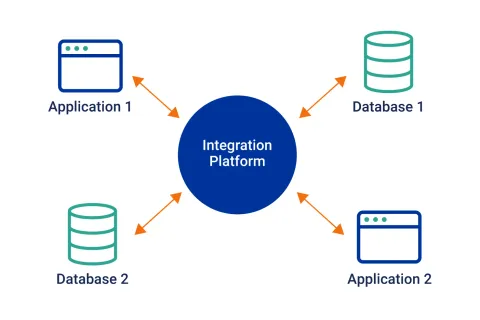
Digital platforms can connect information from different participants across the logistics ecosystem.
India's Unified Logistics Interface Platform (ULIP) is an example of a national digital logistics initiative. A September 2025 government update reported that ULIP had facilitated more than 160 crore digital transactions and enabled API integration across more than 30 digital systems as of August 2025.
Route Optimization
Route optimization uses data to determine efficient transportation routes.
Factors can include:
- Distance
- Traffic
- Vehicle capacity
- Road restrictions
- Delivery windows
- Cargo characteristics
- Weather
- Fuel consumption
- Multiple delivery points
Advanced systems can combine historical and real-time information.
Artificial intelligence and machine learning can further support demand forecasting, route analysis, anomaly detection, and transportation planning.
Artificial Intelligence in Goods Transport
AI is increasingly used across logistics operations.
Demand Forecasting
AI models can analyze historical and current data to estimate future transportation requirements.
Route Optimization
Algorithms can evaluate many possible routes against multiple constraints.
Predictive Maintenance
Vehicle data can be analyzed to identify potential maintenance issues before failures occur.
Estimated Arrival Times
Machine-learning models can improve estimated arrival calculations by considering historical traffic and operational data.
Anomaly Detection
AI can identify unusual:
- Vehicle movements
- Delivery delays
- Temperature readings
- Route deviations
- Transaction patterns
AI should be used alongside reliable data, human oversight, cybersecurity controls, and clearly defined operational processes.
Goods Transport and Cold Chain Logistics
Some products require controlled environmental conditions during transportation.
A cold chain can include:
- Refrigerated storage
- Temperature-controlled vehicles
- Insulated containers
- Monitoring sensors
- Temperature records
- Specialized loading procedures
Cold-chain transportation can be important for:
- Pharmaceuticals
- Vaccines
- Certain food products
- Biological materials
- Temperature-sensitive chemicals
Continuous monitoring can help identify temperature deviations during transportation.
Specialized Goods Transport
Different cargo categories require different transportation arrangements.
Perishable Goods
Food and agricultural products may require:
- Temperature control
- Rapid movement
- Appropriate packaging
- Hygiene controls
- Moisture management
Hazardous Materials
Hazardous cargo requires specialized handling, packaging, labeling, documentation, route planning, and regulatory compliance.
Oversized Cargo
Large machinery and industrial components may require:
- Specialized trailers
- Route surveys
- Lifting equipment
- Escorts where required
- Infrastructure checks
- Permits
High-Value Goods
High-value cargo may require enhanced:
- Tracking
- Access controls
- Packaging
- Monitoring
- Security procedures
Goods Transport and Warehousing
Transportation and warehousing operate closely together.
A warehouse can function as:
- Storage location
- Consolidation center
- Distribution center
- Cross-docking facility
- Fulfillment location
- Cargo transfer point
Cross-Docking
Cross-docking reduces the amount of time goods remain in storage.
Cargo can move from inbound transportation directly toward outbound transportation after sorting and handling.
A simplified process is:
Inbound Truck → Sorting → Outbound Truck
This can improve cargo flow when demand and scheduling are predictable.
Cargo Handling
Cargo handling includes the movement of goods within transportation and logistics facilities.
Equipment can include:
- Forklifts
- Cranes
- Conveyors
- Pallet systems
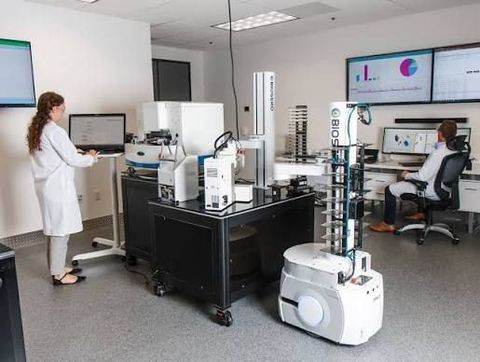
- Automated guided vehicles
- Robotic systems
- Loading platforms
- Container-handling equipment
Modern facilities increasingly combine automation with digital inventory and transportation systems.
Goods Transport Documentation
Documentation helps identify, track, and regulate shipments.
Depending on the transportation mode and jurisdiction, documents may include:
- Commercial invoice
- Packing list
- Transport document
- Bill of lading
- Air waybill
- Delivery documentation
- Customs declarations
- Certificates
- Regulatory documents
Digital documentation can reduce manual processing and improve information visibility.
India's National Logistics Policy has emphasized integrated digital logistics systems, including digital processes for transportation and trade.
Goods Transport Security
Cargo security can involve several layers.
Physical Security
Facilities and vehicles can use:
- Access controls
- Locks
- Seals
- Surveillance
- Controlled loading areas
Digital Security
Connected logistics systems require protection against:
- Unauthorized access
- Credential theft
- Data manipulation
- Malware
- API attacks
- Ransomware
Shipment Monitoring
Tracking systems can identify unexpected route deviations or other unusual events.
Data Protection
Logistics platforms process potentially sensitive information about:
- Shipments
- Customers
- Vehicles
- Routes
- Locations
- Commercial transactions
Appropriate access controls and security practices are therefore important.
Environmental Considerations
Goods transport contributes to energy consumption and transportation-related emissions.
Sustainability strategies can include:
- Route optimization
- Load optimization
- Modal shifts
- Rail freight
- Efficient fleet management
- Alternative-fuel vehicles
- Electric commercial vehicles
- Better warehouse planning
- Reduced empty vehicle movement
- Consolidated shipments
India's logistics policy framework identifies sustainable and efficient multimodal transportation as part of its broader logistics objectives.
A January 2026 government update reported that 2,672 million tonnes of freight had shifted from road to rail since 2014, associated with an estimated 143.3 million tonnes of CO₂ savings.
Goods Transport in India
India's goods transportation ecosystem combines:
- Roads
- Railways
- Ports
- Inland waterways
- Airports
- Warehouses
- Logistics parks
- Cargo terminals
- Digital platforms
The National Logistics Policy, launched in September 2022, was designed to improve the broader logistics ecosystem through digitalization, process reforms, infrastructure coordination, multimodal connectivity, and other measures.
PM GatiShakti complements this approach through integrated planning of transportation and other infrastructure. The government describes it as a data-driven framework using geospatial information and API integration to support coordinated infrastructure planning and connectivity.
In a September 2025 update, the government reported that 27 States and Union Territories had formulated state logistics policies, while 14 had prepared logistics action plans at that time.
Recent Goods Transport and Logistics Developments
Multimodal Infrastructure
Multimodal terminals and logistics parks are increasingly important for connecting road, rail, ports, and other transportation modes.
Digital Integration
Digital logistics platforms can connect information from multiple government and private systems.
Real-Time Visibility
GPS, IoT, APIs, and tracking platforms increasingly allow organizations to monitor cargo movement.
Automated Warehousing
Robotics, automated storage systems, conveyors, and intelligent sorting are changing cargo-handling operations.
Sustainable Freight
Rail, electric commercial vehicles, route optimization, and improved load utilization are contributing to efforts to reduce transportation emissions.
Data-Driven Logistics
Organizations increasingly use operational data for:
- Demand forecasting
- Route planning
- Fleet management
- Inventory coordination
- Performance monitoring
The Indian logistics policy framework specifically promotes digitalization, data-driven systems, automation, AI/ML, and improved supply-chain visibility.
Goods Transport Performance Metrics
Organizations use several metrics to understand transportation performance.
On-Time Delivery
Measures the percentage of shipments arriving within the defined delivery window.
Transit Time
Measures how long cargo takes to travel between origin and destination.
Vehicle Utilization
Measures how effectively available vehicle capacity is being used.
Load Factor
Shows the proportion of available capacity occupied by cargo.
Shipment Visibility
Measures how much information is available about cargo location and status.
Damage Rate
Tracks shipments affected by damage during handling or transportation.
Empty Running
Measures vehicle movement without productive cargo.
Fuel Efficiency
Measures transportation energy consumption relative to distance or cargo volume.
Challenges in Goods Transport
Goods transportation faces several challenges.
Infrastructure Gaps
Insufficient road, rail, terminal, warehouse, or port capacity can create bottlenecks.
Traffic Congestion
Urban congestion can increase travel time and reduce vehicle productivity.
Fragmented Systems
Different organizations may use separate data systems that do not communicate effectively.
Regulatory Complexity
Different cargo types and transportation modes can involve different requirements.
Fuel and Energy Management
Transportation operators need to manage energy use while maintaining reliable movement.
Weather and Natural Events
Extreme weather can affect routes, infrastructure, ports, and delivery schedules.
Last-Mile Complexity
The final stage of transportation can be difficult because of traffic, access restrictions, delivery windows, and high numbers of individual destinations.
Future of Goods Transport
The future of goods transportation is likely to involve greater integration between physical infrastructure and digital systems.
Important developments include:
- Autonomous transportation technologies
- Electric freight vehicles
- Alternative fuels
- AI-based route optimization
- Real-time shipment visibility
- Smart warehouses
- Automated cargo handling
- Digital freight documentation
- Multimodal planning
- IoT-based cargo monitoring
- Predictive maintenance
- Digital twins
- Connected logistics platforms
The long-term direction is toward a more connected, data-driven, automated, multimodal, and environmentally conscious freight ecosystem.
Tools and Resources
Organizations researching or managing goods transportation can use several technology categories:
- Transportation Management Systems
- Warehouse Management Systems
- Fleet Management Systems
- GPS tracking platforms
- IoT monitoring systems
- Route optimization software
- Inventory management systems
- Electronic documentation systems
- API integration platforms
- Logistics analytics tools
- Supply-chain visibility platforms
- Digital freight platforms
For India-specific logistics research, PM GatiShakti, the National Logistics Policy, ULIP, LEADS, and related government logistics initiatives provide useful reference points.
FAQs
What is goods transport?
Goods transport is the movement of physical products, materials, commodities, equipment, and other cargo from one location to another using transportation systems such as roads, railways, ships, aircraft, waterways, or pipelines.
What are the main types of goods transport?
The main transportation modes are road, rail, sea, inland waterways, air, and pipeline transport. Multimodal transportation combines two or more modes.
What is multimodal goods transport?
Multimodal goods transport uses multiple transportation modes within a coordinated movement plan. A shipment could move by truck, rail, ship, and truck before reaching its destination.
How is technology changing goods transportation?
GPS, IoT sensors, transportation management systems, APIs, artificial intelligence, automated warehouses, digital documentation, and real-time tracking are improving visibility, planning, automation, and coordination.
What is the difference between transportation and logistics?
Transportation focuses primarily on moving goods, while logistics covers the broader coordination of transportation, warehousing, inventory, packaging, order processing, information flow, and related supply-chain activities.
Conclusion
Goods transport is a fundamental component of modern supply chains, connecting raw materials, manufacturing facilities, warehouses, distribution centers, markets, and final destinations.
Road, rail, sea, air, waterways, and pipelines each have different characteristics, while multimodal transportation combines multiple modes to create connected freight networks.
Technology is changing this ecosystem through GPS, IoT, APIs, artificial intelligence, transportation management systems, automated warehouses, digital documentation, and real-time visibility platforms.
In India, initiatives such as the National Logistics Policy, PM GatiShakti, ULIP, and multimodal cargo infrastructure are supporting a more integrated logistics ecosystem.
The future of goods transport will increasingly depend on the coordination of physical infrastructure, digital systems, data, automation, sustainability measures, and resilient supply-chain planning.
Disclaimer
This article is provided for general educational and informational purposes only. It is not transportation, logistics, legal, regulatory, customs, environmental, or professional advice and is not intended to promote any particular company, carrier, platform, or product. Transportation regulations, infrastructure, technology, and logistics policies can change over time and vary by country and cargo category. Always verify current requirements with relevant government authorities, transportation agencies, customs authorities, and qualified professionals before making operational decisions