Luxury Private Event Yards Explained: Design, Features & Event Planning Insights
Luxury private event yards are becoming increasingly sophisticated outdoor environments designed for intimate celebrations, social gatherings, weddings, corporate occasions and private hospitality experiences.
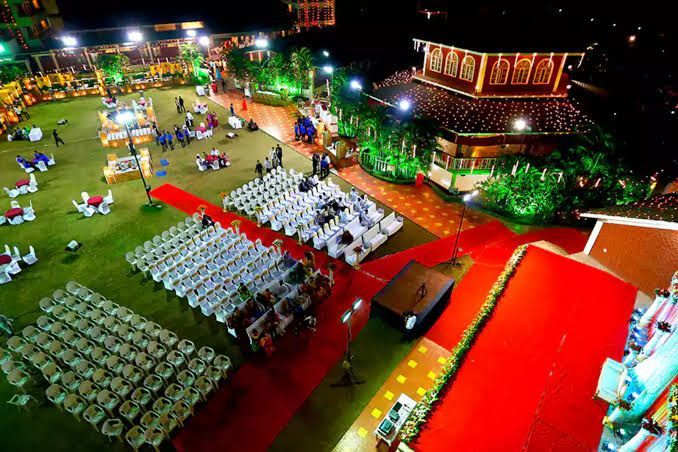
Rather than functioning as simple lawns with temporary decorations, modern event yards can combine landscaping, architecture, lighting, outdoor kitchens, dining areas, lounges, entertainment zones, shade structures and carefully planned guest circulation.
The emphasis in 2026 is increasingly shifting from simply creating visually impressive spaces toward creating outdoor environments that are comfortable, flexible and purposeful. Current outdoor-design reporting highlights privacy, climate comfort, natural planting, flexible gathering spaces and stronger connections between indoor and outdoor areas.
What Is a Luxury Private Event Yard?
A luxury private event yard is a landscaped outdoor setting designed to host private gatherings in a controlled and visually distinctive environment.
It may be part of:
- A private residence
- A countryside estate
- A garden property
- A boutique hospitality setting
- A private club
- A heritage property
- A large landscaped compound
- A dedicated outdoor event venue
The defining characteristic is not simply size.
A successful private event yard combines space planning, comfort, aesthetics, privacy and event functionality.
The yard should allow guests to move naturally between different areas while maintaining a coherent visual identity.
Why Private Event Yards Are Becoming More Popular
Outdoor spaces are increasingly being designed as extensions of indoor living and hospitality areas.
2026 outdoor-design reporting points toward more flexible "party patios," multi-zone outdoor layouts, privacy-focused planting and spaces designed for everyday use as well as gatherings.
For private events, this creates several possibilities.
A single outdoor environment can include:
- Arrival area
- Welcome lounge
- Dining zone
- Cocktail area
- Entertainment stage
- Dance floor
- Garden seating
- Quiet conversation area
- Outdoor kitchen
- Bar area
- Photography backdrop
- Covered weather-protection zone
This creates a more dynamic experience than placing all guests in one large open area.
The Difference Between a Lawn and an Event Yard
A conventional lawn is primarily an open landscape.
A luxury event yard is planned around how people use the space.
| Conventional Lawn | Luxury Private Event Yard |
|---|---|
| Primarily open space | Multiple functional zones |
| Limited infrastructure | Integrated event infrastructure |
| Basic landscaping | Layered landscape design |
| General-purpose seating | Purposeful seating arrangements |
| Minimal lighting | Layered architectural and landscape lighting |
| Limited weather planning | Covered and adaptable areas |
| Simple circulation | Planned guest movement |
| Visual focus on greenery | Integrated landscape and architecture |
The difference is therefore largely about planning and functionality.
Key Design Principles
A successful luxury event yard usually starts with several fundamental principles.
1. Create Clear Zones
Instead of treating the entire yard as one space, divide it into areas with different purposes.
For example:
Arrival → Welcome → Dining → Entertainment → Relaxation
This creates a natural sequence for guests.
2. Maintain Visual Connection
Zones should feel connected even when they serve different purposes.
Planting, flooring, lighting and furniture can create continuity.
3. Protect Guest Comfort
Outdoor luxury is difficult to maintain if guests are exposed to excessive heat, rain, wind or uncomfortable seating.
Shade, ventilation, covered structures and appropriate furniture therefore become important design elements.
4. Preserve Privacy
Private events often benefit from controlled sightlines.
Trees, hedges, walls, screens, pergolas and carefully positioned structures can create separation from neighboring properties or public areas.
Current outdoor-design research indicates that privacy-focused landscaping and cooling features are increasingly being prioritized.
Landscape Design for Luxury Event Yards
Landscaping provides the visual foundation of an outdoor event environment.
Instead of treating plants as decoration added after the architecture, modern landscape design increasingly integrates vegetation into the overall experience.
Potential landscape elements include:
- Mature trees
- Native plants
- Layered planting
- Flowering borders
- Ornamental grasses
- Hedges
- Vertical greenery
- Groundcovers
- Sculptural plants
- Water features
The choice of vegetation should reflect the local climate and the expected level of maintenance.
2026 outdoor-design trends are also showing stronger interest in native, climate-adapted and pollinator-friendly planting.
Soft Landscape vs Hard Landscape
Luxury event yards need a balance between soft and hard landscape elements.
Soft Landscape
This includes:
- Trees
- Shrubs
- Flowers
- Grass
- Groundcovers
- Planting beds
Hard Landscape
This includes:
- Stone
- Paving
- Decking
- Walls
- Steps
- Pergolas
- Outdoor structures
- Water features
Too much hardscape can make an outdoor environment feel harsh.
Too much planting can make guest circulation difficult.
The strongest designs balance both.
Outdoor Event Layout
The layout should reflect the type of gathering.
A formal dinner may require:
- Central dining arrangement
- Service circulation
- Guest seating
- Lighting
- Food preparation area
- Reception point
A cocktail event may prioritize:
- Standing areas
- Lounge furniture
- Small tables
- Bar zone
- Background music
- Open circulation
A wedding may require:
- Ceremony area
- Guest seating
- Photography area
- Dining space
- Entertainment zone
- Dance floor
- Private preparation area
A corporate gathering may need:
- Presentation space
- Seating
- Screens
- Networking areas
- Technical equipment
- Quiet discussion zones
Purposeful event environments are becoming increasingly important, with planners focusing on how guests move, interact and recharge rather than evaluating venues only by appearance.
Outdoor Dining Areas
Dining is often a central element of private event yards.
A luxury dining environment can include:
- Long banquet tables
- Round dining tables
- Individual dining clusters
- Covered dining structures
- Outdoor kitchen areas
- Decorative table settings
- Ambient lighting
- Natural landscaping
The dining arrangement should leave sufficient circulation space between tables.
Guests should also be able to move comfortably between dining, entertainment and relaxation areas.
Outdoor Lounge Areas
Lounge zones can create a more relaxed atmosphere.
Possible elements include:
- Sofas
- Armchairs
- Low tables
- Daybeds
- Fire features
- Cushioned benches
- Side tables
- Outdoor rugs
Rather than placing all seating in one area, multiple smaller conversation groups can encourage interaction.
Lighting Design
Lighting can completely change the character of an outdoor event yard after sunset.
A layered lighting system can include:
Ambient Lighting
Creates general illumination.
Examples include:
- Pendant fixtures
- Chandeliers
- Covered ceiling lights
- Architectural fixtures
Landscape Lighting
Highlights:
- Trees
- Pathways
- Planting beds
- Walls
- Water features
Decorative Lighting
Can include:
- String lights
- Lanterns
- Candles
- Sculptural fixtures
Entertainment Lighting
Used around:
- Stages
- Dance floors
- DJ areas
- Presentation spaces
The goal is not simply to make the yard brighter. Lighting should create visual hierarchy while maintaining comfortable visibility.
Shade and Weather Protection
Weather planning is one of the most important aspects of an outdoor event.
Possible solutions include:
- Pergolas
- Covered patios
- Retractable structures
- Clear-top structures
- Canopies
- Large umbrellas
- Temporary event structures
- Enclosed backup spaces
Current outdoor-event trends show growing interest in hybrid spaces that combine open-air environments with covered and climate-controlled areas.
A strong design allows guests to remain comfortable without completely losing the outdoor atmosphere.
Indoor-Outdoor Hybrid Design
One of the most useful approaches is connecting the event yard with an interior space.
Large sliding doors, wide openings, covered terraces and connected patios can create a continuous transition.
This provides flexibility during changing weather and allows different parts of an event to operate simultaneously.
For example:
Indoor: Dining and climate-controlled seating
Outdoor: Reception, garden lounge and entertainment
Covered transition: Drinks and casual conversation
This approach can also simplify guest circulation.
Privacy Features
Privacy is particularly important for private gatherings.
Potential design features include:
- Tall planting
- Dense hedges
- Decorative screens
- Garden walls
- Pergolas
- Architectural partitions
- Strategic building orientation
- Controlled entry points
Privacy does not necessarily mean completely enclosing the property.
Selective screening can preserve views while reducing unwanted sightlines.
Entrance and Arrival Design
The entrance establishes the first impression.
A luxury private event yard can use:
- Landscaped arrival paths
- Architectural gates
- Feature lighting
- Water elements
- Sculptural landscaping
- Welcome signage
- Covered arrival areas
The entrance should also be practical.
Guests should be able to identify where to enter, where to wait and where the main gathering area begins.
Guest Circulation
Good event planning considers how people move.
Guests should be able to travel naturally between:
- Entrance
- Restrooms
- Dining
- Lounge
- Entertainment
- Parking
- Covered areas
Pathways should be wide enough for expected traffic.
Steps and changes in elevation should be clearly visible, particularly after dark.
Accessible routes should also be considered during planning.
Accessibility Considerations
Luxury design should be inclusive.
Important considerations include:
- Step-free routes where possible
- Stable walking surfaces
- Appropriate pathway widths
- Accessible restroom access
- Seating options for different mobility needs
- Clear lighting
- Safe transitions between surfaces
- Accessible arrival routes
Accessibility should be incorporated during the design stage rather than added at the last moment.
Entertainment Zones
A private event yard can support many forms of entertainment.
Possible configurations include:
- Live music
- DJ setup
- Acoustic performances
- Small stages
- Dance floors
- Outdoor cinema
- Interactive installations
- Cultural performances
- Presentation areas
The entertainment zone should be positioned carefully so that sound does not overwhelm dining or conversation areas.
Outdoor Kitchens and Food Areas
For longer private gatherings, an outdoor kitchen can become a major architectural feature.
It may include:
- Preparation counters
- Cooking equipment
- Refrigeration
- Storage
- Serving counters
- Sink facilities
- Dining connection
A well-designed kitchen should remain visually connected to the event while keeping preparation activity organized.
Fire Features and Water Elements
Fire and water can create strong focal points.
Fire Features
Examples include:
- Fire pits
- Linear fire elements
- Outdoor fireplaces
- Controlled decorative flames
Water Features
Examples include:
- Reflecting pools
- Fountains
- Small cascades
- Decorative ponds
- Poolside environments
These features should be designed with appropriate safety considerations, especially when children are present.
Furniture Selection
Outdoor furniture needs to balance appearance and durability.
Important factors include:
- Weather resistance
- Comfort
- Stability
- Maintenance requirements
- Scale
- Material quality
- Storage requirements
Furniture should also reflect the event style.
A minimalist event might use clean-lined furniture, while a garden celebration may use softer textures and natural materials.
Material Selection
Materials contribute significantly to the character of an event yard.
Common choices include:
- Natural stone
- Timber
- Concrete
- Brick
- Metal
- Porcelain paving
- Composite decking
- Textured plaster
- Glass
Natural materials can create a warmer appearance, while metal and glass can create a more contemporary aesthetic.
Material selection should also consider local climate, drainage and slip resistance.
Technology in Private Event Yards
Technology is becoming increasingly integrated into outdoor event environments.
Possible systems include:
- Wireless lighting controls
- Outdoor audio
- Projection systems
- LED displays
- Wi-Fi
- Smart irrigation
- Environmental sensors
- Automated shades
- Security cameras
- Digital event controls
2026 event trends also highlight immersive environments, projection mapping, LED displays and interactive technology as increasingly common elements of contemporary event design.
Technology should remain integrated into the design rather than visually dominating the landscape.
Sound Planning
Outdoor sound behaves differently from indoor sound.
Important considerations include:
- Speaker placement
- Sound direction
- Neighboring properties
- Acoustic reflections
- Volume management
- Event schedule
- Local noise requirements
Speakers should be positioned to direct sound toward the intended guest area rather than unnecessarily toward surrounding properties.
Sustainability in Luxury Event Yards
Luxury outdoor design is increasingly incorporating sustainability into both landscaping and event planning.
Potential strategies include:
- Native planting
- Climate-adapted vegetation
- Efficient irrigation
- LED lighting
- Reusable décor
- Reduced single-use materials
- Local food ingredients
- Waste separation
- Renewable-energy systems where appropriate
- Durable landscape materials
Current event-industry trends increasingly frame sustainability as a practical part of event design rather than a purely decorative concept.
2026 Trends in Luxury Private Event Yards
Several design directions are particularly relevant in 2026.
Multi-Zone Outdoor Spaces
Instead of one large gathering area, yards are being divided into purpose-specific environments.
Resort-Inspired Design
Private yards increasingly incorporate features associated with boutique resorts, such as lounges, water features, outdoor dining and wellness areas.
Natural Materials
Wood, stone, linen-like textures and natural planting are becoming prominent design elements.
Privacy as a Design Feature
Trees, planting and architectural screening are being used to create more secluded outdoor environments.
Indoor-Outdoor Integration
Large openings, covered patios and flexible structures allow indoor and outdoor areas to function together.
Flexible Furniture
Movable seating allows the same yard to accommodate different types of events.
Smaller, More Intimate Gatherings
Some private-event trends are shifting toward smaller gatherings where guests can interact more naturally and hosts can focus on detail.
Planning a Luxury Private Event Yard
A structured planning process can make the event easier to coordinate.
Step 1: Define the Event
Determine:
- Event type
- Guest profile
- Expected attendance
- Duration
- Day or evening schedule
- Formal or casual atmosphere
Step 2: Study the Site
Review:
- Available area
- Existing landscaping
- Building access
- Parking
- Drainage
- Utilities
- Sun exposure
- Wind direction
- Neighboring properties
Step 3: Create Functional Zones
Map:
- Arrival
- Dining
- Lounge
- Entertainment
- Restrooms
- Food preparation
- Back-of-house movement
- Weather backup
Step 4: Develop the Design Language
Choose:
- Materials
- Plant palette
- Furniture style
- Lighting approach
- Color direction
- Architectural features
Step 5: Plan Infrastructure
Consider:
- Electrical supply
- Lighting
- Water
- Audio
- Internet
- Drainage
- Temporary structures
- Waste management
Step 6: Plan for Weather
Identify both primary and backup arrangements.
Step 7: Test Guest Movement
Walk through the planned event sequence from arrival to departure.
Step 8: Review Safety and Accessibility
Check pathways, lighting, steps, surfaces, exits and accessible routes.
Common Mistakes to Avoid
Designing Only for Photographs
A beautiful image does not guarantee a comfortable event.
Ignoring Shade
Outdoor seating without sufficient shade can become uncomfortable quickly.
Poor Circulation
Crowded pathways can reduce the quality of the guest experience.
Too Much Decoration
Excessive structures and décor can make a yard feel crowded.
Insufficient Lighting
A beautiful landscape can become difficult to navigate after sunset.
No Weather Backup
Outdoor events should have a contingency plan.
Ignoring Sound
Outdoor music can affect both guest comfort and surrounding properties.
Forgetting Service Access
Food, equipment, furniture and technical teams need discreet routes that do not interfere with guests.
Luxury Does Not Always Mean More Features
A common misconception is that a luxury event yard must contain every possible feature.
In reality, thoughtful design can be more effective than excessive decoration.
A well-planned yard may need only:
- Excellent landscaping
- Comfortable seating
- Good lighting
- One strong architectural feature
- Flexible dining
- Privacy
- Reliable weather protection
- Smooth circulation
Current outdoor-design discussions increasingly emphasize fewer, better-defined spaces and flexibility rather than simply adding more elements.
Luxury Private Event Yard Design Checklist
Before finalizing a concept, review the following:
Design
- Is the overall visual identity clear?
- Are the materials coordinated?
- Does the landscape complement the architecture?
Guest Experience
- Can guests move easily?
- Are seating areas comfortable?
- Are quiet and active zones separated?
Weather
- Is shade available?
- Is there rain protection?
- Is there an indoor or covered backup?
Technology
- Is lighting adequate?
- Is sound properly planned?
- Are power requirements understood?
Safety
- Are pathways stable?
- Are steps visible?
- Are fire and water features appropriately protected?
Accessibility
- Are accessible routes available?
- Are restrooms reachable?
- Is seating flexible?
Privacy
- Are unwanted sightlines controlled?
- Is the entrance appropriately separated?
Frequently Asked Questions
1. What is a luxury private event yard?
A luxury private event yard is a landscaped outdoor environment designed specifically around private gatherings. It can combine dining, entertainment, lounge areas, landscaping, lighting, privacy features and weather protection.
2. What features are important in a luxury event yard?
Important features can include comfortable seating, attractive landscaping, lighting, weather protection, privacy, dining areas, entertainment zones, accessible circulation and appropriate infrastructure.
3. How can an outdoor event yard handle changing weather?
Covered patios, pergolas, temporary structures, retractable systems and indoor-outdoor layouts can provide flexibility. A clearly defined backup plan is also important.
4. Why is lighting important in an outdoor event yard?
Lighting improves visibility while also establishing atmosphere and highlighting architectural and landscape features. A layered approach can combine functional, landscape and decorative lighting.
5. Are private event yards suitable for small gatherings?
Yes. A well-designed yard can be scaled for intimate gatherings as well as larger celebrations. Smaller events can benefit from multiple conversation areas, natural landscaping and a more residential atmosphere.
6. What is the biggest design mistake in an outdoor event yard?
One common mistake is prioritizing appearance while overlooking guest comfort, circulation, shade, weather protection, accessibility and infrastructure.
Conclusion
Luxury private event yards are evolving from simple outdoor gathering spaces into carefully designed environments that combine landscape architecture, hospitality, technology and event planning.
The strongest designs balance aesthetics with practical requirements.
A successful event yard may include elegant planting, comfortable lounges, outdoor dining, layered lighting, privacy screening, entertainment areas, weather protection and indoor-outdoor connections. However, the quality of the experience depends on how these elements work together.
The 2026 direction is increasingly focused on purposeful outdoor zones, natural materials, privacy, flexible layouts, climate comfort, immersive experiences and stronger connections with the surrounding landscape.
Ultimately, luxury is less about filling a yard with features and more about creating a setting where guests can move comfortably, connect naturally and remember the experience.
Disclaimer
This article is intended for general educational and informational purposes only. Outdoor-event requirements, building regulations, accessibility rules, noise restrictions, fire-safety requirements and venue policies can vary by location and event type. Design concepts should be reviewed with appropriately qualified architects, landscape professionals and event-planning specialists where necessary. This article is not intended as legal, architectural or safety advice and does not promote any particular venue, brand or organization.