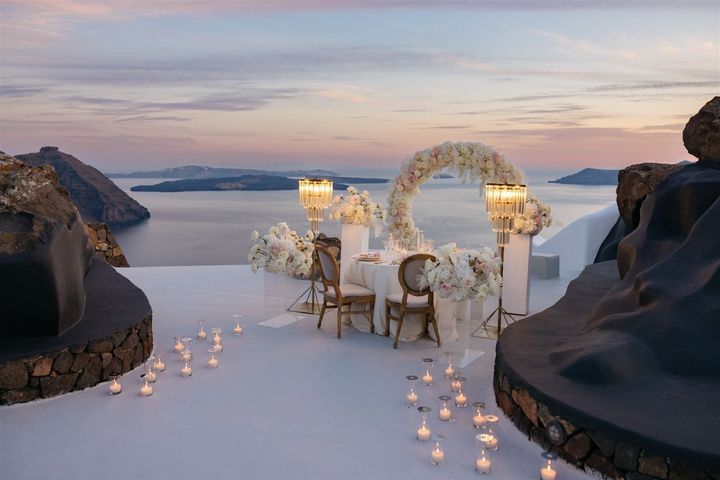
Luxury Destination Wedding Europe Explained: Venues, Planning, Destinations & Travel Insights
A luxury destination wedding in Europe combines the celebration of marriage with architecture, landscapes, cuisine, culture and travel. Instead of treating the wedding as a single-day event, many couples approach it as a complete experience that can include a welcome gathering, ceremony, reception and post-wedding activities.
Europe is particularly diverse for this type of celebration. Couples can consider historic castles, countryside estates, vineyard settings, coastal terraces, island locations, lakeside properties and elegant urban venues. Italy, France, Greece, Spain and Portugal remain prominent choices, while destinations across Central and Northern Europe can provide different architectural and seasonal experiences.
The key to planning successfully is not simply choosing the most visually impressive destination. Guest accessibility, weather, legal requirements, accommodation, transportation, venue capacity and the overall event schedule all influence the experience.
What Makes a Luxury Destination Wedding in Europe Different?
Luxury does not necessarily mean adding more decoration or creating a larger guest list. In destination weddings, it often means giving greater attention to the overall experience.
Important elements can include:
- A distinctive European setting
- Carefully selected architecture and landscape
- Multi-day celebrations
- Regional food and cultural experiences
- Comfortable guest accommodation
- Thoughtful transportation planning
- Personalized ceremony design
- High-quality photography and videography
- Weather-conscious event planning
- A balance between scheduled events and personal time
Recent European wedding trends also show growing interest in longer celebrations rather than concentrating every activity into one day. Welcome dinners, leisure days and farewell gatherings can make the wedding feel more like a shared journey.
Why Europe Is Popular for Luxury Destination Weddings
Historic Architecture
Europe has centuries of architectural heritage, creating wedding settings that naturally provide visual character.
Possible venue styles include:
- Medieval castles
- Renaissance estates
- Historic villas
- French châteaux
- Monasteries
- Palaces
- Restored country houses
- Historic hotels
The architecture itself can become part of the ceremony, reception and photography experience.
Diverse Landscapes
Europe offers remarkable geographical variety within a relatively compact region.
Depending on the destination, couples may find:
- Mediterranean coastlines
- Alpine landscapes
- Vineyards
- Rolling countryside
- Lakes
- Forests
- Island scenery
- Historic city centers
This diversity makes it possible to select a setting according to the atmosphere the couple wants rather than adapting the celebration to a single type of environment.
Cultural Experiences
A destination wedding can introduce guests to local traditions, food, music, architecture and regional history.
For example, a wedding in Italy may incorporate regional cuisine and vineyard experiences, while a Greek celebration can emphasize island landscapes and Mediterranean traditions. France can provide château settings and culinary experiences, while Portugal and Spain bring their own architectural and coastal character.
Luxury Wedding Venue Types in Europe
The venue is one of the most important decisions because it affects guest capacity, accommodation, transportation, event design and scheduling.
Historic Castles
Castles provide a dramatic setting for couples looking for traditional European architecture.
Typical features can include:
- Stone architecture
- Courtyards
- Grand halls
- Gardens
- Towers
- Historic interiors
Castle venues are particularly suitable for formal celebrations and photographs with an old-world atmosphere.
Luxury Villas
Private-use villas can create a more intimate environment.
They may include:
- Gardens
- Terraces
- Swimming pools
- Guest rooms
- Outdoor dining areas
- Panoramic views
Villa weddings can work particularly well for smaller guest groups where privacy and shared accommodation are priorities.
Vineyard Estates
Vineyard settings combine countryside scenery with regional food and wine culture.
They can be appropriate for:
- Outdoor ceremonies
- Sunset receptions
- Welcome dinners
- Long-table dining
- Post-wedding gatherings
Tuscany is especially associated with vineyard and countryside wedding settings.
Coastal and Island Venues
Mediterranean destinations can provide sea views and outdoor ceremony settings.
Popular styles include:
- Cliffside terraces
- Beachfront locations
- Island resorts
- Seaside gardens
- Waterfront restaurants
- Coastal estates
Weather planning becomes particularly important because outdoor celebrations depend heavily on seasonal conditions.
Historic City Venues
A city wedding can combine the ceremony with museums, historic buildings, elegant hotels and cultural attractions.
Paris, Rome, Barcelona and other European cities can provide a different atmosphere from countryside or island weddings.
Lakeside Properties
Lake destinations provide a combination of water views, mountain scenery and historic architecture.
These settings can be particularly attractive for daytime ceremonies and sunset photography.
Top European Destinations for Luxury Weddings
There is no single best destination. The right choice depends on the wedding style, guest list, season, travel arrangements and legal requirements.
Italy
Italy is one of Europe's most versatile destination wedding countries.
Popular regional concepts include:
- Tuscan countryside estates
- Italian lakeside celebrations
- Coastal venues
- Historic villas
- Puglia countryside
- Sicilian landscapes
- Historic urban venues
Italy works particularly well for couples who want architecture, food culture and varied landscapes within one country.
France
France is associated with sophisticated architecture, gardens, cuisine and historic estates.
Possible wedding concepts include:
- Château celebrations
- Countryside gatherings
- Vineyard events
- Riviera-inspired ceremonies
- Parisian celebrations
- Provence-style weddings
Couples considering a legally recognized ceremony should investigate French requirements early because legal procedures can be more involved than a symbolic ceremony.
Greece
Greece is particularly attractive for couples looking for Mediterranean scenery.
Possible destinations include:
- Santorini
- Mykonos
- Crete
- Paros
- Naxos
Greek weddings can emphasize sea views, outdoor dining, sunset ceremonies and island experiences.
Spain
Spain provides a broad combination of urban, coastal and countryside environments.
Wedding concepts can include:
- Mediterranean celebrations
- Historic estates
- Coastal gatherings
- Vineyard events
- Island weddings
- Architectural city ceremonies
Spain can also work well when guests want to combine the wedding with cultural sightseeing and leisure travel.
Portugal
Portugal combines historic architecture, coastal landscapes, countryside estates and distinctive regional culture.
It can be considered for:
- Atlantic coast celebrations
- Historic estates
- Vineyard weddings
- Countryside retreats
- City-based events
Portugal is also increasingly discussed as a destination for international weddings because of its combination of scenery, infrastructure and travel appeal.
Croatia
Croatia provides a mixture of Adriatic coastline, historic towns and island landscapes.
It can suit couples interested in:
- Seaside ceremonies
- Historic architecture
- Island gatherings
- Mediterranean dining
- Smaller destination celebrations
Austria and Central Europe
Austria and other Central European destinations can provide a different style from Mediterranean weddings.
Possible themes include:
- Palace architecture
- Alpine scenery
- Historic city celebrations
- Lakeside events
- Elegant winter weddings
These locations can be especially interesting for couples looking beyond the traditional Mediterranean wedding route.
How to Choose the Right European Destination
Instead of beginning with photographs, start with practical priorities.
Step 1: Define the Wedding Style
Ask what kind of experience you want:
- Countryside
- Coastal
- Island
- Castle
- Villa
- Vineyard
- City
- Mountain
- Lakeside
This immediately reduces the number of suitable destinations.
Step 2: Estimate the Guest List
Guest numbers influence almost every planning decision.
A wedding for 30 guests has different venue and transportation requirements from one for 150 guests.
Consider:
- Accommodation capacity
- Ceremony capacity
- Dining arrangements
- Transportation
- Accessibility
- Weather alternatives
Step 3: Consider Guest Travel
A beautiful venue can become difficult if guests need several flights, long road journeys and multiple transfers.
Evaluate:
- International airport access
- Ground transportation
- Transfer duration
- Accommodation availability
- Local mobility
- Travel documentation
Step 4: Compare Seasons
European weather varies considerably.
Mediterranean locations generally appeal to couples seeking warmer outdoor conditions, while Central and Northern Europe can provide different seasonal experiences.
Before selecting a date, investigate:
- Average temperatures
- Rainfall patterns
- Wind conditions
- Sunset timing
- Heat levels
- Local tourism periods
Step 5: Investigate Legal Requirements
Do not assume that a wedding venue automatically means a legally recognized marriage.
The legal process differs between countries and can depend on nationality, residency, documentation and ceremony type.
Many international couples therefore consider two separate components:
- Legal marriage according to applicable requirements
- Destination celebration or symbolic ceremony
The exact requirements should always be confirmed with the relevant government authority before final planning.
Luxury Destination Wedding Planning Timeline
18–15 Months Before
Begin with:
- Destination research
- Guest-list planning
- Venue research
- Preferred season
- Wedding format
- Travel considerations
Popular peak-season venues can require planning well in advance. Current 2026 planning guidance commonly recommends approximately 12–18 months for popular European destinations.
14–12 Months Before
Focus on:
- Confirming the venue
- Developing the event schedule
- Checking legal documentation
- Planning accommodation
- Reviewing guest transportation
- Establishing the overall design direction
11–8 Months Before
This stage can include:
- Guest invitations
- Travel information
- Ceremony planning
- Menu discussions
- Photography planning
- Entertainment planning
- Accommodation coordination
7–4 Months Before
Review:
- Guest confirmations
- Transportation
- Event timing
- Weather alternatives
- Seating arrangements
- Final documentation
- Cultural details
3–1 Months Before
The focus shifts toward final coordination:
- Final guest numbers
- Arrival information
- Transportation schedules
- Event timelines
- Venue arrangements
- Emergency weather plans
- Documentation checks
Designing a Multi-Day Wedding Experience
One of the defining characteristics of destination weddings is that the celebration can extend beyond the ceremony.
Day One: Welcome Gathering
A welcome event gives guests an opportunity to meet before the main celebration.
Ideas include:
- Regional dinner
- Garden gathering
- Casual evening reception
- Cultural introduction
- Sunset event
Day Two: Main Wedding
The primary event can include:
- Ceremony
- Cocktail gathering
- Reception
- Dinner
- Speeches
- Entertainment
- Evening celebration
Day Three: Farewell Experience
A relaxed final gathering can help guests conclude the trip together.
Examples include:
- Brunch
- Pool gathering
- Local sightseeing
- Scenic lunch
- Informal farewell
Longer formats are increasingly associated with luxury destination wedding planning because they give couples and guests more time to experience the destination.
Travel Planning for Wedding Guests
Guest travel should be treated as an important part of the wedding experience.
Create a Clear Travel Guide
Provide guests with information about:
- Airport options
- Arrival dates
- Accommodation
- Local transportation
- Passport requirements
- Visa requirements where applicable
- Weather expectations
- Dress recommendations
- Emergency contacts
- Event schedules
Plan Transfers Carefully
International guests may arrive at different times.
A useful travel plan can include:
- Airport pickup windows
- Hotel arrival instructions
- Shared transportation
- Venue transfer times
- Return transportation
Consider Travel Fatigue
Guests traveling across continents may need recovery time before the wedding.
Avoid scheduling important activities immediately after long international journeys whenever possible.
Europe Travel Documentation and Border Updates
Travel documentation should be checked separately from wedding paperwork.
The European Union's Entry/Exit System became fully operational across the Schengen area on 10 April 2026. It records information such as passport details, entry and exit information and biometric data for applicable non-EU short-stay travellers.
The European Travel Information and Authorisation System, known as ETIAS, is currently not in operation. The EU states that its launch date will be announced separately. Once operational, it will apply to visa-exempt travellers visiting participating European countries for short stays.
Because travel rules can change, every guest should verify requirements through official government and European Union sources before travelling.
Legal Considerations for Destination Weddings
Legal requirements are one of the most important planning areas.
Depending on the country, couples may need documentation such as:
- Valid passports
- Birth certificates
- Proof of marital status
- Divorce documentation where applicable
- Certified translations
- Apostilles or legalizations
- Residency-related documentation
- Local declarations
Requirements can vary based on nationality and personal circumstances.
Legal Ceremony vs Symbolic Ceremony
A legal ceremony creates a legally recognized marriage under the relevant country's rules.
A symbolic ceremony focuses on the celebration itself and may be conducted after the legal marriage has been completed elsewhere.
The second approach can simplify international planning, but couples should confirm the implications with the appropriate authorities.
Luxury Wedding Design Trends in Europe
Understated Elegance
Recent luxury wedding aesthetics are increasingly moving toward carefully considered design rather than simply adding more decoration.
This can involve:
- Architectural floral arrangements
- Natural materials
- Neutral palettes
- Regional design elements
- Minimal but intentional table settings
Recent 2026 wedding observations point toward restrained, architectural styling and more personalized experiences.
Destination-Inspired Design
A strong design concept can reflect the destination itself.
For example:
- Italian countryside → natural textures and regional food
- Greek island → Mediterranean colors and outdoor dining
- French château → classic gardens and formal details
- Portuguese estate → local architecture and Atlantic influences
Meaningful Personalization
Luxury does not have to mean excessive decoration.
Personalization can come through:
- Family traditions
- Regional cuisine
- Cultural music
- Personalized ceremony elements
- Handwritten guest notes
- Destination-inspired menus
- Shared experiences
Food and Cultural Experiences
Food is often one of the strongest connections between a wedding and its destination.
Instead of using a generic menu, couples can explore regional cuisine.
Potential experiences include:
- Local tasting menus
- Regional desserts
- Vineyard dinners
- Mediterranean seafood
- Traditional pastries
- Local breakfast gatherings
- Destination-inspired cocktails and beverages
Cultural elements should be incorporated respectfully and authentically rather than used simply as decoration.
Photography and Visual Planning
European destinations provide diverse photography environments, but the schedule should remain practical.
Useful considerations include:
- Golden-hour timing
- Travel time between locations
- Indoor alternatives
- Weather conditions
- Natural lighting
- Historic architecture restrictions
- Guest movement
A well-designed photography schedule should complement the wedding rather than dominate it.
Weather and Backup Planning
Outdoor European weddings require a realistic alternative plan.
Consider:
- Covered ceremony areas
- Indoor reception spaces
- Temporary shelters where appropriate
- Rain transportation
- Heat-management measures
- Guest hydration
- Wind conditions
- Backup photography locations
A backup plan should be established before the wedding rather than created during an unexpected weather event.
Sustainability Considerations
Destination weddings involve international travel, accommodation and event logistics, so sustainability can become part of the planning process.
Potential approaches include:
- Selecting locally sourced food
- Using seasonal flowers
- Reducing unnecessary transportation
- Reusing decorative materials
- Limiting single-use items
- Choosing venues with existing infrastructure
- Encouraging longer stays rather than multiple short trips
The objective is not to eliminate every environmental impact but to make thoughtful choices throughout the planning process.
Common Planning Mistakes
Choosing a Venue Before Checking Legal Requirements
A venue may look perfect but may not be suitable for the legal ceremony you have in mind.
Ignoring Guest Accessibility
A remote venue can create transportation challenges for older guests or people with mobility limitations.
Planning Only the Wedding Day
Destination weddings often involve several days. The surrounding schedule can strongly influence guest satisfaction.
Underestimating Travel Time
A venue may appear close on a map but still require significant transfer time because of roads, ferries or mountain routes.
Having No Weather Alternative
Outdoor celebrations require a realistic backup arrangement.
Leaving Documentation Until the Last Minute
International documentation can require translations, certifications and government processing. Start early.
Following Trends Too Closely
A memorable destination wedding should reflect the couple and the location rather than simply copying social-media aesthetics.
Practical Checklist
Before confirming a European destination wedding plan, review:
Destination and region
Wedding format
Guest list
Venue capacity
Accommodation
Airport accessibility
Ground transportation
Seasonal weather
Legal requirements
Travel documentation
Ceremony structure
Reception schedule
Food and cultural experiences
Photography requirements
Backup weather plan
Guest communication
Sustainability considerations
FAQs
Is Europe suitable for a luxury destination wedding?
Yes. Europe offers a wide range of historic, coastal, countryside, island, lakeside and urban settings, allowing couples to choose according to their preferred atmosphere and guest requirements.
Which European countries are popular for destination weddings?
Italy, France, Greece, Spain and Portugal are among the commonly considered destinations, while Croatia, Austria and other European countries can provide alternative settings.
How early should a European destination wedding be planned?
For popular destinations and peak seasons, beginning approximately 12–18 months ahead can provide more flexibility with venues and guest travel arrangements.
Is a destination wedding automatically legally recognized?
No. Legal recognition depends on the country, nationality, documentation and applicable marriage regulations. Couples should confirm the requirements with the relevant authorities before planning the ceremony.
Should guests check travel requirements separately?
Yes. Every guest should review passport, visa and applicable European travel authorization requirements according to their nationality and itinerary. EU border systems and travel requirements can change, so official sources should be checked before departure.
Conclusion
A luxury destination wedding in Europe is best understood as a complete travel and celebration experience rather than simply a ceremony in another country. The destination influences the venue, architecture, cuisine, schedule, guest experience, photography and travel arrangements.
Italy can appeal to couples seeking villas, vineyards and varied landscapes. France offers historic estates and refined cultural settings. Greece provides Mediterranean island scenery, while Spain and Portugal combine coastal, urban and countryside possibilities. Other European destinations can provide castles, alpine landscapes, lakes and historic city environments.
The most successful planning process begins with practical questions: How will guests travel? What season works best? What type of venue fits the guest list? What legal requirements apply? What happens if the weather changes?
By answering those questions early, couples can create a European destination wedding that feels elegant, personal and connected to the character of its surroundings.
Disclaimer
This article is intended for general educational and informational purposes only. Wedding planning, travel, immigration, marriage registration, documentation and entry requirements can vary by country, nationality and individual circumstances. Rules and procedures may change, so readers should verify current requirements through relevant government, embassy, consular and official European Union sources before making travel or wedding arrangements. This content is not legal, immigration, financial, travel or professional advice and is not intended for brand promotion or sales purposes.