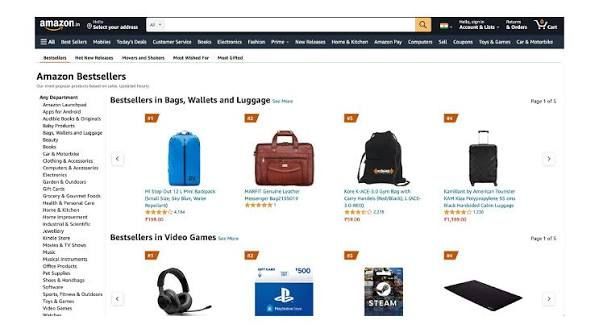
For creators, the platform provides a structured way to present handmade products while giving customers a dedicated destination for discovering handcrafted goods. Amazon states that approved Handmade makers can create a maker profile and list eligible products within the Handmade store.
Getting started involves more than simply creating a product listing. Makers need to understand eligibility, application requirements, product classification, listing information, fulfillment, customer policies, and account responsibilities.
1. What Is Amazon Handmade?
Amazon Handmade is a maker-focused section of Amazon where approved creators can list qualifying handcrafted products.
Amazon identifies several qualifying product types:
-
Handcrafted products
-
Hand-altered products
-
Hand-designed products
-
Repurposed products
-
Upcycled products
For example, a hand-carved wooden item can fall under handcrafted products, while an original art print can qualify as a hand-designed product. A pre-existing product modified with an original design can fall under hand-altered products.
2. Who Can Sell on Amazon Handmade?
Amazon Handmade accepts approved makers and certain collaborative organizations.
According to Amazon, eligible applicants can include:
-
Individual makers
-
Cooperatives
-
Nonprofits
-
Charities
-
Other qualifying collaborative groups
Applicants go through an application process intended to verify that products meet Handmade requirements.
3. Handmade Product Eligibility
Before applying, it is important to determine whether the product genuinely fits the Handmade model.
Handcrafted
Products made by hand from raw materials can qualify.
Examples include:
-
Hand-carved décor
-
Handmade pottery
-
Handcrafted wooden products
-
Handmade accessories
Hand-Altered
A commercially manufactured item that has been meaningfully modified can qualify.
Examples may include:
-
Decorated clothing
-
Customized mugs
-
Modified accessories
Hand-Designed
Products based on original creative designs can qualify.
Examples include:
-
Original artwork
-
Stationery
-
Art prints
-
Original illustrations
Repurposed
An existing item transformed into something with a different purpose can qualify.
Upcycled
Existing materials or products improved or transformed into a higher-quality or different product may qualify.
4. Amazon Handmade Categories
Amazon Handmade currently lists categories including:
-
Accessories
-
Artwork
-
Baby
-
Beauty & Personal Care
-
Clothing
-
Shoes & Handbags
-
Home
-
Outdoor & Home Care
-
Jewelry & Watches
-
Kitchen & Dining
-
Pet Supplies
-
Sporting Goods
-
Stationery & Party Supplies
-
Toys & Games
Amazon notes that products belonging to categories not listed for Handmade may not be eligible for placement in the Handmade store.
5. Create an Amazon Seller Account
The first step is to establish an Amazon selling account.
Amazon's registration process generally involves providing:
-
Business information
-
Seller information
-
Billing information
-
Store and product information
-
Identity verification
Amazon also states that an incorporated company is not necessarily required to create an Amazon selling account; individuals can select the applicable individual business type during registration.
6. Register as a Professional Seller
Amazon Handmade requires makers to use a Professional selling plan.
Amazon's current Handmade information states that approved Handmade sellers have the monthly Professional selling fee waived after the first month.
The application and account structure can change, so sellers should check Amazon's current official Handmade information before registration.
7. Apply to Amazon Handmade
After creating the appropriate seller account, the next step is the Handmade application.
The application asks for information about:
-
The maker
-
Products
-
Creative process
-
Handmade activities
-
Product categories
Applicants must confirm that they will comply with Handmade guidelines before submitting the application.
8. Handmade Application Review
Amazon uses an application and audit process to help ensure that products presented in Handmade meet its requirements.
This makes product authenticity an important part of the application.
Makers should be prepared to clearly explain:
-
What they create
-
How they create it
-
What materials they use
-
Which parts are handmade
-
How products are modified or designed
9. Product Classification
After approval, sellers need to classify qualifying products appropriately.
Amazon's Handmade classification options include:
-
Hand-altered
-
Hand-designed
-
Handcrafted
-
Repurposed
-
Upcycled
Correct classification helps ensure that the product is represented accurately within the Handmade marketplace.
10. Product IDs
Amazon uses product identifiers to organize products in its catalog.
Depending on the product, sellers may need a product ID or may be able to request a product-ID exemption.
Amazon identifies common product IDs such as:
The applicable identifier depends on the product and marketplace.
11. Creating a Handmade Product Listing
A strong product listing should clearly explain what the customer is looking at.
Important listing elements include:
-
Product title
-
Product description
-
Product images
-
Product attributes
-
Product variations
-
Search terms
-
Category
-
Dimensions
-
Materials
-
Customization information where applicable
Amazon recommends using relevant titles, search terms, and occasion types to improve product discoverability within Handmade.
12. Writing Product Titles
A product title should identify the item clearly.
Useful information can include:
Product Type + Main Material + Key Feature + Intended Use
Avoid unnecessary repetition or misleading claims.
A clear title helps both customers and Amazon's catalog systems understand the product.
13. Product Descriptions
A useful description can explain:
-
What the product is
-
How it was made
-
Materials
-
Dimensions
-
Color
-
Design details
-
Intended use
-
Care instructions
-
Customization options
-
Packaging information
For handmade products, explaining the creative process can also help communicate what makes the item distinctive.
14. Product Images
Images should accurately represent the actual product.
Useful image types can include:
-
Main product image
-
Different angles
-
Close-up details
-
Scale reference
-
Material details
-
Packaging
-
Product-in-use images
Images should not create a misleading impression about size, color, materials, or included components.
15. Product Variations
Some handmade products may have variations such as:
-
Color
-
Size
-
Pattern
-
Material
-
Configuration
-
Personalization
Variations should be described accurately and consistently.
16. Handmade Customization
Amazon Handmade supports customized and personalized products through Amazon Custom.
Customization can allow customers to specify certain product characteristics according to the options provided by the maker.
Amazon states that Custom products must be fulfilled by the seller and cannot be fulfilled through Fulfillment by Amazon (FBA).
17. Maker Profile
An important feature of Handmade is the maker profile.
Amazon allows approved makers to create a profile that can communicate:
-
Maker background
-
Creative inspiration
-
Production process
-
Product philosophy
-
Brand story
The profile gives customers additional context about the person or group behind the products.
18. Why the Maker Story Matters
Handmade products often have a creative story behind them.
A useful maker story can explain:
-
Why the products are created
-
How the craft developed
-
What inspires the designs
-
What materials are commonly used
-
What makes the creative process distinctive
The objective should be to provide genuine information rather than exaggerated promotional claims.
19. Search Terms
Search terms help connect customer searches with relevant product listings.
Relevant terms can describe:
-
Product type
-
Material
-
Design
-
Style
-
Occasion
-
Function
-
Color
-
Intended audience
Search terms should remain relevant to the actual product.
20. Product Materials
Material information is particularly important for handmade products.
Examples include:
-
Wood
-
Ceramic
-
Cotton
-
Leather
-
Glass
-
Metal
-
Paper
-
Natural fibers
-
Recycled materials
Descriptions should accurately reflect the materials used.
21. Product Dimensions
Dimensions help customers understand the physical scale of an item.
Useful measurements may include:
-
Length
-
Width
-
Height
-
Diameter
-
Weight
For products such as furniture, artwork, décor, and accessories, accurate dimensions can reduce customer confusion.
22. Product Care Information
Some handmade products require specific care.
Care instructions can explain:
-
Cleaning
-
Storage
-
Washing
-
Moisture protection
-
Heat exposure
-
Handling
-
Maintenance
Clear care information can help customers preserve the product properly.
23. Packaging Information
Packaging details can be useful for fragile or gift-oriented handmade products.
Relevant information may include:
-
Packaging type
-
Protective materials
-
Gift packaging
-
Included components
-
Assembly instructions
Descriptions should clearly identify what is included with the product.
24. Pricing Considerations
Pricing handmade products requires understanding the complete production structure.
Relevant factors can include:
-
Raw materials
-
Labor time
-
Packaging
-
Shipping
-
Platform fees
-
Returns
-
Customization
-
Operational expenses
The goal is to understand the complete economics of the product rather than focusing only on material expenses.
25. Amazon Handmade Referral Fees
Amazon's current Handmade page states that approved Handmade sellers pay a referral fee of 15% or $0.30 per unit shipped, whichever is greater. It also states that the monthly Professional selling fee is waived after the first month for approved Handmade sellers.
Fees can change, so sellers should verify current rates on Amazon before making financial decisions.
26. Fulfillment Options
Order fulfillment is another important part of selling handmade products.
Depending on the product and program, fulfillment may involve:
-
Seller-fulfilled orders
-
Fulfillment by Amazon where eligible
-
Custom-product fulfillment by the maker
Customized Amazon Handmade products have specific fulfillment requirements and must be fulfilled by the seller.
27. Seller-Fulfilled Orders
Seller fulfillment means the maker handles the order process.
This can include:
-
Preparing the product
-
Packaging
-
Shipping
-
Tracking
-
Customer communication
-
Returns
This model can provide greater control over customized or made-to-order products.
28. Made-to-Order Products
Some handmade products are produced only after an order is received.
Examples include:
-
Personalized artwork
-
Custom décor
-
Engraved products
-
Customized accessories
-
Made-to-measure products
Production timelines should be realistic and communicated clearly.
29. Shipping Preparation
Handmade products can have unusual shapes, materials, or fragility.
Before listing an item, consider:
-
Packaging strength
-
Product dimensions
-
Weight
-
Shipping labels
-
Protective materials
-
Handling requirements
Fragile products require particularly careful packaging design.
30. Order Management
A seller should have a clear process for:
-
Receiving the order
-
Confirming product requirements
-
Preparing or creating the item
-
Quality checking
-
Packaging
-
Shipping
-
Tracking
-
Handling customer questions
A consistent workflow can reduce errors.
31. Returns and Customer Expectations
Customers should be able to understand important product conditions before placing an order.
Relevant information can include:
-
Product dimensions
-
Materials
-
Processing time
-
Customization
-
Care requirements
-
Return conditions where applicable
Amazon's seller policies cover customer interactions, shipping, fulfillment, and other aspects of marketplace activity.
32. Amazon Seller Policies
Amazon's seller policies cover areas such as:
-
Product listings
-
Product compliance
-
Restricted products
-
Intellectual property
-
Shipping
-
Fulfillment
-
Customer interactions
-
Seller account performance
-
Advertising
Amazon warns that policy violations can result in actions such as account deactivation, loss of Featured Offer eligibility, or other restrictions.
33. Restricted Products
Not every product can automatically be listed.
Certain categories and products may:
-
Require approval
-
Have additional compliance requirements
-
Be restricted
-
Be prohibited
Amazon recommends checking applicable product restrictions before listing.
34. Product Safety
Handmade does not mean exempt from product-safety requirements.
Depending on the product, sellers may need to consider:
-
Material safety
-
Product labeling
-
Children's product requirements
-
Cosmetic regulations
-
Food-contact requirements
-
Electrical standards
-
Packaging requirements
Requirements vary by product and marketplace.
35. Intellectual Property
Makers should ensure that their designs and product content respect intellectual-property rights.
Potential issues include:
-
Copyright
-
Trademarks
-
Design rights
-
Unauthorized logos
-
Character designs
-
Protected artwork
Amazon specifically identifies intellectual-property compliance as an important area of seller policy.
36. Authenticity and Handmade Standards
The Handmade program is built around authentic handcrafted products.
Therefore, sellers should accurately represent:
-
Who makes the product
-
How it is produced
-
Whether it is modified
-
What materials are used
-
Whether external production is involved
Misrepresenting a manufactured item as handmade can create policy concerns.
37. Inventory Management
Handmade inventory can be more complicated than mass-produced inventory.
A maker may need to track:
-
Raw materials
-
Finished products
-
Work in progress
-
Custom orders
-
Product variations
-
Packaging supplies
Simple inventory records can help prevent overselling.
38. Managing Product Variations
If a product is available in multiple versions, sellers should maintain accurate information for each variation.
Track:
-
Available quantity
-
Material
-
Color
-
Size
-
Production time
-
Customization
-
Packaging
This is especially important for products produced in small batches.
39. Quality Control
A quality-control process can help maintain consistency.
Before shipping, review:
-
Finish
-
Dimensions
-
Color
-
Design
-
Structural integrity
-
Customization details
-
Packaging
For personalized products, verify spelling and customer-selected options carefully.
40. Customer Reviews
Customer reviews can provide useful information about:
-
Product quality
-
Accuracy of descriptions
-
Packaging
-
Shipping experience
-
Durability
-
Customer expectations
Reviews should be viewed as feedback that can help identify areas for improvement.
41. Building a Consistent Catalog
A strong Handmade catalog can have a recognizable design language.
Consistency can involve:
-
Photography
-
Product descriptions
-
Naming
-
Packaging
-
Design style
-
Maker profile
A coherent catalog makes it easier for customers to understand the creator's work.
42. Handmade Product Photography
Photography should show the product clearly.
Useful approaches include:
-
Neutral backgrounds
-
Close-up details
-
Multiple angles
-
Scale references
-
Texture photography
-
Lifestyle context where appropriate
The most important principle is accuracy.
43. International Selling
Amazon Handmade can support expansion into other countries where Handmade stores are available.
Amazon states that sellers need a selling account for each relevant region, while Handmade approval can extend from one region to another. A separate maker profile is created for each country, with descriptive content requiring translation where appropriate.
International selling also introduces additional considerations such as:
-
Taxes
-
Customs
-
Product compliance
-
Shipping
-
Returns
-
Currency
-
Local regulations
44. Selling from India to International Amazon Stores
Indian makers can explore Amazon's global-selling options for international marketplaces.
Amazon states that sellers expanding from India should review marketplace-specific requirements covering taxes, regulations, product compliance, safety, and listings.
The rules for the United States, India, Europe, and other marketplaces can differ.
45. Brand Registry
A handmade creator with an eligible brand may also consider Amazon Brand Registry.
Amazon describes Brand Registry as a free program providing additional brand-related benefits and protection tools. Enrollment generally requires a pending or registered trademark for the brand name or logo.
Brand Registry is separate from Handmade approval.
46. Handmade vs General Amazon Marketplace
Amazon Handmade and the broader Amazon marketplace serve different purposes.
Handmade
Focuses on qualifying handcrafted products and approved makers.
General Amazon Marketplace
Contains a much broader range of product categories and sellers.
A handmade creator should determine which marketplace structure best fits the actual product and applicable Amazon requirements.
47. Common Beginner Mistakes
Mistake 1: Listing Before Checking Eligibility
A product should first be checked against Handmade requirements.
Mistake 2: Using Vague Product Descriptions
Customers need clear information about materials, dimensions, and features.
Mistake 3: Misrepresenting Manufacturing
Handmade claims should accurately reflect the production process.
Mistake 4: Ignoring Product Compliance
Certain products have additional safety or regulatory requirements.
Mistake 5: Underestimating Fulfillment Time
Made-to-order products require realistic preparation timelines.
Mistake 6: Ignoring Intellectual Property
Using protected designs, logos, or characters without appropriate rights can create serious problems.
Mistake 7: Treating Every Marketplace the Same
Amazon requirements can vary by country and category.
48. Amazon Handmade Seller Workflow
A simple workflow is:
Create Account → Apply → Get Approved → Classify → List → Fulfill → Manage → Improve
Step 1: Create Account
Set up the required Amazon selling account.
Step 2: Apply
Submit the Handmade application.
Step 3: Get Approved
Complete Amazon's review process.
Step 4: Classify
Apply the appropriate Handmade classification.
Step 5: List
Create accurate product pages.
Step 6: Fulfill
Prepare, package, and ship orders according to applicable requirements.
Step 7: Manage
Monitor inventory, orders, customers, and account health.
Step 8: Improve
Use legitimate customer feedback and performance information to improve listings and processes.
49. Amazon Handmade Seller Checklist
50. FAQs
Can anyone sell on Amazon Handmade?
Amazon Handmade uses an application and approval process. Approved makers and qualifying collaborative organizations can participate.
What products qualify for Amazon Handmade?
Qualifying products can be handcrafted, hand-altered, hand-designed, repurposed, or upcycled, subject to Amazon's Handmade requirements and available categories.
Does Amazon Handmade require a Professional selling plan?
Yes. Amazon Handmade requires the Professional selling plan, and Amazon states that the monthly Professional selling fee is waived for approved Handmade sellers after the first month.
Can handmade products be personalized?
Yes. Amazon Handmade supports customization through Amazon Custom. However, Amazon states that Custom products must be fulfilled by the seller rather than through FBA.
Can Handmade sellers sell internationally?
Yes, Handmade is available in multiple countries. Amazon states that sellers need the appropriate selling account for each region and should review country-specific requirements.
What should a Handmade product listing include?
A useful listing should provide an accurate title, description, images, category, materials, dimensions, variations, relevant search terms, and other applicable product attributes.
Conclusion
Selling on Amazon Handmade begins with understanding one fundamental principle: the product must genuinely fit the Handmade marketplace and be represented accurately.
The overall process involves establishing a seller account, applying for Handmade approval, confirming product eligibility, classifying products correctly, creating informative listings, managing fulfillment, and following Amazon's marketplace policies.
For makers, a strong foundation is:
Eligible Product + Accurate Listing + Authentic Maker Story + Reliable Fulfillment + Policy Compliance
Amazon's requirements, categories, fees, and marketplace policies can change, so sellers should always verify the latest information through Amazon's official Seller Central and Handmade resources before making decisions.
Disclaimer
This article is provided solely for general informational and educational purposes. It does not endorse, recommend, rank, or promote Amazon, Amazon Handmade, any seller account, product, brand, marketplace strategy, or commercial opportunity. Amazon's eligibility requirements, policies, categories, fees, product restrictions, fulfillment rules, and marketplace features may change over time and can differ by country. Readers should verify current requirements through official Amazon resources and obtain appropriate professional advice regarding tax, legal, regulatory, intellectual-property, product-safety, and other applicable matters before starting marketplace activities.