Jump to a Chapter

How to Identify Authentic Nike Shoes: Product Verification, Quality Indicators, and Consumer Insights

How to Identify Authentic Nike Shoes: Product Verification, Quality Indicators, and Consumer Insights

The global footwear market includes a wide variety of products distributed through retailers, online marketplaces, brand stores, and third-party sellers. As consumer demand for popular footwear continues to grow, discussions surrounding product authenticity, quality verification, and consumer awareness have become increasingly important.

Authentic products are typically manufactured and distributed through authorized supply chains, while counterfeit products attempt to imitate original designs, branding, or packaging.

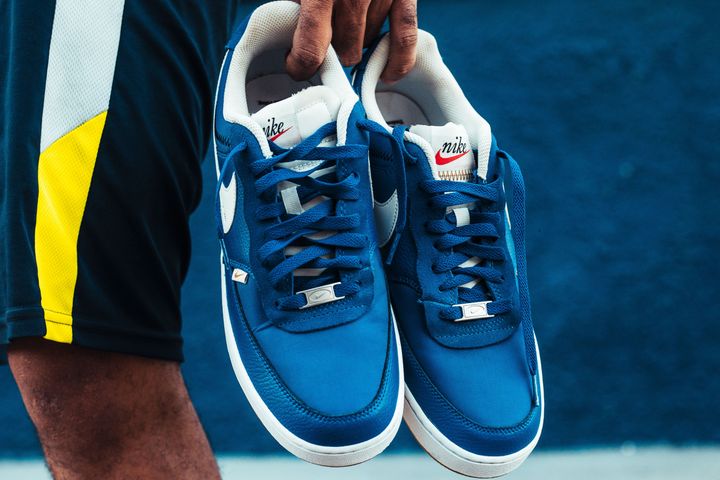
This article explores product verification concepts, quality indicators, and consumer awareness practices using Nike footwear as an educational example. It does not provide purchasing recommendations or authentication guarantees.

About Nike Footwear

Nike is a sportswear company involved in footwear, apparel, athletic equipment, and related products.

Nike footwear is available across multiple categories, including:

  • Running shoes
  • Basketball shoes
  • Lifestyle footwear
  • Training shoes
  • Sports-specific footwear
  • Casual sneaker collections

Like many globally recognized brands, Nike products are often discussed in conversations related to authenticity and counterfeit prevention.

Why Product Verification Matters

Consumers may seek product verification information for several reasons.

Common considerations include:

  • Product quality expectations
  • Brand authenticity concerns
  • Consumer confidence
  • Supply chain transparency
  • Warranty eligibility
  • Retail source verification

Verification processes can help consumers better understand product information and sourcing practices.

Understanding Authorized Distribution Channels

Many brands distribute products through authorized sales channels.

Examples may include:

  • Official brand stores
  • Authorized retailers
  • Brand-operated websites
  • Certified distribution partners
  • Approved marketplace programs

Distribution structures vary by region and business model.

Packaging Characteristics

Packaging is frequently discussed when evaluating product authenticity.

Common observations may include:

  • Box construction quality
  • Label consistency
  • Printing clarity
  • Product information placement
  • Packaging condition

Packaging characteristics alone should not be considered definitive proof of authenticity.

Product Labels and Identification Information

Many footwear products include identification details.

Examples may include:

  • Product codes
  • Size information
  • Manufacturing details
  • Barcode labels
  • Product descriptions

Consumers often compare available product information across multiple sources for consistency.

Material and Construction Quality

Footwear manufacturing involves multiple materials and production processes.

Common quality-related observations include:

  • Stitching consistency
  • Material finishing
  • Component alignment
  • Assembly precision
  • Manufacturing uniformity

Production methods may vary among product categories and manufacturing facilities.

Logo and Branding Elements

Branding elements are often examined during product verification discussions.

Examples include:

  • Logo placement
  • Typography consistency
  • Branding details
  • Design alignment
  • Product markings

Visual appearance alone may not be sufficient to determine authenticity.

Product Code Verification Concepts

Many footwear products include unique identification numbers or style codes.

Consumers sometimes use these identifiers to:

  • Compare product listings
  • Review manufacturer information
  • Verify product descriptions
  • Cross-reference available details

Verification methods may vary depending on available information and distribution channels.

Online Marketplace Considerations

E-commerce platforms have expanded access to footwear products worldwide.

When evaluating marketplace listings, consumers often consider:

  • Seller information
  • Product descriptions
  • Images provided
  • Return policies
  • Customer support availability
  • Platform protections

Marketplace structures differ across regions and providers.

Understanding Counterfeit Products

Counterfeit products generally attempt to imitate branded products without authorization.

Common industry discussions involve:

  • Intellectual property protection
  • Brand protection efforts
  • Consumer awareness initiatives
  • Supply chain monitoring
  • Product authentication technologies

Counterfeit activity affects numerous industries beyond footwear.

Digital Verification Technologies

Technology is increasingly being used to support product authentication efforts.

Examples include:

  • QR codes
  • Digital product records
  • Supply chain tracking systems
  • Product registration tools
  • Authentication platforms

The adoption of these technologies varies across industries and manufacturers.

Consumer Awareness and Research

Many consumers perform research before making purchasing decisions.

Examples of information sources include:

  • Official manufacturer resources
  • Retailer information
  • Product documentation
  • Customer support channels
  • Brand-operated platforms

Independent research can help consumers better understand available product information.

E-Commerce and Brand Protection Trends

The footwear industry continues investing in brand protection initiatives.

Examples include:

  • Digital authentication tools
  • Marketplace monitoring programs
  • Consumer education campaigns
  • Supply chain visibility technologies
  • Anti-counterfeiting systems

Technology continues influencing how companies address authenticity concerns.

Sustainability and Product Traceability

Many manufacturers are exploring traceability initiatives within broader sustainability efforts.

Examples include:

  • Material sourcing transparency
  • Product lifecycle tracking
  • Supply chain visibility
  • Manufacturing documentation systems

Traceability technologies continue evolving across multiple industries.

About Nike

Nike footwear products are developed and distributed by Nike.

The company is mentioned solely as an example within discussions of footwear authenticity and product verification. Its inclusion does not constitute an endorsement, recommendation, review, ranking, comparison, or purchasing suggestion.

Industry Trends in 2026

Several developments continue shaping product verification and consumer awareness practices.

Current trends include:

  • Digital authentication systems
  • QR-based verification tools
  • Supply chain transparency initiatives
  • Enhanced marketplace protections
  • Consumer education programs
  • Product traceability technologies
  • Brand protection innovations
  • Data-driven verification systems

These trends reflect broader developments within retail, e-commerce, and consumer goods industries.

Frequently Asked Questions

What does product authenticity mean?

Product authenticity generally refers to products manufactured and distributed through authorized channels associated with the brand owner.

Can packaging alone confirm authenticity?

Packaging characteristics may provide useful information, but they should not be considered definitive proof of authenticity on their own.

Why are product codes important?

Product codes can help identify and compare product information across various sources.

What are authorized retailers?

Authorized retailers are businesses that have permission to distribute products through approved channels.

How is technology helping product verification?

Technologies such as QR codes, digital records, and supply chain tracking systems are increasingly used to support authentication efforts.

Conclusion

Product authenticity remains an important topic within the global footwear industry. As e-commerce, digital marketplaces, and international distribution networks continue expanding, consumers increasingly rely on product information, verification methods, quality indicators, and brand protection technologies to better understand the products they encounter.

By learning about packaging characteristics, identification information, digital verification tools, and supply chain transparency concepts, consumers can gain valuable insight into the broader topic of product authenticity and consumer awareness.

Disclaimer

This article is intended solely for informational and educational purposes. It does not provide legal, commercial, retail, authentication, purchasing, consumer protection, financial, or professional advice. It does not endorse, recommend, compare, rank, review, verify, guarantee, or promote any footwear product, retailer, seller, marketplace, or brand. References to Nike are included only as an educational example within discussions of product authenticity and consumer awareness. Readers should consult official manufacturer resources, authorized retailers, and qualified professionals regarding specific product verification, purchasing decisions, consumer rights, and authenticity concerns.


author-image

Ravi Shankar Maurya

We create purposeful content that speaks, resonates, and drives action.

June 12, 2026 . 8 min read