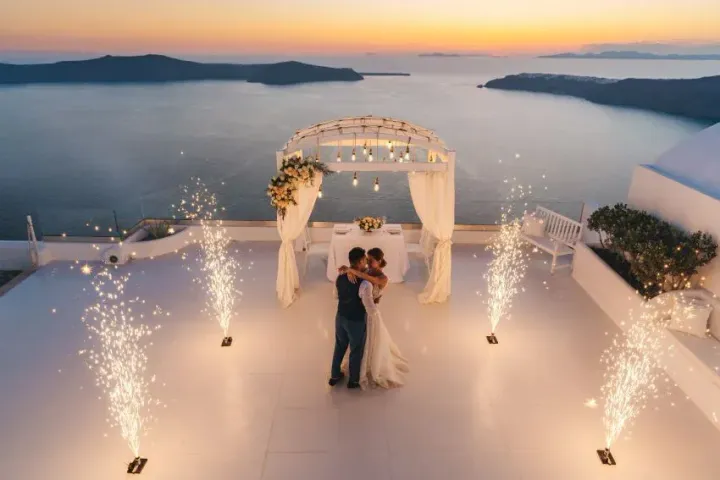
Destination Wedding Europe Explained: Planning, Venues, Destinations & Travel Insights
A destination wedding in Europe combines a wedding celebration with an international travel experience. Europe offers a wide variety of landscapes, architectural styles, cultural traditions, and event settings, making it a popular region for couples planning celebrations away from their home country.
A European destination wedding may take place in a historic castle, countryside estate, vineyard, coastal property, mountain setting, luxury hotel, private villa, or modern event space. The planning process can involve several countries, currencies, languages, travel arrangements, documentation requirements, and cultural considerations.
Understanding these elements can help couples create a realistic and organised wedding plan while giving guests enough information to prepare for international travel.
What Is a Destination Wedding in Europe?
A destination wedding is a wedding or wedding-related celebration held away from the couple's usual place of residence.
A European destination wedding can involve:
- The ceremony
- Reception
- Pre-wedding gatherings
- Guest accommodation
- Transportation
- Cultural activities
- Local sightseeing
- Post-wedding travel
The scale can range from an intimate gathering with close family to a larger multi-day celebration.
Why Consider Europe for a Destination Wedding?
Europe offers considerable geographic and cultural diversity within a relatively connected region.
Potential attractions include:
- Historic architecture
- Coastal scenery
- Mountain landscapes
- Countryside settings
- Vineyards
- European cultural traditions
- Seasonal variety
- Diverse cuisines
- International transportation connections
Each destination has its own climate, regulations, venue styles, and travel requirements, so destination selection should be based on the overall wedding plan rather than appearance alone.
Popular European Destination Wedding Regions
Europe contains many possible wedding destinations, each offering a different atmosphere.
Italy
Italy is associated with historic architecture, countryside landscapes, lakes, vineyards, coastal scenery, and traditional cuisine.
Wedding settings may include:
- Historic estates
- Villas
- Countryside properties
- Lakeside venues
- Coastal settings
- Boutique hotels
France
France offers a mixture of countryside, historic architecture, vineyards, coastal areas, and elegant urban settings.
Possible venue styles include:
- Châteaux
- Country estates
- Vineyards
- Hotels
- Gardens
- Historic buildings
Greece
Greece is known for Mediterranean landscapes, islands, coastal scenery, and warm-weather celebrations.
Potential settings include:
- Seaside venues
- Island properties
- Resorts
- Villas
- Outdoor terraces
Spain
Spain provides a combination of Mediterranean scenery, historic architecture, countryside properties, and vibrant cultural traditions.
Venue styles can include:
- Fincas
- Historic estates
- Coastal properties
- Hotels
- Countryside venues
Portugal
Portugal offers coastal landscapes, historic architecture, vineyards, and countryside environments.
It can be considered for:
- Ocean-view celebrations
- Vineyards
- Country estates
- Historic properties
- Resort-style events
Switzerland
Switzerland is known for mountain landscapes, lakes, alpine environments, and scenic settings.
It may appeal to couples interested in:
- Mountain weddings
- Lakeside celebrations
- Alpine venues
- Scenic outdoor photography
Choosing a Destination
Destination selection should begin with practical requirements rather than aesthetics alone.
Consider:
- Travel accessibility
- Weather
- Venue availability
- Guest travel time
- Accommodation options
- Local regulations
- Documentation
- Language
- Seasonal conditions
- Overall event format
A destination that looks ideal online may not necessarily be suitable for the guest list or event schedule.
Choosing the Wedding Season
Season has a major influence on a European wedding.
Spring
Spring can provide mild conditions and blooming landscapes in many regions.
Summer
Summer generally offers longer daylight hours and many outdoor possibilities, although some destinations can experience high temperatures and greater tourism activity.
Autumn
Autumn can provide cooler conditions and seasonal landscapes, particularly in countryside and vineyard regions.
Winter
Winter can create a distinctive atmosphere, especially for indoor celebrations and destinations associated with alpine scenery.
Weather patterns differ substantially between northern, southern, coastal, and inland Europe.
Venue Types for a European Destination Wedding
Historic Castles
Castles can provide distinctive architectural settings and historic surroundings.
Châteaux and Estates
Country estates can combine indoor spaces with gardens, courtyards, and outdoor reception areas.
Villas
Villas can be suitable for private gatherings and multi-day celebrations, subject to local rules and venue capacity.
Vineyards
Vineyard venues can combine countryside scenery with agricultural landscapes and food-focused experiences.
Coastal Venues
Mediterranean and Atlantic destinations can provide sea views and outdoor settings.
Mountain Venues
Mountain destinations can create scenic surroundings and may be suitable for seasonal celebrations.
Hotels and Resorts
Hotels can simplify accommodation and event logistics when guest rooms and event facilities are available in the same property.
Indoor vs Outdoor Weddings
Outdoor weddings can provide scenic surroundings but are more dependent on weather.
Important considerations include:
- Rain plans
- Shade
- Temperature
- Wind
- Lighting
- Guest accessibility
- Ground conditions
Indoor venues provide greater weather protection but may have different capacity, layout, and design limitations.
A practical destination wedding plan often includes a backup arrangement for weather-sensitive activities.
Legal Requirements
Legal requirements vary considerably between European countries.
Depending on the destination and nationality of the couple, requirements may involve:
- Identity documents
- Birth certificates
- Certificates of marital status
- Residency requirements
- Affidavits
- Translations
- Apostilles
- Official registrations
Some couples choose to complete the legal marriage process in their home country and hold a symbolic ceremony abroad. Others complete the legal ceremony at the destination.
Because requirements can change and differ by nationality, couples should confirm the current rules with the relevant government authorities or qualified local professionals.
Symbolic vs Legal Ceremonies
Legal Ceremony
A legal ceremony creates a marriage recognised under the applicable jurisdiction when all requirements are fulfilled.
Symbolic Ceremony
A symbolic ceremony focuses on the celebration and may not itself create a legally recognised marriage.
A symbolic approach can simplify some destination logistics, but the legal implications should be understood before planning.
Guest List Planning
A destination wedding often requires guests to travel internationally.
Before finalising the destination, consider:
- Number of guests
- Age ranges
- Mobility requirements
- Travel preferences
- Accommodation needs
- Visa requirements
- Available flight connections
- Expected trip duration
The destination should be practical for the people who are most important to the celebration.
Travel Planning for Guests
Guests may need information well in advance.
Useful details can include:
- Destination country
- Event dates
- Airport options
- Accommodation areas
- Transportation arrangements
- Visa information
- Weather expectations
- Dress guidance
- Local customs
- Emergency contact information
A simple guest information document can help reduce confusion.
Accommodation Planning
Accommodation is one of the most important logistical considerations.
Options may include:
- Hotels
- Resorts
- Guesthouses
- Villas
- Apartments
- Countryside properties
When comparing accommodation, consider distance from the event venue, transportation, accessibility, check-in requirements, and the needs of different guests.
Transportation
Transportation planning may involve:
- Airport transfers
- Venue transfers
- Local shuttle arrangements
- Private vehicles
- Public transportation
- Taxi or ride-hailing availability
For events involving multiple venues, transportation becomes especially important.
Destination Wedding Timeline
A general planning timeline can help organise the process.
12–18 Months Before
Focus on:
- Destination selection
- Guest list
- Wedding format
- Venue research
- Documentation research
9–12 Months Before
Consider:
- Venue confirmation
- Accommodation planning
- Travel information
- Event schedule
- Major suppliers
6–9 Months Before
Work on:
- Invitations
- Guest travel details
- Ceremony planning
- Menu concepts
- Event design
- Transportation planning
3–6 Months Before
Finalise:
- Guest confirmations
- Documentation
- Travel arrangements
- Event schedules
- Seating concepts
- Ceremony details
Final Months
Focus on:
- Final confirmations
- Guest communication
- Weather planning
- Transportation schedules
- Documentation checks
- Day-of coordination
Exact timelines depend on the destination, wedding size, and legal requirements.
Budget Planning Without Focusing on Specific Prices
Destination wedding planning involves multiple categories of expenditure.
Major categories can include:
- Travel
- Accommodation
- Venue
- Catering
- Photography
- Decorations
- Entertainment
- Transportation
- Attire
- Documentation
- Guest activities
Instead of focusing only on the venue, consider the complete destination experience.
Currency Considerations
European destinations do not all use the same currency.
The euro is widely used across many European countries, while several countries maintain their own national currencies.
When planning international events, consider:
- Currency conversion
- Payment methods
- Banking arrangements
- Foreign transaction policies
- Exchange-rate fluctuations
- Local payment requirements
Keeping financial records in a consistent planning currency can simplify overall budgeting.
Wedding Vendors and Local Coordination
Destination weddings often involve coordination with local professionals.
Potential categories include:
- Event coordination
- Photography
- Floral design
- Catering
- Entertainment
- Transportation
- Beauty and styling
- Decoration
- Technical production
Local knowledge can be useful because vendors understand regional practices, venue conditions, seasonal patterns, and local regulations.
Food and Catering
European destinations provide diverse culinary traditions.
Couples may consider:
- Local cuisine
- International menus
- Vegetarian options
- Vegan requirements
- Food allergies
- Religious dietary needs
- Children's meals
- Late-night refreshments
Menu planning should account for guest preferences as well as local food availability.
Cultural Traditions
A destination wedding may incorporate local traditions without replacing the couple's own cultural practices.
Possible elements include:
- Local music
- Traditional food
- Regional decorations
- Cultural ceremonies
- Local crafts
- Traditional attire
Cultural elements should be used respectfully and with an understanding of their meaning.
Language Considerations
Language can affect communication with venues, vendors, transportation providers, and local authorities.
Useful planning measures include:
- Written documentation
- Translated documents where legally required
- Multilingual guest information
- Clear event schedules
- Professional interpretation when necessary
Important legal documents should be translated according to the requirements of the relevant authority.
Weather Planning
European weather varies significantly by destination.
A coastal Mediterranean wedding may have very different conditions from a mountain celebration.
Weather planning should consider:
- Temperature
- Rain
- Wind
- Humidity
- Sunrise and sunset
- Seasonal daylight
- Local climate patterns
Outdoor events should always have an appropriate contingency plan.
Photography and Videography
European destinations provide a wide range of photographic environments.
Potential backgrounds include:
- Historic architecture
- Gardens
- Coastlines
- Mountains
- Lakes
- Vineyards
- Countryside
Photography planning should account for local rules, venue permissions, weather, lighting, and travel time between locations.
Sustainability Considerations
International weddings can involve significant travel and resource use.
More sustainable planning can consider:
- Local seasonal food
- Reduced single-use materials
- Digital guest information
- Reusable decorations
- Local transportation
- Efficient event logistics
- Responsible waste management
Sustainability does not require eliminating traditional wedding elements. Small planning decisions can reduce unnecessary environmental impact.
Technology in Destination Wedding Planning
Digital tools can simplify coordination.
Useful technologies include:
- Video meetings
- Online guest management
- Digital invitations
- Shared planning documents
- Mapping applications
- Translation tools
- Weather applications
- Travel-management platforms
Technology can be particularly useful when the couple lives far from the destination.
Travel Documents
International travel may require different documents depending on nationality and destination.
Potential requirements include:
- Passport
- Visa
- Travel insurance documentation
- Marriage-related paperwork
- Accommodation confirmation
- Transportation information
Travel-document requirements should always be checked through official government or embassy resources before travel.
Visa Planning
Visa requirements vary according to:
- Nationality
- Destination country
- Travel purpose
- Length of stay
- Transit countries
Guests should independently verify current entry requirements rather than relying solely on wedding communications.
Insurance Considerations
Travel and event-related insurance can provide protection against certain unexpected circumstances, depending on the policy.
Potential areas may include:
- Travel interruption
- Medical emergencies
- Lost baggage
- Event cancellation
- Venue-related risks
Coverage varies between policies, so terms and exclusions should be reviewed carefully.
Accessibility Planning
A destination should be suitable for guests with different mobility and accessibility requirements.
Consider:
- Airport transfers
- Venue entrances
- Elevators
- Accommodation access
- Bathroom facilities
- Walking distances
- Terrain
- Transportation
Accessibility planning should begin before the destination is finalised.
Common Destination Wedding Challenges
Long-Distance Coordination
Managing arrangements from another country can require careful communication.
Legal Complexity
Marriage documentation can vary substantially between jurisdictions.
Weather Uncertainty
Outdoor plans may be affected by unexpected conditions.
Guest Travel
International travel can create additional logistical requirements.
Language Barriers
Communication can become more difficult when multiple languages are involved.
Multiple Events
Welcome gatherings, ceremonies, receptions, and excursions increase coordination requirements.
How to Choose a European Wedding Destination
A simple evaluation framework can consider:
Accessibility + Climate + Venue + Legal Requirements + Guest Needs + Accommodation + Event Format
A destination should meet the practical requirements of the celebration as well as the couple's aesthetic preferences.
Frequently Asked Questions
Which European countries are popular for destination weddings?
Italy, France, Greece, Spain, Portugal, and Switzerland are among the European destinations commonly considered for different wedding styles and landscapes.
What is the best season for a destination wedding in Europe?
There is no single best season for every destination. Spring, summer, autumn, and winter can each work depending on the country's climate, venue type, and desired experience.
Can a destination wedding in Europe be legally recognised?
Yes, depending on the country, nationality of the couple, and completion of the required legal procedures. Requirements differ by jurisdiction and should be confirmed with the relevant authorities.
Is a symbolic ceremony different from a legal wedding?
Yes. A symbolic ceremony generally focuses on the celebration and does not itself create a legal marriage, while a legal ceremony follows the applicable marriage laws.
What should guests know before travelling to a destination wedding?
Guests should receive information about dates, destination, travel documents, visa requirements, accommodation, transportation, weather, event schedules, and relevant local customs.
Conclusion
A destination wedding in Europe can combine a meaningful celebration with an international travel experience. The region offers diverse destinations, from historic estates and countryside settings to coastal landscapes, vineyards, mountains, and modern hospitality venues.
Successful planning depends on more than selecting an attractive destination. Couples should consider legal requirements, guest travel, accommodation, transportation, weather, venue capacity, documentation, accessibility, cultural considerations, and contingency planning.
By approaching the wedding as both an event and a travel experience, couples can create a more organised celebration while helping guests prepare for the journey.
Disclaimer
This article is intended for general educational and informational purposes only. Destination wedding regulations, marriage requirements, visa rules, travel policies, venue conditions, and other requirements can change and may differ according to nationality and destination. Always verify current legal, immigration, travel, insurance, and venue requirements through relevant official authorities and qualified professionals. This content is not intended as legal, immigration, travel, financial, or professional advice and is not intended for brand-specific or promotional purposes.