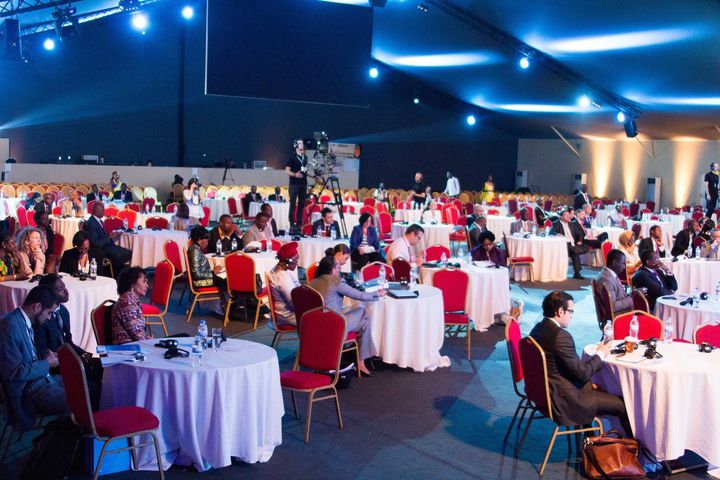
Successful corporate event planning requires many moving parts to work together. Venue, budget, technology, logistics, communication, scheduling, attendee experience, and contingency planning all influence the final outcome.
Whether the event is a conference, workshop, seminar, networking session, training program, product presentation, or internal gathering, a structured planning process can make the experience smoother and more organized.
1. What Is Corporate Event Planning?
Corporate event planning is the process of designing, organizing, coordinating, and managing an event for a business or professional organization.
Corporate events can include:
-
Conferences
-
Business meetings
-
Seminars
-
Workshops
-
Training programs
-
Networking events
-
Team gatherings
-
Industry presentations
-
Award ceremonies
-
Corporate celebrations
-
Professional exhibitions
Each event has different objectives, audiences, schedules, and operational requirements.
2. Start With the Event Objective
Every successful event begins with a clear purpose.
Ask:
-
Why is the event being organized?
-
Who should attend?
-
What should participants learn or experience?
-
What outcome should the event create?
-
How will success be measured?
Possible objectives include:
-
Knowledge sharing
-
Employee development
-
Professional networking
-
Team collaboration
-
Industry engagement
-
Business communication
-
Brand awareness
-
Relationship building
A clear objective acts like a compass. It helps guide every later decision.
3. Identify the Target Audience
Understanding attendees is essential for designing the right event.
Consider:
-
Number of participants
-
Professional backgrounds
-
Age groups
-
Geographic locations
-
Accessibility requirements
-
Knowledge levels
-
Language preferences
-
Expectations
An executive meeting and a large employee conference may require completely different environments.
4. Choose the Right Event Format
The event format should match its objective.
Conference
A conference generally combines presentations, discussions, networking, and educational sessions.
Workshop
A workshop emphasizes participation, activities, and practical learning.
Seminar
A seminar generally focuses on presentations and structured knowledge sharing.
Networking Event
Networking events prioritize interaction and relationship building.
Training Session
Training programs focus on developing specific knowledge or skills.
Hybrid Event
Hybrid events combine physical attendance with remote participation.
5. Venue Selection
Venue selection is one of the most important decisions in corporate event planning.
Consider:
-
Capacity
-
Accessibility
-
Meeting-room layouts
-
Technology
-
Internet connectivity
-
Parking
-
Accommodation
-
Catering
-
Restrooms
-
Safety
-
Privacy
-
Supporting spaces
The venue should match the event rather than forcing the event to adapt to an unsuitable environment.
6. Venue Capacity
Capacity should be based on the actual event setup.
A room may accommodate different numbers of people depending on whether the layout is:
-
Theatre
-
Classroom
-
Boardroom
-
U-shaped
-
Banquet
-
Cabaret
Also consider space for:
-
Speakers
-
Equipment
-
Registration
-
Walkways
-
Networking
-
Stage areas
-
Emergency access
Maximum capacity does not always equal comfortable capacity.
7. Location and Accessibility
A convenient location can make attendance easier.
Evaluate:
-
Transportation options
-
Road connectivity
-
Public transportation
-
Parking
-
Travel time
-
Accommodation availability
-
Accessibility requirements
For events involving participants from multiple locations, transportation planning becomes particularly important.
8. Corporate Event Budgeting
Budgeting provides financial structure for the entire event.
Major budget categories can include:
-
Venue
-
Catering
-
Technology
-
Transportation
-
Accommodation
-
Decorations
-
Equipment
-
Staffing
-
Communication
-
Entertainment
-
Photography or recording
-
Event materials
-
Contingency planning
The budget should be created before major commitments are made.
9. Build a Practical Budget
A simple budgeting framework can be:
Estimated Budget = Core Event Expenses + Supporting Expenses + Contingency
Core expenses are directly related to the event.
Supporting expenses can include transportation, communication, equipment, and staffing.
A contingency allocation can help manage unexpected changes.
The exact allocation depends on the event type and organizational requirements.
10. Prioritize Spending
Not every expense has the same importance.
Prioritize areas that directly affect:
-
Participant safety
-
Event objectives
-
Communication
-
Accessibility
-
Technology
-
Attendee comfort
-
Event reliability
Decorative elements may be less important than reliable audio equipment or sufficient seating.
11. Technology Planning
Technology has become central to modern corporate events.
Common requirements include:
-
Projectors
-
LED displays
-
Microphones
-
Speakers
-
Cameras
-
Video-conferencing systems
-
Presentation systems
-
Wi-Fi
-
Digital registration
-
Event applications
-
Interactive displays
Technology should support the event rather than distract from it.
12. Audio-Visual Equipment
Clear sound and strong visual communication can significantly improve an event.
Consider:
-
Microphone quantity
-
Speaker placement
-
Display visibility
-
Presentation connectivity
-
Lighting
-
Camera positioning
-
Recording requirements
Conducting a technical test before the event can identify problems early.
13. Hybrid and Virtual Participation
Hybrid events require additional planning because participants are joining through different channels.
Important considerations include:
-
Reliable internet
-
Cameras
-
Microphones
-
Speakers
-
Video platform
-
Remote participation support
-
Presentation sharing
-
Technical assistance
Remote attendees should receive the same essential information as physical participants.
14. Event Registration
Registration is often the first direct interaction attendees have with an event.
Registration systems can collect:
-
Name
-
Organization
-
Contact information
-
Attendance confirmation
-
Session preferences
-
Accessibility requirements
-
Dietary information
Digital registration can simplify attendance tracking and communication.
15. Event Scheduling
A clear schedule helps participants understand where they need to be and when.
A corporate event schedule may include:
-
Registration
-
Welcome session
-
Keynote
-
Presentations
-
Breaks
-
Workshops
-
Lunch
-
Networking
-
Panel discussions
-
Closing session
Avoid creating an unnecessarily crowded agenda. Participants need time to move, communicate, and recharge.
16. Speaker Management
Speakers can strongly influence the quality of a corporate event.
Planning should include:
-
Speaker selection
-
Presentation requirements
-
Session timing
-
Technical testing
-
Presentation formats
-
Arrival schedules
-
Introductions
-
Question-and-answer sessions
Speakers should receive clear instructions well before the event.
17. Attendee Experience
An event is successful when attendees can navigate it easily and participate comfortably.
Consider:
-
Registration experience
-
Signage
-
Seating
-
Temperature
-
Lighting
-
Food and refreshments
-
Networking opportunities
-
Session timing
-
Accessibility
-
Communication
Small details can have a large impact on overall experience.
18. Event Logistics
Logistics connect the individual pieces of an event.
Important areas include:
-
Transportation
-
Accommodation
-
Equipment movement
-
Registration
-
Seating
-
Catering
-
Staff coordination
-
Security
-
Deliveries
-
Signage
-
Schedule management
A detailed logistics plan reduces last-minute confusion.
19. Transportation Planning
Transportation may be necessary for large or complex events.
Consider:
-
Arrival times
-
Departure times
-
Participant groups
-
Vehicle capacity
-
Accessibility
-
Traffic conditions
-
Backup arrangements
Clear communication is essential when transportation is part of the event.
20. Accommodation Planning
For events involving traveling participants, accommodation can become part of the overall event strategy.
Consider:
-
Number of rooms
-
Check-in timing
-
Check-out timing
-
Accessibility
-
Transportation
-
Group coordination
-
Event schedule
Accommodation planning should align with the event timetable.
21. Catering and Refreshments
Food and beverage planning should reflect the event schedule and attendee requirements.
Possible arrangements include:
-
Breakfast
-
Coffee breaks
-
Lunch
-
Dinner
-
Snacks
-
Refreshments
-
Networking receptions
Consider:
-
Dietary requirements
-
Allergies
-
Timing
-
Serving capacity
-
Food labeling
-
Waste management
22. Event Branding and Communication
Consistent communication helps attendees understand the event.
Communication may include:
-
Invitations
-
Registration confirmations
-
Event schedules
-
Reminder messages
-
Digital signage
-
Session updates
-
Post-event communication
Branding elements can include:
-
Event identity
-
Presentation templates
-
Signage
-
Badges
-
Digital materials
Communication should remain clear and useful rather than overwhelming.
23. On-Site Event Management
Event-day management involves coordinating people, technology, schedules, and unexpected situations.
An event team may monitor:
-
Registration
-
Speaker arrivals
-
Session timing
-
Catering
-
Technology
-
Room changes
-
Attendee questions
-
Transportation
-
Safety
A clearly defined chain of responsibility can make decision-making faster.
24. Risk Management
Corporate events can face unexpected challenges.
Potential risks include:
-
Technical failures
-
Weather disruptions
-
Transportation delays
-
Speaker cancellations
-
Connectivity problems
-
Medical emergencies
-
Attendance changes
-
Schedule delays
Risk planning should identify possible problems and define appropriate responses in advance.
25. Contingency Planning
A backup plan can protect the event from unexpected disruptions.
Examples include:
-
Backup presentation devices
-
Additional microphones
-
Alternative internet connectivity
-
Substitute speakers
-
Flexible schedules
-
Emergency contacts
-
Alternative transportation
-
Backup meeting spaces
The goal is not to predict every problem but to reduce the impact of likely disruptions.
26. Event Security and Safety
Safety should be integrated into event planning from the beginning.
Consider:
-
Emergency exits
-
Fire-safety procedures
-
Crowd management
-
Security personnel
-
Emergency contacts
-
First-aid arrangements
-
Electrical safety
-
Clear evacuation routes
Large events may require additional security and crowd-management planning.
27. Sustainability in Corporate Events
Sustainable event planning can reduce unnecessary resource consumption.
Strategies may include:
-
Digital invitations
-
Electronic registration
-
Reduced paper use
-
Reusable signage
-
Waste separation
-
Energy-efficient equipment
-
Responsible catering
-
Efficient transportation planning
Sustainability should be considered across the entire event lifecycle.
28. Corporate Event Planning Timeline
Several Months Before
-
Define objectives
-
Estimate attendance
-
Establish budget
-
Select event format
-
Research venues
-
Identify speakers
Weeks Before
-
Confirm schedules
-
Finalize attendee information
-
Prepare presentations
-
Confirm catering
-
Test technology
-
Organize logistics
Days Before
-
Confirm attendance
-
Review event schedule
-
Check equipment
-
Prepare registration materials
-
Brief staff
-
Verify emergency procedures
Event Day
-
Monitor registration
-
Coordinate speakers
-
Track schedules
-
Manage technology
-
Support attendees
-
Resolve issues
After the Event
-
Collect feedback
-
Review attendance
-
Analyze objectives
-
Document lessons
-
Prepare reports
-
Follow up with participants
29. Measuring Event Success
Event performance should be measured against its original objectives.
Possible metrics include:
-
Attendance
-
Participation
-
Session engagement
-
Feedback scores
-
Networking activity
-
Completion rates
-
Content engagement
-
Technical performance
-
Schedule efficiency
Qualitative feedback can be just as valuable as numerical data.
30. Common Corporate Event Planning Mistakes
Starting Without Clear Objectives
Without a clear purpose, event decisions can become inconsistent.
Choosing a Venue Too Quickly
A venue should be evaluated against capacity, technology, accessibility, logistics, and event objectives.
Ignoring Technical Testing
Small technology issues can become major disruptions during live events.
Overloading the Schedule
Too many sessions can reduce attention and engagement.
Forgetting Accessibility
Accessibility should be incorporated into venue, transportation, communication, and event design.
Underestimating Contingencies
Unexpected changes are easier to manage when backup plans already exist.
Poor Communication
Attendees need timely and accurate information before and during the event.
31. Corporate Event Technology Trends
Modern event planning increasingly uses digital technologies such as:
-
AI-powered event tools
-
Digital registration
-
Event management platforms
-
Mobile event applications
-
Interactive displays
-
Virtual participation
-
Automated communication
-
Data analytics
-
Smart venue systems
Technology can help organizers understand attendee behavior and improve future events.
32. Simple Corporate Event Planning Framework
A memorable planning formula is:
Purpose → People → Place → Program → Production → Performance
Purpose
Define why the event exists.
People
Understand attendees, speakers, staff, and stakeholders.
Place
Select a venue that matches the event requirements.
Program
Build a useful and realistic schedule.
Production
Coordinate technology, logistics, catering, communication, and operations.
Performance
Measure the results and identify improvements.
33. Corporate Event Planning Checklist
34. FAQs
What is corporate event planning?
Corporate event planning is the process of organizing professional events by coordinating objectives, attendees, venues, budgets, technology, schedules, logistics, communication, and event operations.
What should be considered when selecting a corporate event venue?
Consider capacity, location, accessibility, seating layouts, technology, internet connectivity, catering, accommodation, safety, privacy, and supporting facilities.
How important is budgeting in corporate event planning?
Budgeting helps organizations prioritize resources, control expenses, plan major requirements, and prepare for unexpected changes.
What technology is commonly used for corporate events?
Common technologies include presentation systems, projectors, displays, microphones, speakers, cameras, video-conferencing platforms, digital registration tools, event applications, and analytics systems.
How can a corporate event be made successful?
Start with a clear objective, understand the audience, select an appropriate format and venue, plan logistics carefully, test technology, communicate effectively, prepare contingencies, and measure the results afterward.
Conclusion
Corporate event planning is a combination of strategy, organization, communication, technology, and attention to detail.
The strongest events do not happen by accident. They begin with a clear objective and build outward through the right audience, suitable venue, realistic budget, useful program, reliable technology, thoughtful logistics, and strong contingency planning.
A simple principle can guide the entire process:
Plan the purpose. Understand the people. Prepare the details. Expect the unexpected. Measure the outcome.
When these elements work together, corporate events can become more organized, engaging, memorable, and aligned with their intended goals.
Disclaimer
This article is provided solely for general informational and educational purposes. It does not endorse, recommend, rank, or promote any specific event venue, company, event organizer, product, platform, technology provider, or service. Event requirements, regulations, venue facilities, technology, availability, policies, and operational conditions may vary. Readers should independently verify current information and applicable legal, safety, accessibility, and organizational requirements before planning or conducting a corporate event.